Top 2025 Guide to Choosing the Best ABS Pipe for Your Projects
When it comes to plumbing and construction projects, the choice of materials can significantly impact both performance and longevity. Among the various piping options available, ABS (Acrylonitrile Butadiene Styrene) pipe has emerged as a preferred choice for many professionals in the industry. According to a report by the Flexible and Rigid Polyvinyl Chloride Market, the demand for ABS pipe is expected to grow steadily, driven by its excellent durability, impact resistance, and lightweight properties. This growth is reflective of an increasing trend towards using materials that offer not only efficiency but also sustainable solutions in various applications.
In recent years, the construction industry's focus on sustainability has made ABS pipe even more relevant. Industry analyses indicate that ABS pipe can be recycled, contributing to reduced environmental impact compared to other piping materials. Furthermore, with the enhanced capabilities of ABS in handling temperature variations and corrosive materials, it stands out as a versatile option that can meet diverse project requirements. As professionals gear up for upcoming projects, understanding the key factors to consider when selecting the best ABS pipe will be crucial for ensuring success and sustainability.
Understanding ABS Pipe: Properties and Advantages
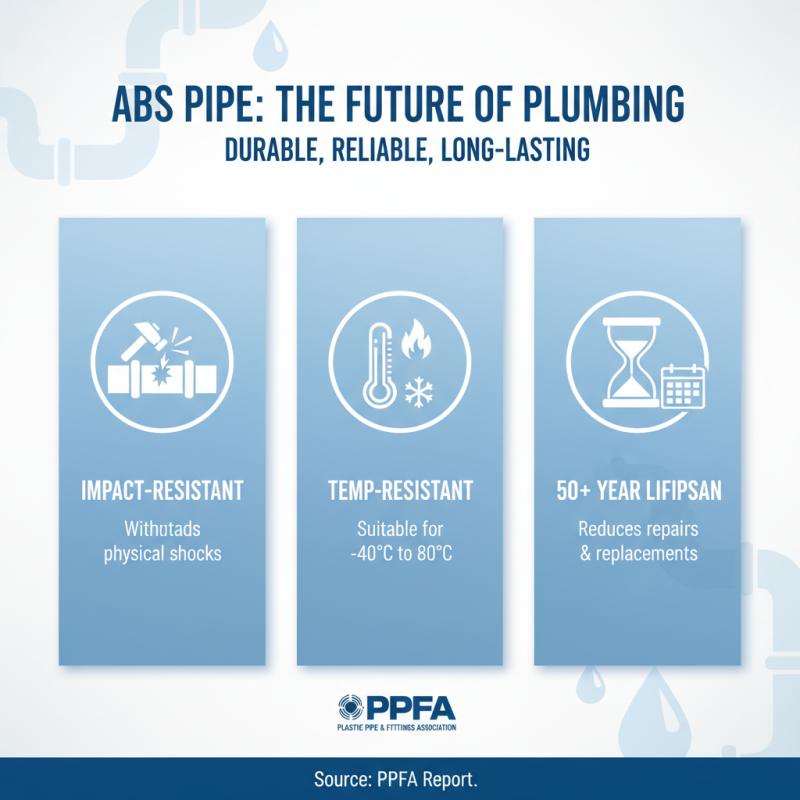
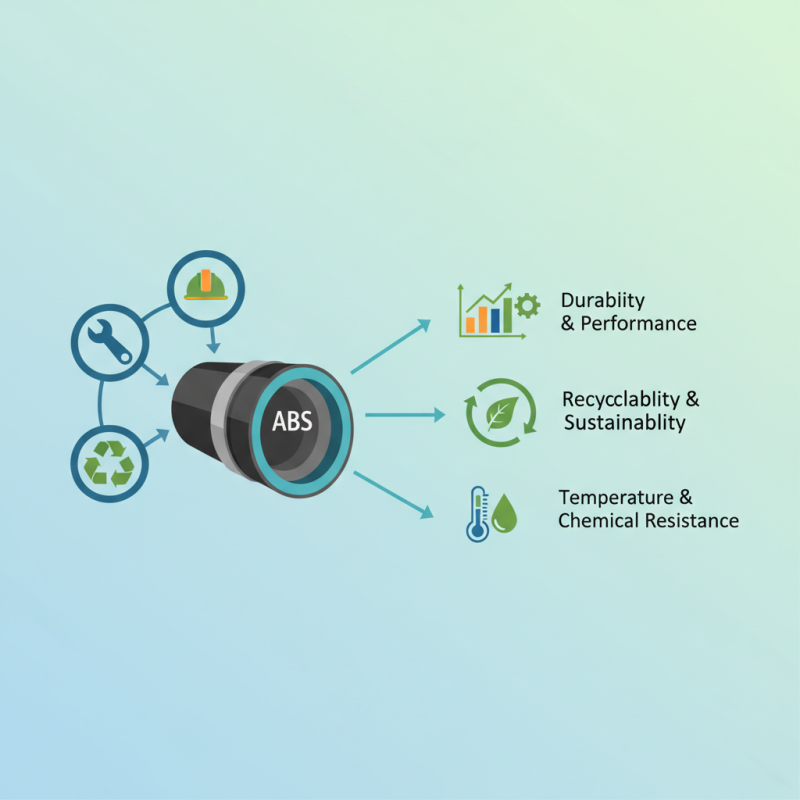
ABS (Acrylonitrile Butadiene Styrene) pipe is increasingly becoming the material of choice for various plumbing and drainage projects due to its remarkable properties. Known for its durability, ABS pipe is resistant to impact and can withstand extreme temperatures, making it suitable for both cold and hot water applications. According to a report by the Plastic Pipe and Fittings Association, ABS pipes can last over 50 years under appropriate conditions, significantly reducing the need for replacements and repairs over time.
The lightweight nature of ABS pipe offers additional advantages, particularly in ease of installation. Industry studies indicate that the installation process of ABS piping systems is approximately 30% faster than that of some alternative materials. This efficiency is further supported by its compatibility with solvent cement joining methods, which can lead to quicker project completion and reduced labor costs. Moreover, ABS pipe provides excellent resistance to a wide range of chemicals, making it ideal for use in both residential and industrial settings where exposure to harsh substances is common. This combination of durability, ease of handling, and chemical resistance positions ABS pipe as a versatile option for a variety of plumbing projects.
Types of ABS Pipe: Selection Guide for Various Applications
When selecting the best ABS pipe for your projects, it’s essential to understand the various types available and their specific applications. ABS (Acrylonitrile Butadiene Styrene) pipes are renowned for their durability, lightweight nature, and resistance to impact. They are primarily used in drainage, waste, and vent systems and can also serve in other plumbing and industrial applications.
One common type of ABS pipe is the standard drainage pipe, which is designed for efficient transport of wastewater. It comes in various diameters and can be easily joined using solvent cement. Another variant is the ABS DWV (Drain, Waste, and Vent) pipe, particularly suited for low-pressure drainage systems. When working on projects that may encounter high temperatures, consider using ABS pipe rated for heat resistance.
**Tips:** When choosing ABS pipe, be sure to assess the specific demands of your project. Always check compatibility with other materials and consider the pipe's pressure rating. Additionally, ensure that the ABS pipe meets local building codes and standards to guarantee safety and efficiency in installation. For projects that require flexibility, opt for ABS fittings that can accommodate various angles, making installation easier and more efficient.
Top 2025 Guide to Choosing the Best ABS Pipe for Your Projects
This chart illustrates the various types of ABS pipes and their applications, providing insight into the selection for specific projects.
Key Factors to Consider When Choosing ABS Pipe
When it comes to selecting the best ABS (Acrylonitrile Butadiene Styrene) pipe for your projects, several key factors should be taken into consideration to ensure optimal performance and durability. One of the primary factors is the pipe's intended use. ABS pipes are commonly used in drainage, waste, and vent applications due to their lightweight nature and resistance to corrosion. Understanding the specific requirements of your project will help you choose the right diameter, length, and type of pipe to meet your needs.
Another critical aspect is the pipe's schedule designation, which indicates its wall thickness and overall strength. Different schedules are suited for various pressures and applications, so it’s essential to assess the operational conditions where the ABS pipes will be installed. Additionally, consider the pipe's temperature tolerance and any environmental factors, such as exposure to ultraviolet light, as these can impact the longevity and performance of the pipes.
Tips: Always check local codes and regulations before purchasing ABS pipes, as specific requirements may apply in your area. When handling ABS pipes, ensure you use the appropriate cement and fittings to create secure joints. For larger projects, consult with a professional or conduct thorough research to avoid costly mistakes in material selection and installation.
Installation Best Practices for ABS Pipe Projects
When working with ABS (Acrylonitrile Butadiene Styrene) pipes, understanding the best installation practices is crucial for ensuring durability and efficiency in your plumbing projects. Before you start, it’s essential to prepare the installation site by clearing any debris and ensuring that the foundation is stable and level. Proper measurements and cutting of the ABS pipes are necessary; use a fine-toothed saw for clean edges and to minimize the risk of damage or misalignment during assembly.
Once the pipes are cut to the required lengths, it’s important to utilize the proper cement specifically designed for ABS connections. Apply the cement evenly around the pipe and fitting to create a secure bond. When joining pieces, twist the pipe slightly as you insert it into the fitting to ensure an even distribution of cement. This not only helps in achieving a watertight seal but also enhances the structural integrity of the connections. Additionally, allow adequate curing time as recommended by the cement manufacturer before testing the system under pressure. Taking these steps will help ensure a successful and lasting installation of ABS piping in your projects.
Top 2025 Guide to Choosing the Best ABS Pipe for Your Projects - Installation Best Practices for ABS Pipe Projects
| Pipe Diameter (inches) |
Standard Length (feet) |
Wall Thickness (inches) |
Typical Applications |
Installation Temperature Range (°F) |
| 1.5 |
10 |
0.047 |
Drainage, Waste, Vent (DWV) |
32 to 140 |
| 2 |
10 |
0.065 |
Drainage, Waste, Vent (DWV) |
32 to 140 |
| 3 |
10 |
0.090 |
Sewer and Drain Systems |
32 to 140 |
| 4 |
10 |
0.120 |
Ventilation Systems |
32 to 140 |
| 6 |
10 |
0.150 |
Industrial Waste Systems |
32 to 140 |
Maintaining and Troubleshooting Your ABS Pipe System
When working with ABS pipe systems, maintenance and troubleshooting are crucial to ensure optimal performance and longevity. Regular inspections can help identify potential issues like leaks, blockages, or cracks before they escalate into significant problems. It’s advisable to inspect joints and connections for any signs of wear or damage, and use a gentle cleaning method to clear out debris that could hinder flow.
Tips: To maintain your ABS pipe system effectively, periodically check for visible signs of wear and consider scheduling professional inspections every few years. Additionally, keep your system clear of any grease or foreign substances, as these can accumulate and lead to blockages over time.
If you encounter issues, troubleshooting can often be straightforward. Start by identifying whether the problem is due to a blockage, backflow, or a leak. For blockages, using a plumbing snake or hydro-jetting can clear out stubborn obstacles. In the case of leaks, ensure you have the proper fittings and connectors to make any necessary repairs.
Tips: Always get familiar with your ABS pipe layout to quickly locate any problem areas. Additionally, maintain a toolkit that includes repair materials suited for ABS repairs, allowing for swift remediation of common issues.