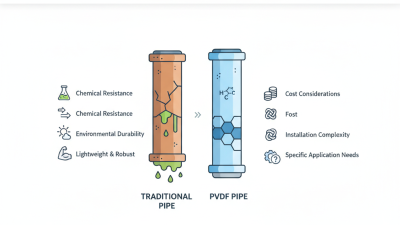
Choosing the right PVC pipe supplier in 2026 requires more than comparing prices on a spreadsheet. Global buyers need consistent dimensions, tested materials, dependable production, and clear technical documentation. This guide introduces 10 pvc pipe manufacturers that may suit construction, agriculture, drainage, plumbing, and industrial projects.
The selection considers manufacturing experience, product range, quality systems, export capability, and practical buyer support. Look for details such as pipe pressure ratings, wall thickness, resin quality, UV resistance, and connection methods. A reliable manufacturer should provide inspection records, applicable certifications, sample approval, and traceable batch information. Small details matter. A poorly marked pipe can create costly confusion at a busy job site.
Supplier performance also depends on communication and logistics. Buyers should confirm mold availability, minimum order quantities, packaging strength, loading plans, and realistic delivery schedules. Some manufacturers appear impressive online but respond slowly when drawings change. That is a warning sign. Still, no ranking can predict every project outcome. Market conditions, local standards, freight disruptions, and factory capacity may change during 2026. Buyers should verify current evidence before signing contracts, rather than trusting attractive claims alone.
The manufacturers discussed here are evaluated as potential partners, not guaranteed choices for every application. Their suitability depends on project specifications, destination requirements, budget, and required service life. Independent testing remains worthwhile for critical installations. Experience helps, but careful verification protects the final decision.
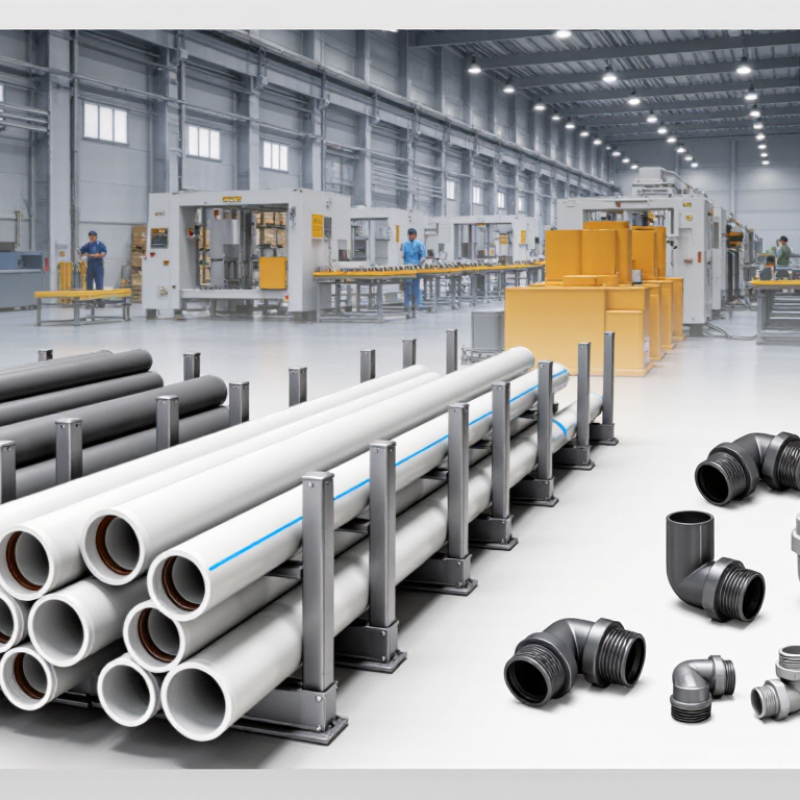
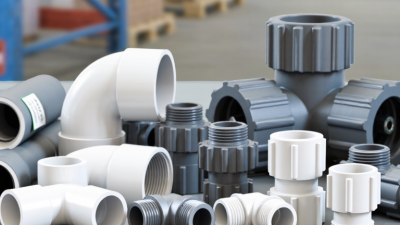
PVC pipe manufacturing serves water distribution, drainage, irrigation, and electrical protection markets. Common products include rigid pressure pipes, sewer pipes, conduit, fittings, and gasketed joint systems. Buyers should compare diameter, wall thickness, pressure class, SDR rating, and installation temperature before requesting quotations.
Reliable factories control resin formulation, extrusion speed, cooling, and dimensional accuracy. In practical inspections, small ovality errors can complicate joint assembly. Testing may include hydrostatic pressure, impact resistance, tensile strength, and ring stiffness. Standards such as ISO 1452, EN 1452, ASTM D1785, and ASTM D3034 address different applications. They are not interchangeable. A certificate alone can mislead.
Manufacturers for global buyers should provide traceable batch records, inspection reports, and clear product drawings. Packaging also matters. End caps, wooden supports, and moisture-resistant labels can prevent damage during long sea transport. Market demand is growing around municipal upgrades, rural water projects, and low-maintenance drainage systems. Yet price should not dominate the decision. Recycled content, local climate, soil movement, and available joining tools can change the real project cost. Some catalogues remain vague about these details. Ask difficult questions before production begins.
Choosing leading PVC pipe manufacturers in 2026 requires more than comparing prices. Buyers should examine resin quality, pressure ratings, wall thickness, and dimensional accuracy. Each batch should match declared standards and project specifications. Ask for recent test reports, not attractive brochures.
A reliable manufacturer can explain its extrusion process clearly. It should control temperature, cooling, socket forming, and material blending. Independent laboratory testing can verify hydrostatic strength, impact resistance, and chemical performance. For potable water projects, valid safety certifications and traceable production records are essential. Small details matter.
Production capacity also affects real project risk. Review mold availability, quality-control staffing, spare parts, and documented delivery performance. Factory audits can reveal storage problems, inconsistent labeling, or weak inspection routines. A polished website proves little. Samples should be checked for smooth surfaces, clean sockets, accurate lengths, and visible batch codes. Sustainability deserves careful review, too. Ask about recycled content, energy use, and responsible waste handling. Some claims remain vague. Buyers should challenge them with measurable data and updated certificates. A manufacturer may offer low pricing, yet poor consistency can create costly installation delays. A balanced assessment should consider technical evidence, communication speed, after-sales support, and long-term accountability.
The 2026 Top 10 PVC Pipe Manufacturers for Global Buyers should be assessed by more than production volume.
Buyers need verified pressure ratings, consistent wall thickness, and stable resin quality. Grand View Research estimates the global PVC pipes market will continue growing through 2030, supported by water infrastructure, irrigation, and construction demand.
Regional supply strength matters.
A practical top-ten review should examine factory capacity, extrusion control, laboratory testing, and export experience. ISO 9001 certification supports process consistency, but it does not guarantee every shipment. Independent testing against ASTM, EN, or local standards remains essential.
Buyers should request test reports, batch records, and samples before signing long-term contracts. Inspect the socket carefully.
Logistics also separates strong manufacturers from average suppliers. Packaging must protect pipe ends during container handling, especially in humid ports and hot warehouses.
The World Bank reports that billions of people still lack safely managed water services, keeping infrastructure investment active. However, demand forecasts differ across research firms.
That uncertainty deserves attention.
A reliable supplier should explain lead times, mold maintenance, warranty limits, and resin sourcing clearly. Lower prices can hide weaker impact resistance, higher rejection rates, or costly replacement delays.
Choosing among the top 10 PVC pipe manufacturers requires more than comparing annual output. Manufacturing capacity should be measured through extrusion lines, mold availability, resin storage, and realistic monthly production. A large facility is not automatically dependable. Buyers should request recent capacity data, batch records, and samples from current production.
Certifications reveal how seriously a manufacturer controls quality. Look for ISO 9001 systems, documented material testing, and product approvals accepted in the destination market. Depending on the application, standards may include ASTM, EN, NSF, or other regional requirements. Check each certificate’s scope and expiry date. Some documents cover the factory, not every pipe series. That detail is easy to miss.
Export reach also matters. Experienced suppliers can provide accurate packing lists, container-loading plans, customs documents, and stable lead times. Ask how pipes are protected from sunlight, impact, and deformation during a long ocean shipment. A supplier serving several regions may understand local labeling and pressure-class expectations better. Still, export volume alone proves little. A factory may ship widely yet respond slowly when specifications change. No ranking is flawless. Buyers should compare inspection reports, complaint handling, payment terms, and replacement policies before signing. A small trial order can expose weaknesses that impressive brochures hide. Sometimes, that is the most useful evidence.
Choosing a PVC pipe supplier requires more than comparing factory prices. Global demand is expanding. Grand View Research’s 2024 assessment values the global PVC pipes market at over USD 25 billion and projects continued growth through 2030. This growth attracts capable manufacturers and inconsistent ones. Buyers should verify production experience, export records, and application knowledge before requesting a quotation.
Ask for current test reports, not only product brochures. Relevant evidence may include compliance with ASTM D1785, ASTM D2241, or ISO 1452, depending on the project. Confirm pressure ratings, wall thickness, impact resistance, and dimensional tolerances. SGS and Intertek inspection records can support reliability, but independent sampling remains useful. A supplier should explain its resin source, stabilizer system, extrusion controls, and batch-traceability process. Vague answers deserve caution.
Tips: Compare at least three suppliers using the same specification sheet. Request samples from different production lots. Check whether packaging protects pipe ends during humid sea transport. Review lead times against real production capacity, not promises. The World Bank’s Logistics Performance Index shows that international delivery reliability varies widely across markets. A low quote can still become expensive after delays, rejected testing, or damaged cargo. No checklist is perfect. Buyers should record every decision and revisit weak assumptions before signing a long-term agreement.
Anonymous supplier evaluation matrix based on product capability, international standards, export readiness, quality control and commercial terms
| Rank | Anonymous Supplier Profile | Primary Export Region | Main PVC Pipe Applications | Common Standards Supported | Typical Diameter Range | Pressure Classes | Quality Certifications | Typical Lead Time | Indicative MOQ | Screening Score |
|---|---|---|---|---|---|---|---|---|---|---|
| 1 | Profile A — High-volume integrated producer | Asia-Pacific, Middle East, Africa | Potable water, irrigation, drainage and conduit systems | ISO 1452, EN 1452, ASTM D1785, ASTM D2241 | 20–630 mm | PN 6–PN 25 | ISO 9001; third-party product testing available | 20–35 days | 1–2 containers | 94/100 |
| 2 | Profile B — International infrastructure specialist | Europe, Central Asia, North Africa | Municipal water, sewerage and industrial pipelines | EN 1452, ISO 1452, EN 1401, ISO 4435 | 16–500 mm | PN 6–PN 20 | ISO 9001; ISO 14001; batch traceability | 25–45 days | 1 container | 92/100 |
| 3 | Profile C — North American specification supplier | North America, Latin America | Pressure water, well casing, electrical and utility conduit | ASTM D1785, ASTM D2241, ASTM F441, CSA B137.3 | 15–400 mm | Schedule 40–80; SDR 13.5–41 | ISO 9001; NSF/ANSI 61 or equivalent approval where applicable | 30–50 days | 1–3 containers | 90/100 |
| 4 | Profile D — Custom-compounding manufacturer | Asia-Pacific, Southeast Asia | Agricultural irrigation, chemical drainage and industrial use | ISO 1452, ASTM D2241, AS/NZS 1477 | 20–630 mm | PN 5–PN 16 | ISO 9001; in-house formulation and laboratory testing | 25–40 days | 500–1,000 m | 88/100 |
| 5 | Profile E — Large-diameter drainage producer | Europe, Middle East, Africa | Non-pressure sewerage, stormwater and underground drainage | EN 1401, ISO 4435, EN 13476 | 110–1,000 mm | SN 2–SN 16 | ISO 9001; ISO 14001; factory production control | 30–55 days | 1 container or project order | 87/100 |
| 6 | Profile F — Municipal water project supplier | East Asia, South Asia, Africa | Potable water transmission and distribution networks | ISO 1452, GB/T 10002.1, ASTM D2241 | 20–800 mm | PN 6–PN 25 | ISO 9001; potable-water compliance documentation by market | 35–60 days | Project-based | 85/100 |
| 7 | Profile G — Conduit and electrical protection specialist | Asia-Pacific, Latin America | Electrical conduit, telecommunications and cable protection | IEC 61386, ASTM D1785, EN 61386 | 16–200 mm | Light, medium and heavy-duty conduit | ISO 9001; electrical performance test reports | 20–35 days | 500–1,000 m | 83/100 |
| 8 | Profile H — Flexible irrigation and agricultural supplier | South Asia, Southeast Asia, Africa | Farm irrigation, greenhouse systems and rural water supply | ISO 1452, ASTM D2241, AS/NZS 1477 | 20–315 mm | PN 4–PN 16 | ISO 9001; pressure and dimensional inspection | 20–40 days | 300–800 m | 80/100 |
| 9 | Profile I — Private-label and small-batch exporter | Asia-Pacific, Middle East, Latin America | General plumbing, drainage, irrigation and distributor programs | ISO 1452, ASTM D1785, ASTM D2241 | 20–250 mm | PN 5–PN 16; Schedule 40 | ISO 9001 or documented internal quality system | 20–40 days | 200–500 m | 77/100 |
| 10 | Profile J — Regional cost-focused manufacturer | Domestic and neighboring markets | Low-pressure water, drainage and general construction | Relevant national standard; selected ISO or ASTM products | 20–315 mm | PN 4–PN 10 | Basic factory inspection; certification depends on product line | 15–30 days | 200–500 m | 72/100 |

Sign up for our mailing list to stay informed and up to date with our latest news and products!
(905) 832 – 0600
2175-A Teston Road
Maple, Ontario
L6A 1T3
(780) 451 – 0238
24790 – 117 Avenue
Acheson, Alberta
T7X 6C2
(604) 882 – 1564
9511 – 194A Street
Surrey, British Columbia
V4N 4G4
(306) 955 – 6005
3926 Arthur Rose Avenue Saskatoon, Saskatchewan
S7P 0C9
(450) 687 – 2721
2750 Rue Bernard-Lefebvre
Laval, Quebec
H7C 0A5