Top Benefits of Using PVC Pipe for Global Procurement Needs?
In today's global market, the choice of materials significantly impacts procurement efficiency and costs. PVC pipe has emerged as a leading option due to its numerous benefits. This durable plastic is not only lightweight, but it also resists corrosion, making it ideal for various applications. Companies seeking reliable supply chains find PVC pipe appealing for both commercial and residential projects.
With its versatile properties, PVC pipe serves multiple industries, including construction, agriculture, and plumbing. The ease of installation adds to its appeal, reducing labor costs and project timelines. However, while embracing PVC pipe, stakeholders should consider sourcing practices and environmental impacts.
Balancing efficiency and sustainability raises questions. Is it time to rethink the materials we choose for procurement? As we delve further into the advantages of PVC pipe, we must reflect on how these choices shape our industries and the environment.
Advantages of PVC Pipe in Global Supply Chains
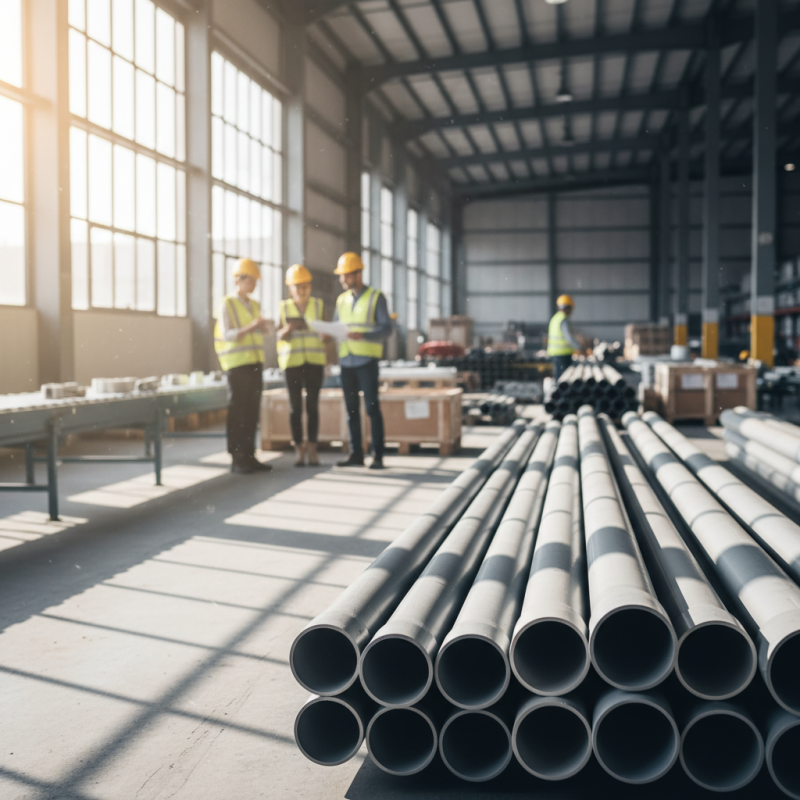
PVC pipes offer numerous advantages in global supply chains. They are lightweight and easy to transport, reducing shipping costs significantly. Their durability ensures they can withstand various environmental conditions. This reliability makes them a preferred choice for logistics.
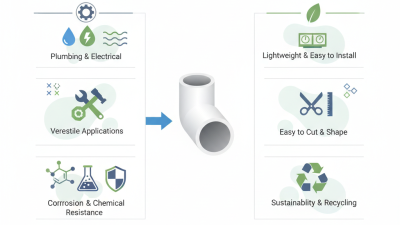
Another notable benefit is their resistance to corrosion and chemicals. This feature allows PVC pipes to perform well in diverse applications. They can be used in construction, agriculture, and plumbing. The versatility of PVC pipes supports various industries worldwide. Nonetheless, challenges remain in recycling and sustainability aspects.
Using PVC pipes can streamline procurement processes. Their availability across many suppliers aids in sourcing flexibility. However, companies must consider their environmental impact carefully. Balancing efficiency with eco-friendliness requires ongoing evaluation. In summary, PVC pipes present clear benefits, yet mindful practices are essential for long-term success.
Cost-Effectiveness of PVC Pipe for Procurement
PVC pipe has emerged as a popular choice in global procurement due to its cost-effectiveness. This type of pipe is lightweight, making shipping and handling more economical. Its durability reduces the frequency of replacements. Over time, this translates into significant savings for businesses.
Additionally, the manufacturing process of PVC pipe is both efficient and resource-conscious. Production requires less energy compared to other materials. This efficiency can lower market prices, making PVC pipe an attractive option for procurement.
However, it's important to consider not only the initial costs but also the long-term implications. While PVC pipes can be budget-friendly, improper installation can lead to issues. These potential challenges require attention in order to maximize the benefits. Companies should weigh these factors carefully when choosing PVC for their procurement needs.
Durability and Longevity of PVC Pipe Compared to Alternatives
PVC pipes have gained popularity due to their impressive durability and longevity. Unlike metal or concrete pipes, PVC does not corrode or rust over time. This characteristic is crucial in various applications, from plumbing to construction.
The resistance to chemicals and weathering makes PVC well-suited for diverse environments. In extreme conditions, such as high moisture or exposure to harsh chemicals, PVC remains a reliable choice.
Another notable feature of PVC is its lightweight nature, which facilitates easier handling and installation. Contractors appreciate this benefit, as it reduces labor costs.
However, it is worth reflecting on the drawbacks of PVC. The material can become brittle in extremely low temperatures, leading to potential breakage. Moreover, its long-term environmental impact raises concerns about sustainability.
While PVC remains a robust option, considering its lifecycle is essential for environmentally conscious projects. Understanding the balance between durability and potential shortcomings is vital.
PVC pipes can last for decades, making them a cost-effective solution in the long run. Yet, acknowledging the limitations can influence procurement decisions. Each project requires careful evaluation of material choices to ensure long-lasting success.
Environmental Impact and Sustainability of PVC Pipe Usage
PVC pipes are gaining attention for their environmental impact. They offer a sustainable alternative to traditional materials. According to the Plastic Pipe and Fittings Association (PPFA), PVC pipes can last over 100 years when properly installed. Their longevity reduces the need for frequent replacements. This longevity mitigates waste and lowers overall environmental footprints.
PVC production has evolved, with a focus on reducing emissions. A 2020 report by the European Council of Vinyl Manufacturers (ECVM) noted that PVC manufacturers have cut greenhouse gas emissions by 30% in the last decade. Usage of recycled content in PVC pipes has also increased, reaching nearly 28% in some regions. This not only lowers the demand for virgin materials but also conserves natural resources.
Despite these advantages, challenges remain. The production of PVC still involves concerns over toxic substances. Chemicals used in the manufacturing process need careful management. The industry is actively seeking solutions to these issues. Ongoing research will be crucial as the demand for sustainable building materials grows. Ensuring transparency in manufacturing and disposal processes is key for enhancing PVC's eco-profile.
Top Benefits of Using PVC Pipe for Global Procurement Needs
| Benefit |
Description |
Environmental Impact |
Sustainability Factor |
| Durability |
PVC pipes are resistant to corrosion, chemical damage, and extreme weather conditions. |
Long lifespan reduces the need for replacements, minimizing waste. |
Recyclable and can be reused, promoting a circular economy. |
| Cost-Effectiveness |
Lower material and installation costs compared to traditional piping systems. |
Reduces financial costs of frequent replacements and repairs. |
Saves resources through efficient manufacturing processes. |
| Lightweight |
Easy to handle and transport, reducing energy consumption during logistics. |
Lower carbon footprint during transport due to reduced weight. |
Less energy required for transportation contributes to sustainability. |
| Versatility |
Can be used in various applications including water supply, sewage, and gas lines. |
Reduces the need for multiple materials, consolidating supply chains. |
Adapts to different environments, reducing resource extraction for multiple systems. |
| Health and Safety |
Non-toxic and does not leach harmful chemicals into water or soil. |
Promotes safe drinking water supplies and environmental protection. |
Sustainable usage supports public health initiatives. |
Diversity of Applications for PVC Pipe in Various Industries
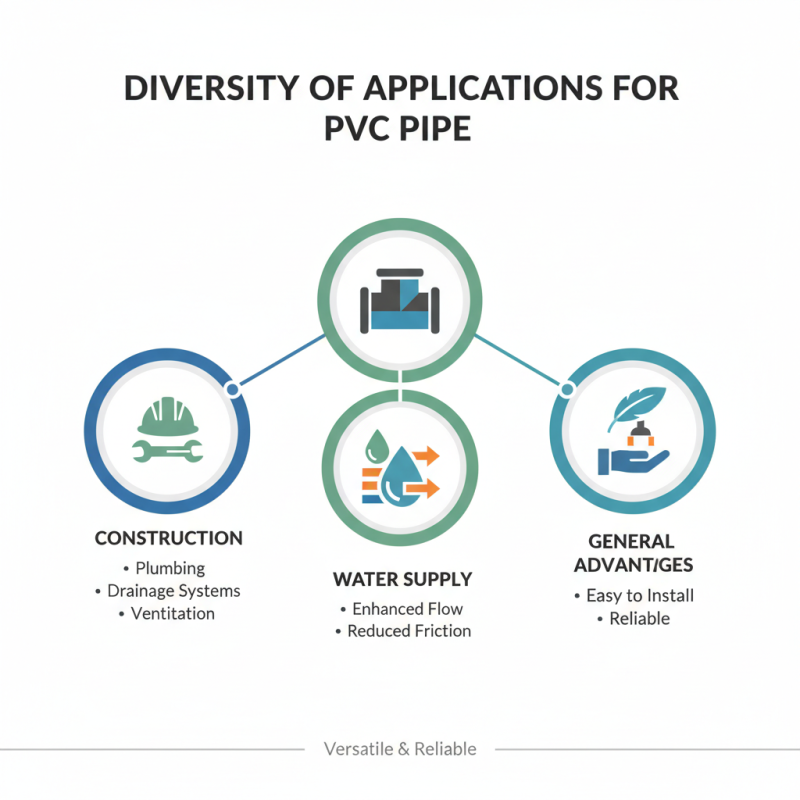
PVC pipes are becoming increasingly vital across various industries due to their versatility and reliability. In the construction sector, they are used for plumbing, drainage systems, and ventilation. Their lightweight nature makes them easier to handle and install compared to traditional materials. The smooth interior of PVC reduces friction, enhancing flow rates in water supply applications.
Meanwhile, the agricultural sector utilizes PVC pipes for irrigation systems. Durable and resistant to chemicals, they maintain their integrity over time, ensuring crops receive necessary water. Additionally, in the electrical industry, PVC pipes provide excellent insulation for wiring. Their non-conductive properties help in safeguarding electrical lines against environmental factors.
Despite their advantages, there are concerns about PVC production and disposal. While effective, the environmental impact requires careful consideration. Using recycled PVC can mitigate some of these issues, encouraging sustainable practices. Thus, while PVC pipes offer diverse applications, it’s essential to reflect on their lifecycle and potential alternatives for a greener future.