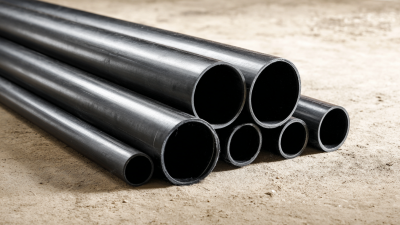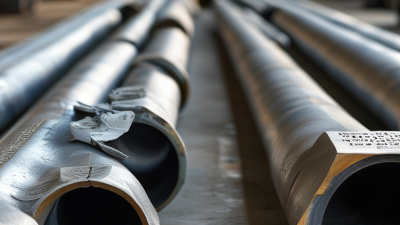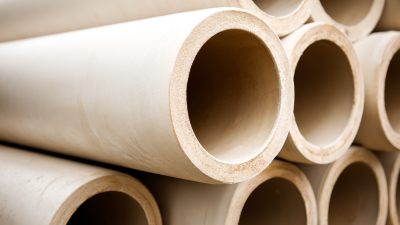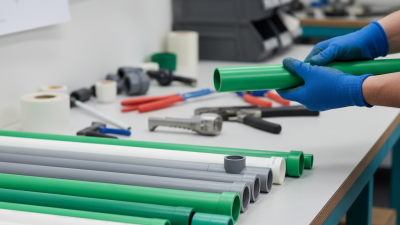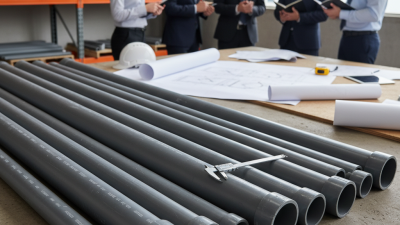
Choosing the best plastic water pipe is not simply a matter of picking the newest material. The right choice depends on water temperature, pressure, soil conditions, installation method, and local plumbing requirements. A pipe buried beneath a garden may face different stresses than one serving a high-rise apartment. Small details matter, including fittings, joints, support spacing, and exposure to sunlight.
Tony Radoszewski, former president and chief executive officer of the Plastics Pipe Institute, offers a practical industry perspective: “The best piping material is the one that provides the best overall value for the application.” That principle deserves attention. “No universal winner exists.” A reliable comparison should examine PEX, CPVC, PVC, and HDPE across durability, flexibility, chemical resistance, flow performance, and repair needs. PEX may bend around tight corners and reduce connection points. CPVC can suit hot and cold potable water systems when temperature limits are respected. PVC is widely used for cold-water distribution, while HDPE performs well in long underground runs.
Experience also reveals an uncomfortable truth: installation quality can outweigh product reputation. A poorly supported pipe may sag, stress fittings, or create noisy water hammer. Excessive heat can weaken some materials. Improperly prepared joints can leak slowly behind walls. This introduction will compare each option through practical evidence, manufacturer guidance, recognized standards, and real installation conditions. It will also acknowledge uncertainty, because the cheapest pipe today may create higher maintenance costs tomorrow.
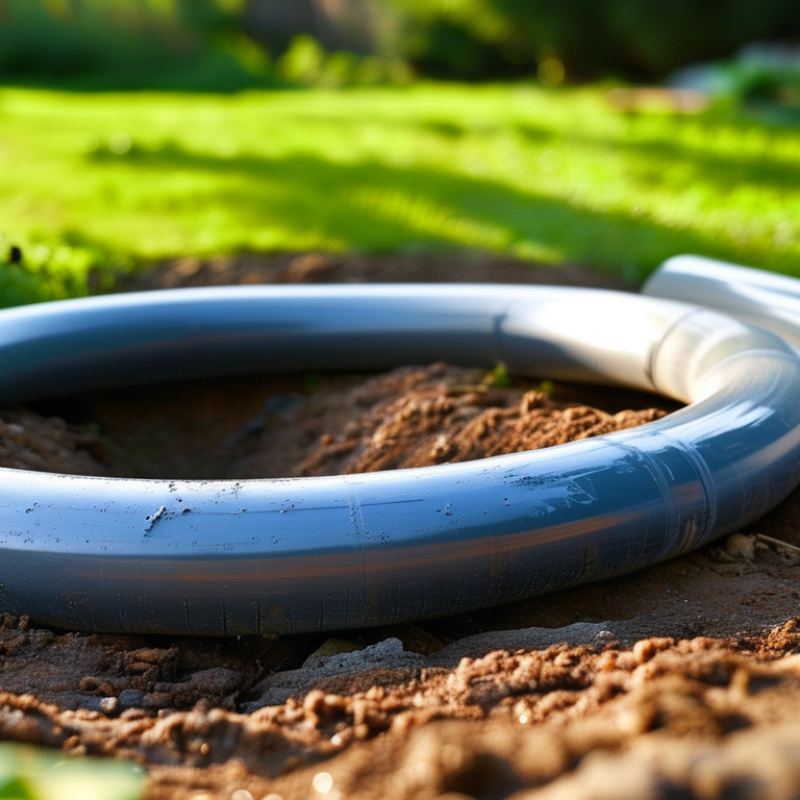
Plastic water pipes differ in flexibility, heat resistance, joining methods, and suitable applications. Choosing one depends on water temperature, pressure, soil conditions, and local plumbing codes. PVC is rigid, lightweight, and resistant to corrosion. It commonly serves cold-water supply lines, irrigation systems, and underground service pipes. Its smooth interior helps maintain steady flow, but it can crack under severe impact or freezing conditions.
CPVC handles hotter water than standard PVC and is often used for indoor hot- and cold-water distribution. However, installers must allow for thermal expansion and protect exposed sections from strong sunlight. PEX is flexible and easy to route through walls, reducing the number of joints behind a sink or shower. It works well for residential supply lines, yet sharp bends, abrasion, and prolonged ultraviolet exposure still require attention. I once assumed flexibility solved every installation problem. It did not.
HDPE is tough and flexible, making it useful for buried service lines, rural water connections, and difficult ground conditions. Heat-fused joints can create a continuous pipeline, but the equipment and workmanship must be reliable. PP-R is another option for hot and cold potable-water systems, especially where durable heat-welded connections are preferred. Pipe markings, pressure ratings, temperature limits, and certification for drinking water should be checked before installation. A pipe may look suitable. That proves very little. A qualified installer should also inspect support spacing, joint quality, and local code requirements.
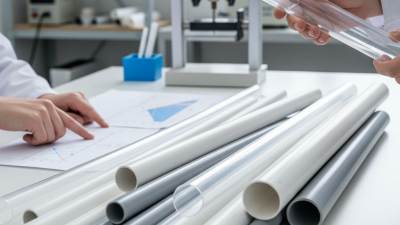
Choosing plastic water pipe depends on water temperature, pressure, installation conditions, and local building requirements. No single material performs best everywhere. A pipe carrying cold drinking water may face less stress than one serving a boiler or outdoor line.
PVC is lightweight, affordable, and practical for many cold-water systems. However, it can become brittle in freezing weather or under strong sunlight. CPVC handles higher temperatures, but poor cutting or over-tightened fittings can cause cracks. PEX bends around corners, reducing joints inside walls. It also tolerates freezing better, though repeated expansion can still damage fittings. Polyethylene suits underground and outdoor applications, especially where flexibility matters.
Look closely at pressure ratings and temperature limits. A pipe installed near a water heater needs suitable heat resistance. Sun exposure requires protection, even when the pipe is rated for outdoor use. For drinking water, check independent certification and the applicable plumbing code. Joining methods matter too. Heat-fused systems can create reliable connections, while mechanical fittings need careful alignment and inspection.
In practical inspections, small installation errors often cause larger problems than material choice. Sharp bends, unsupported runs, and hidden leaks deserve attention. I would measure the route before selecting pipe. A shorter flexible run may reduce joints, but it is not automatically the safest option. Local water chemistry can also change performance over time. Test the system before closing walls. That step is easy to skip.
Choosing the best plastic water pipe starts with the water itself, not the pipe’s appearance. In home inspections, I have seen clear water leave heavy mineral deposits inside narrow fittings. Hard water can gradually reduce flow and stress connections. A pipe with a smooth interior may help, but it cannot solve every treatment problem.
Temperature changes the decision. For cold drinking water, polyethylene and cross-linked polyethylene can offer flexibility and good corrosion resistance. They are useful around tight corners and areas with slight movement. Chlorinated polyvinyl chloride can handle hotter water than standard PVC, but its permitted temperature depends on the product and local code. Never guess here. A pipe rated for cold water may soften, deform, or fail when exposed to repeated heat.
Water chemistry also deserves testing. Acidic water can affect some fittings, while high chlorine levels may shorten the life of certain plastic materials. Hot water expands pipes, creating tapping sounds when supports are too tight. I have sometimes underestimated that noise during an early inspection. That was a mistake. Check the manufacturer’s temperature and pressure data, potable-water certification, fitting compatibility, and installation requirements. Local regulations matter too. A qualified plumber can compare these details with actual water-test results, especially when the supply contains minerals, disinfectants, or unusual acidity.

Installation, Durability, and Maintenance Requirements
The best plastic water pipe depends on location, temperature, water quality, and installer skill. There is no universal winner.
For indoor supply lines, flexible cross-linked polyethylene is often practical. It bends around corners and needs fewer joints. Fewer joints can mean fewer leak points. However, it must stay away from prolonged sunlight and sharp edges. Respect the bend radius. A crushed section may fail slowly, not immediately.
Rigid chlorinated plastic pipe suits many hot and cold water systems. It needs accurate cutting, clean surfaces, and properly cured solvent joints. Temperature changes can make long runs expand and contract. Leave room for movement. This detail is easy to miss.
For buried service lines, high-density polyethylene offers strong flexibility and good impact resistance. Heat-fused joints can be highly reliable, but poor fusion work creates hidden weaknesses. Use trained installers and follow local plumbing requirements. Always pressure-test the system before covering walls or trenches. Skipping this step saves time briefly and costs more later.

Maintenance is usually simple, not absent. Check exposed joints twice a year for moisture, staining, or movement. Insulate pipes in freezing areas, and protect outdoor sections from ultraviolet exposure.
Avoid unapproved chemicals and fittings. Product certification for drinking water matters.
A practical inspection may reveal another issue: the pipe is sound, but the valves or connectors are failing. I would not judge durability from the pipe alone. Installation quality often decides the outcome.
In practice, no plastic water pipe is best for every application. The right choice depends on water temperature, pressure, location, and installation conditions. For cold potable water inside homes, a certified plastic pipe with smooth inner walls can reduce friction and resist common corrosion. Flexible options work well around corners and fixtures. Rigid pipe can provide straighter runs and easier visual inspection.
Heat changes everything. Hot-water systems need materials rated for continuous temperature and pressure exposure. A pipe suitable for cold water may soften or weaken near a heater. For buried supply lines, choose a product designed for soil contact and occasional ground movement. Check wall thickness, connection methods, and local plumbing requirements before installation. A clean, properly supported joint matters as much as the pipe itself.
Outdoor systems require another evaluation. Ultraviolet exposure can damage some plastics, while freezing water can split even strong pipe. I have seen small layout mistakes create noisy lines, trapped air, and difficult repairs. My first choice is not always the best choice after measuring the site. Narrow spaces may favor flexible pipe, but long straight sections often benefit from rigid pipe and secure supports. Never guess about pressure ratings. Review the technical data, inspect fittings carefully, and test the completed system slowly before covering walls or soil. A little caution prevents expensive opening work later.

Sign up for our mailing list to stay informed and up to date with our latest news and products!
(905) 832 – 0600
2175-A Teston Road
Maple, Ontario
L6A 1T3
(780) 451 – 0238
24790 – 117 Avenue
Acheson, Alberta
T7X 6C2
(604) 882 – 1564
9511 – 194A Street
Surrey, British Columbia
V4N 4G4
(306) 955 – 6005
3926 Arthur Rose Avenue Saskatoon, Saskatchewan
S7P 0C9
(450) 687 – 2721
2750 Rue Bernard-Lefebvre
Laval, Quebec
H7C 0A5