What Is the Best Wholesale Bags for Chemicals?
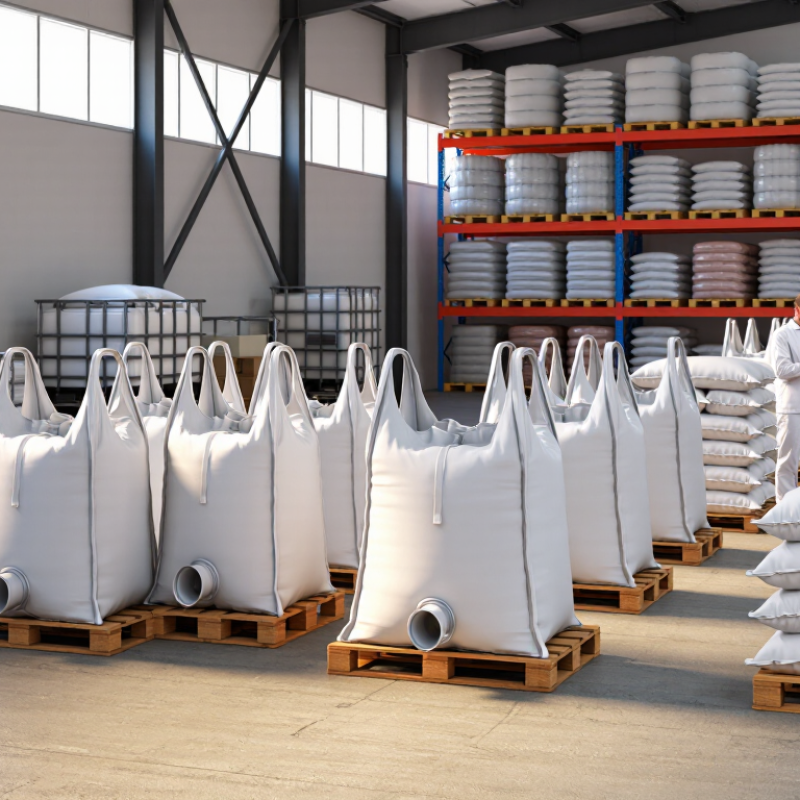
Choosing the right Wholesale Bags For Chemicals requires more than comparing prices or printed specifications. Chemical packaging must match the product’s weight, moisture sensitivity, temperature, filling method, and transport conditions. A woven polypropylene FIBC may suit dry powders, while a coated bag with an inner liner may better protect moisture-sensitive materials. The correct choice depends on verified testing, not appearance.
In practical sourcing, buyers often inspect seam strength, discharge options, liner fit, and lifting loops. These details matter when a bag holds 500 kilograms of fine material. A weak seam can create dust, waste, and workplace risks. A poorly fitted liner may wrinkle near the outlet and slow unloading. Ask suppliers for material data, production records, and test results from recognized laboratories. Certification should match the intended application and destination requirements.
Price still matters. It should not lead the decision.
Reliable suppliers explain their manufacturing process clearly. They also identify limitations instead of promising universal chemical resistance. This point deserves reflection: no single bag works safely for every chemical product. Compatibility testing may be necessary before large-scale purchasing. Buyers should review safety data sheets and consult qualified packaging or compliance professionals. This article examines bag structures, liners, load ratings, customization, testing, and supplier evaluation. Its goal is practical guidance for selecting dependable packaging while reducing avoidable handling problems. Even experienced buyers can miss small details, especially when samples look acceptable but fail under real filling, storage, or transportation conditions.
Chemical Bag Requirements: Safety, Strength, and Compatibility
What Is the Best Wholesale Bags for Chemicals?
Chemical bag requirements begin with compatibility, not price. A strong woven polypropylene bag may still fail when acids, solvents, oils, or hygroscopic powders attack its liner. Review the Safety Data Sheet before selecting construction. Check chemical resistance, permeability, moisture protection, static control, and maximum filling weight. For powders and granules, FIBCs with coated fabric, qualified liners, and reinforced seams are common choices. ISO 21898 provides useful requirements for flexible intermediate bulk containers, including design and testing considerations.
Strength needs measurable evidence. Ask suppliers for tensile data, seam test results, drop-test records, and a documented safety factor. Bags used for regulated transport may also require applicable UN packaging certification. Do not assume every bulk bag qualifies. The 2024 Cefic Facts and Figures report values global chemical sales at about €5.7 trillion in 2023, showing the scale of materials moving through industrial supply chains. Small packaging errors can create expensive contamination or handling problems.
Sustainability deserves scrutiny too. The OECD Global Plastics Outlook reported 353 million tonnes of plastic waste in 2019, with only 9% recycled. A reusable bag can reduce waste, but only when cleaning, inspection, and reuse procedures are realistic. This is where specifications often become imperfect. A recycled liner may not suit every chemical. A cheaper bag may pass a basic load test but fail after humidity exposure. Choose the least complex construction that safely matches the chemical, filling process, storage time, and transport conditions.
Main Types of Wholesale Chemical Bags and Their Uses
Choosing the best wholesale chemical bag starts with the material being packed. Woven polypropylene bulk bags suit dry powders and granules. Their reinforced lifting loops support forklift handling and warehouse movement. A suitable liner helps protect fine particles from moisture. Multiwall kraft paper bags work well for moderate-volume powders and dry additives. A polyethylene inner layer improves moisture resistance, but it can increase waste. Open-mouth bags fill quickly. Valve bags provide cleaner, more controlled discharge for stable dry materials.
For corrosive, liquid, or highly reactive materials, ordinary woven sacks may be unsuitable. Flexible plastic bags need liners tested for chemical compatibility. Small polyethylene bags can hold laboratory quantities or samples, with secure sealing and secondary containment when required. Static-sensitive powders may need dissipative materials and proper grounding during filling. Wholesale buyers should compare load ratings, seam strength, liner thickness, closure design, and storage conditions. Request compatibility data, migration testing, and batch records from the supplier. A bag can look strong yet fail after heat, sunlight, or repeated handling. That detail is easy to overlook. I would not choose by price alone. The cheapest option may create dust, require extra liners, or cause damaged shipments.
What Is the Best Wholesale Bags for Chemicals?
Main Types of Wholesale Chemical Bags and Their Uses
This chart shows representative industry capacity ranges for common chemical packaging bags. Polyethylene and polypropylene bags are commonly used for powders and granules in smaller quantities, multiwall paper bags are suitable for dry chemicals, and flexible intermediate bulk containers (FIBCs) are designed for larger-volume industrial handling. Actual capacity depends on material density, bag construction, liner selection, and applicable safety requirements.
How to Choose the Right Bag Material and Design
What Is the Best Wholesale Bags for Chemicals?
How to Choose the Right Bag Material and Design
The best wholesale chemical bag depends on the product, storage period, and handling method. Start with chemical compatibility, not price. Polyethylene liners often suit dry powders and many non-reactive materials. Polypropylene woven bags can provide strength during lifting and transport. However, neither material fits every chemical. Check resistance data under actual temperature and concentration conditions.
Design matters as much as material. A sealed inner liner can reduce moisture entry and powder leakage. Heat-sealed seams usually offer better protection than simple stitching. For static-sensitive powders, consider conductive or antistatic construction, with professional testing before production. Strong lifting loops help warehouse staff move heavy bags safely. Clear labels, batch spaces, and tamper-evident closures also support traceability.
Do not guess.
Wholesale orders should include samples, drop tests, compression tests, and compatibility checks. Ask the supplier for material specifications and quality records. A thicker wall is not always better; it may increase cost without improving performance. I have seen packaging plans fail because the liner was suitable, but the closure was weak. That detail is easy to miss. Bags should also match filling equipment, pallet dimensions, and storage conditions. Review the final design with qualified packaging and safety specialists before purchase.
Key Supplier Standards, Certifications, and Quality Checks
Choosing wholesale chemical bags starts with supplier discipline, not a low quoted price. A credible supplier should document resin grade, fabric weight, liner thickness, seam design, and batch traceability. ISO 9001 certification indicates a quality-management system, but it does not prove chemical compatibility. The ISO Survey 2022 recorded more than 1.2 million ISO 9001 certificates worldwide. Certification is common, not conclusive. Ask for the certificate scope and recent audit status.
For bulk bags, ask whether design and testing follow ISO 21898. The technical file should include safe working load, safety factor, lifting-loop construction, electrostatic controls, and moisture protection. If the chemical is classified for transport, require applicable UN packaging certification and test records. These records should show drop, top-lift, tear, and leak performance.
Inspect three production samples. Measure dimensions, weigh fabric, examine stitching under tension, and check the liner for pinholes. A clean warehouse matters. Dust on a liner is not a quality system.
Material compatibility needs laboratory evidence, not a confident email. Request immersion or permeation data using the actual chemical, concentration, temperature, and storage time. UNEP’s Global Chemicals Outlook II valued the chemical sector at US$5.7 trillion in 2017 and projected it to double by 2030. This growth increases pressure on reliable packaging. Still, a report cannot replace a site audit. I would quarantine the first shipment until filled-bag trials pass. It may delay production. It can prevent a costly leak. My purchasing instinct favors more certificates, but each test must match the real handling risk.
Cost, Customization, and Ordering Considerations for Bulk Buyers
For chemical wholesalers, the best bag is rarely the cheapest one. It is the bag that matches the material, filling method, storage period, and transport route. Grand View Research estimates that the global flexible intermediate bulk container market will grow at about 6% annually through 2030. This growth reflects demand for lighter, reusable, and space-efficient packaging. However, chemical buyers should not treat every bulk bag as interchangeable. Polypropylene grade, liner thickness, antistatic design, lifting loops, and discharge options can change performance and cost.
Customization needs discipline. A conductive or antistatic bag may be necessary where dust ignition risks exist, while a coated fabric can improve moisture resistance. For regulated chemical transport, buyers should request current test certificates and confirm compatibility with the safety data sheet. UN packaging requirements may also apply, depending on the substance and transport conditions. ISO 21898 provides widely used specifications for flexible intermediate bulk containers, including construction and testing principles. Ask for seam strength, drop-test results, and liner details. Photos are not enough.
Ordering in bulk reduces unit pricing, but minimum order quantities can trap cash in unused inventory. A practical quotation should separate bag cost, liner cost, printing, testing, pallets, and freight. Smithers’ packaging research continues to highlight material efficiency as a major purchasing pressure, yet thinner packaging is not always safer. I have seen specifications copied from older projects, creating expensive rework. A small pilot order is wiser than a large assumption. Confirm dimensions with the filling nozzle, warehouse racks, and discharge equipment before approving production.