How to Buy Tatami Mat 4cm in Bulk?
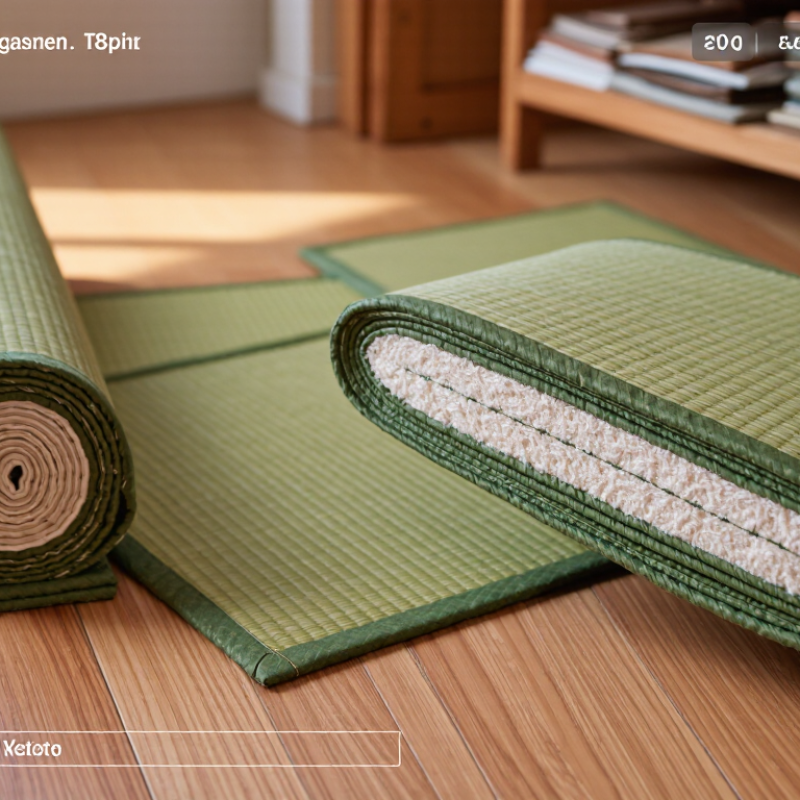
Buying Tatami Mat 4cm in bulk requires more than comparing supplier prices. Thickness, core density, surface material, edge stitching, moisture resistance, and carton protection can change the final value significantly. A professional buyer should request technical sheets, factory photographs, production samples, and recent quality records before approving a large order. Small details matter.
Kenji Sato, a veteran tatami craftsman and procurement consultant, says, “A reliable tatami mat begins with consistent materials, not attractive catalog pictures.” His observation reflects practical experience. A 4cm mat should feel firm under pressure, recover after compression, and remain stable across repeated use. Buyers should test several samples, especially around the corners and stitched edges. Uneven thickness can create uncomfortable floor transitions.
Supplier verification also deserves careful attention. Confirm production capacity, minimum order quantity, lead time, packaging dimensions, replacement terms, and inspection procedures. Ask whether the Tatami Mat 4cm uses natural rush, synthetic surface fabric, foam, wood fiber, or another internal structure. Each option affects odor, durability, weight, and maintenance.
Price alone misleads.
A lower quotation may exclude inland freight, export packaging, inspection fees, or damaged-unit allowances. I would also compare samples after storage in warm, humid conditions. That step is easy to overlook. My own first instinct would be to focus on unit cost, but bulk purchasing rewards consistency more than attractive pricing. This guide explains how to evaluate suppliers, calculate landed costs, reduce quality risks, and build a dependable purchasing process for Tatami Mat 4cm orders.
Define Your Bulk Tatami Mat 4cm Requirements
How to Buy Tatami Mat 4cm in Bulk?
Define Your Bulk Tatami Mat 4cm Requirements
Bulk buying starts with a precise product brief, not a rough quantity estimate. Specify the mat’s length, width, thickness, surface texture, edge finish, and acceptable measurement tolerance. A 4cm mat may vary slightly after compression or transport. Record the permitted range clearly.
Describe the intended setting. Training rooms may need firm support, while meditation spaces often require softer contact. Ask about the internal filling, surface material, moisture resistance, and cleaning method. Request a physical sample before approving production. Check its smell, rebound, stitching, corner alignment, and underside grip. Measure it yourself. Small defects become expensive across hundreds of units.
Quantity needs more detail than “one container.” State the exact number, delivery location, preferred packing method, and target arrival window. Individual cartons reduce handling damage but increase shipping volume. Protective wrapping may also trap moisture during long transit. This deserves attention. Ask for pre-shipment photos, inspection records, and written tolerance standards. Confirm whether replacement units cover damaged or undersized mats. I once underestimated storage space for bulky flooring, and the mistake delayed installation. A simple warehouse measurement would have prevented it. Avoid vague terms such as “premium” or “heavy duty.” Use measurable requirements instead.
How to Buy Tatami Mat 4cm in Bulk?
Define Your Bulk Tatami Mat 4cm Requirements
For a bulk order, confirm the regional mat size before calculating quantity. This chart compares approximate standard dimensions and the number of 4cm-thick mats needed to cover 100 square meters. The quantities are rounded up, helping buyers estimate procurement volume while allowing for layout and installation planning.
Compare Materials, Sizes, Edge Styles, and Surface Finishes
When buying 4cm tatami mats in bulk, compare the core before the appearance. Traditional rice-straw cores feel resilient and regulate moisture, but they need careful warehouse control. High-density foam cores are lighter, more uniform, and easier to stack. They may feel firmer underfoot. A 2024 Grand View Research flooring report forecasts the global flooring market to grow at about 5.5% annually through 2030, increasing pressure for consistent, scalable materials. Ask suppliers for density, moisture content, compression recovery, and fire-test documentation.
Size affects installation waste. Standard Japanese formats may not fit Western rooms, so measure the finished floor, not only the room outline. For bulk orders, request a tolerance sheet. A few millimeters can create visible gaps across a large project. Edge styles deserve equal attention. Straight edges suit tight layouts, while bound or reinforced edges resist fraying around doorways. Folded borders look traditional, but stitching quality varies. Check the underside, too.
Surface finishes change cleaning and comfort. Rush-like woven surfaces offer texture and breathability; synthetic coverings usually clean faster and tolerate heavier commercial use. Choose a fine weave for bare feet and a tighter coating for frequent spills. The U.S. EPA’s indoor-air guidance supports selecting low-emission materials and controlling humidity during storage. That detail is often missed. I would also order samples from different production batches. One sample can flatter a factory’s best day. Ask for abrasion, odor, colorfastness, and slip-resistance results from recognized laboratories. Bulk savings mean little when replacements arrive early.
Request Samples, Quotes, and Customization Details
Buying 4cm tatami mats in bulk begins with samples, not a purchase order. I recommend requesting three pieces from the same production batch. Check thickness, edge alignment, surface tension, odor, and compression recovery after 24 hours. A ruler is useful, but a digital caliper gives better evidence. My first comparison was flawed because I measured only the center. Edges can vary.
Ask each supplier for a written quotation based on quantity, dimensions, core material, surface finish, packaging, lead time, and delivery terms. Request separate prices for 50, 100, and 500 units. The 2024 Grand View Research flooring market report estimated the global market at about USD 388.3 billion in 2023. That scale increases competition, but it also makes specifications easier to misunderstand. A low unit price may exclude cartons, inspection, or replacement allowances.
Customization should be confirmed with a physical sample. Specify color references, weave direction, corner treatment, moisture protection, and logo-free packaging when required. Request test documentation for compression, slip resistance, and emissions. Relevant methods may include ASTM F1292 for impact attenuation and ISO 2439 for foam hardness, when applicable to the construction. These standards do not automatically certify the finished mat. Ask how results were obtained. Keep photographs, sample codes, and signed specifications in one file. Small details matter. Suppliers may promise consistency, yet natural-looking materials can show shade variation. Allowing a realistic tolerance is safer than demanding perfect uniformity.