China Top 10 Laminated Wood Veneer Panels Manufacturers
China’s laminated wood industry has grown from local workshops into a sophisticated manufacturing network. Today, many suppliers produce Laminated Wood Veneer Panels for furniture, doors, wall coverings, cabinetry, and commercial interiors. Their facilities may include automated pressing lines, calibrated sanding equipment, and moisture-controlled storage areas.
This guide examines ten notable Chinese manufacturers through practical and verifiable criteria. These include production capacity, veneer quality, adhesive systems, surface consistency, customization options, certifications, and export experience. Product samples matter. A panel may look impressive online but reveal uneven grain, edge gaps, or color variation under showroom lighting. Factory audits, technical documents, and customer references provide stronger evidence.
Quality is never automatic.
The selection also considers how clearly each company communicates specifications. Important details include panel thickness, core material, veneer species, formaldehyde emissions, fire performance, and allowable tolerances. Responsible manufacturers should explain testing methods and applicable standards without exaggerated promises. Their responses to complaints also deserve attention. Reliable after-sales support can prevent costly installation delays.
No ranking is completely objective. Market information changes, and some smaller producers may offer excellent products without strong international visibility. Buyers should request current samples, confirm certification validity, and review contract terms before placing an order. This article is intended as a practical starting point, not a final purchasing decision. By comparing these manufacturers carefully, architects, importers, furniture brands, and project contractors can identify suppliers that match their design requirements, budget, and quality expectations.
What Are Laminated Wood Veneer Panels?
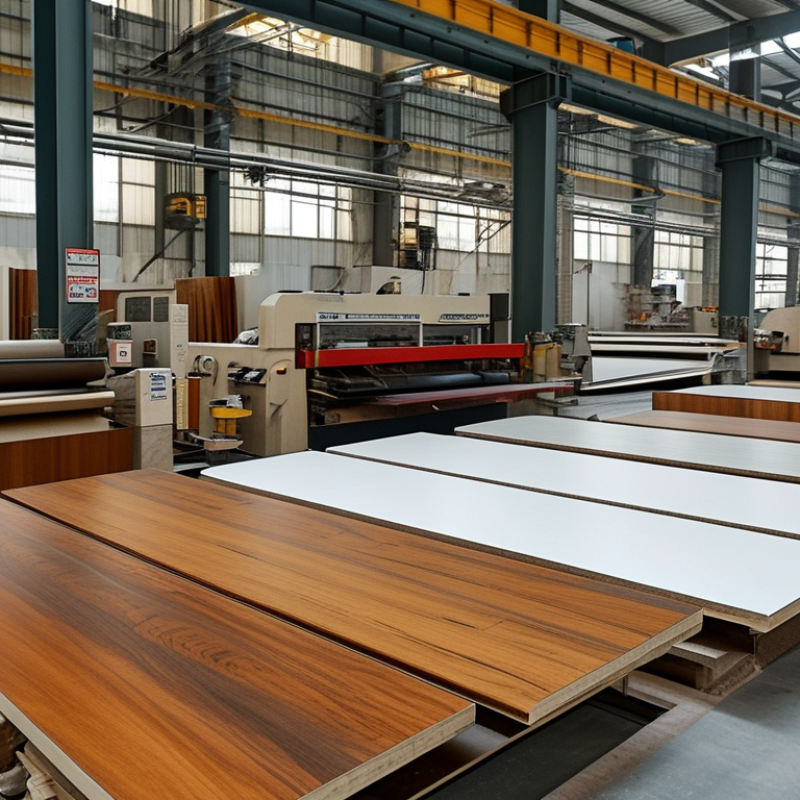
Laminated wood veneer panels are engineered boards made by bonding thin wood sheets to a stable core. The veneer provides the visible grain, while the core adds thickness, stiffness, and support. Manufacturers may cross-layer veneers or attach them over plywood, MDF, or another engineered substrate. This construction uses wood efficiently and offers more consistent dimensions than solid timber. The term can be confusing. It is not always the same as laminated veneer lumber.
In cabinets, wall panels, and furniture, the outer veneer may use oak, walnut, ash, or another wood species. It is bonded under controlled pressure, then trimmed, sanded, and finished. Experienced installers inspect edges, joints, and back faces before cutting. A small open edge can admit moisture and cause swelling. Small defects matter. Looks can mislead.
Panel performance depends on core density, adhesive quality, veneer thickness, pressing accuracy, and surface finish. For kitchens or humid rooms, buyers should verify moisture resistance instead of trusting appearance alone. Reliable specifications should state emissions testing, thickness tolerance, surface grade, and intended use. On real projects, unsupported spans and unsealed cut edges often create problems. This is easy to overlook. Careful storage, acclimatization, and edge sealing improve results, although no panel is maintenance-free.
How China’s Top Manufacturers Are Selected
China’s top 10 laminated wood veneer panel manufacturers should not be selected by website design or production claims alone.
A reliable assessment begins with documented manufacturing experience, product knowledge, and traceable quality controls. I would review years in operation, annual output, panel thickness ranges, veneer sources, adhesive systems, and equipment maintenance records.
Factory visits add useful detail: clean pressing surfaces, labeled test samples, calibrated moisture meters, and workers checking edges under light. Small observations often reveal more than polished brochures.
Evidence matters. Not promises.
Professional competence is tested through technical documents and consistent samples. Independent reports can verify formaldehyde emissions, bonding strength, moisture resistance, and dimensional stability against applicable standards.
The review should also compare complaint handling, batch traceability, packaging, lead times, and export documentation. A manufacturer with clear corrective actions deserves more confidence than one offering vague guarantees.
Yet no ranking is perfect. A supplier may perform well in one panel grade and struggle with custom finishes or seasonal supply changes. That limitation should remain visible.
Selection should combine audit findings, customer references, laboratory results, and recent production records, rather than relying on a single impressive visit. This approach supports a more authoritative and dependable list for architects, distributors, and furniture producers.
Profiles of China’s Top 10 Laminated Wood Veneer Panel Manufacturers
China’s Top 10 Laminated Wood Veneer Panel Manufacturers
Profiles of China’s Top 10 Laminated Wood Veneer Panel Manufacturers
China’s leading laminated wood veneer panel manufacturers differ in scale, equipment, and market focus. The first group operates integrated facilities, controlling veneer drying, adhesive application, pressing, sanding, and final inspection. Their panels often show even grain alignment and stable thickness. Factory experience matters here. A small moisture variation can cause edge lifting after installation.
Several manufacturers focus on decorative panels for furniture, doors, wall systems, and hospitality interiors. They provide oak, walnut, ash, and customized veneer appearances. Some use automated hot presses, while others depend more heavily on skilled workers. Both approaches can produce reliable results, but manual handling may create minor shade differences. That detail deserves attention.
Other top-ranked producers concentrate on export orders, certified raw materials, or customized dimensions. Their strengths include documented quality procedures, batch traceability, and packaging designed for long-distance shipping. Some also develop low-emission adhesive systems for residential projects. Yet public information is not always complete. A polished website does not replace factory audits, sample testing, or checking recent inspection records.
The strongest manufacturers usually share practical evidence: moisture reports, bonding-strength data, formal quality certificates, and clear replacement policies. Buyers should compare core materials, veneer thickness, formaldehyde performance, and pressing conditions before selecting a supplier. Ten manufacturers may appear similar online. They rarely perform identically in real production.
Product Types, Materials, and Manufacturing Capabilities
When comparing China’s top ten laminated wood veneer panel manufacturers, buyers should examine product types beyond surface appearance. Common options include decorative veneer panels, structural plywood, flexible panels, acoustic wall panels, and moisture-resistant boards. Some factories also produce fire-rated or low-emission panels for commercial interiors. Each type serves a different purpose. A beautiful panel may still perform poorly in humid rooms.
Material selection affects strength, texture, weight, and cost. Popular core materials include poplar, eucalyptus, birch, pine, and mixed hardwoods. Natural veneer offers visible grain and color variation, while engineered veneer provides more consistent patterns. Adhesive choice matters too. Urea-formaldehyde, phenolic, and modified low-emission adhesives support different performance requirements. Buyers should request test reports, not only verbal promises. Details matter.
Manufacturing capability separates a reliable supplier from a basic trader. Skilled facilities control veneer peeling or slicing, drying temperature, moisture content, and panel alignment. Modern production may include hot pressing, cold pressing, sanding, CNC cutting, edge sealing, and automated inspection. Experienced teams also check bonding strength, thickness tolerance, surface defects, and formaldehyde emissions. Factory visits can reveal dusty storage areas or uneven stacking, which online photos often hide. No factory is perfect. Even strong suppliers may need better color matching between batches, so approval samples and written specifications remain essential.
China Top 10 Laminated Wood Veneer Panels Manufacturers — Product Types, Materials, and Manufacturing Capabilities
Typical commercial thickness ranges for major laminated wood veneer panel categories supplied by Chinese manufacturers. The figures are industry reference ranges rather than company-specific data or rankings.
How to read the chart: Each bar shows a representative commercial thickness range. Product selection depends on veneer species, adhesive system, structural grade, surface finish, moisture resistance, and required panel dimensions.
How to Compare Suppliers and Choose the Right Manufacturer
China’s top laminated wood veneer panel manufacturers may look similar online, but their production details often differ. Compare suppliers through samples, not catalog photographs. Request matching panels with the same veneer species, thickness, finish, and core structure. Check color consistency under natural light. Look closely at edge bonding, surface bubbles, sanding marks, and veneer joints.
Ask for recent test reports covering formaldehyde emissions, moisture content, bonding strength, and dimensional tolerance. Confirm which laboratory issued each report. Reliable manufacturers should explain their adhesive system, pressing temperature, curing time, and quality checkpoints. Factory audits also matter. Observe veneer storage, panel pressing, trimming, and packaging. Dusty storage areas can affect surface quality. Poor wrapping can damage corners during transport.
Price deserves careful attention. A low quotation may exclude testing, export packing, replacement panels, or inspection fees. Compare the full landed cost instead. Ask whether production records and batch numbers support traceability. Request a small trial order before signing a large contract. It reveals communication speed and problem-solving habits. Not every attractive sample represents normal production. That is an uncomfortable possibility, but it should be tested.
Clarify lead times, payment stages, warranty terms, and acceptable defect limits in writing. A capable manufacturer will answer specific questions without avoiding difficult details. Review references from projects with similar panel sizes and environmental conditions. Your final choice should balance consistency, documentation, technical support, and total cost—not price alone.