How to Choose the Right PVC Pipe Connectors for Your Needs?

Choosing the right PVC pipe connectors can greatly impact your plumbing or construction project. These connectors are crucial for a secure, leak-proof system. With various types available, the selection process may seem daunting.

Consider your specific needs before purchasing. What is the intended use? Will you require heavy-duty connectors? Or perhaps a standard option will suffice? Quality is paramount. High-quality PVC pipe connectors offer longevity and reliability. Opt for connectors endorsed by reputable brands. Don’t overlook the importance of proper sizing. A mismatch can lead to leaks or failures.

It’s easy to underestimate the role of connectors. Some users buy them without adequate research. However, this can lead to costly mistakes. Take time to evaluate your options. Doing so ensures a smooth installation process and avoids future complications.
How to Choose the Right PVC Pipe Connectors for Your Needs?

Understanding Different Types of PVC Pipe Connectors Available in the Market

How to Choose the Right PVC Pipe Connectors for Your Needs?

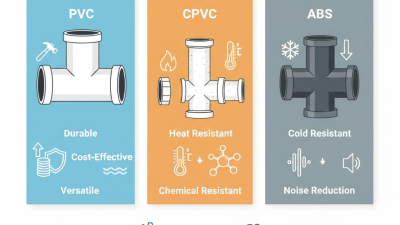
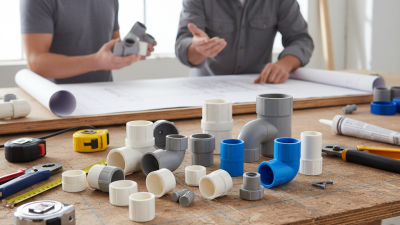
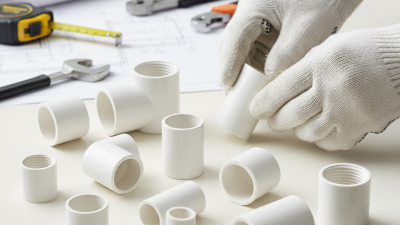
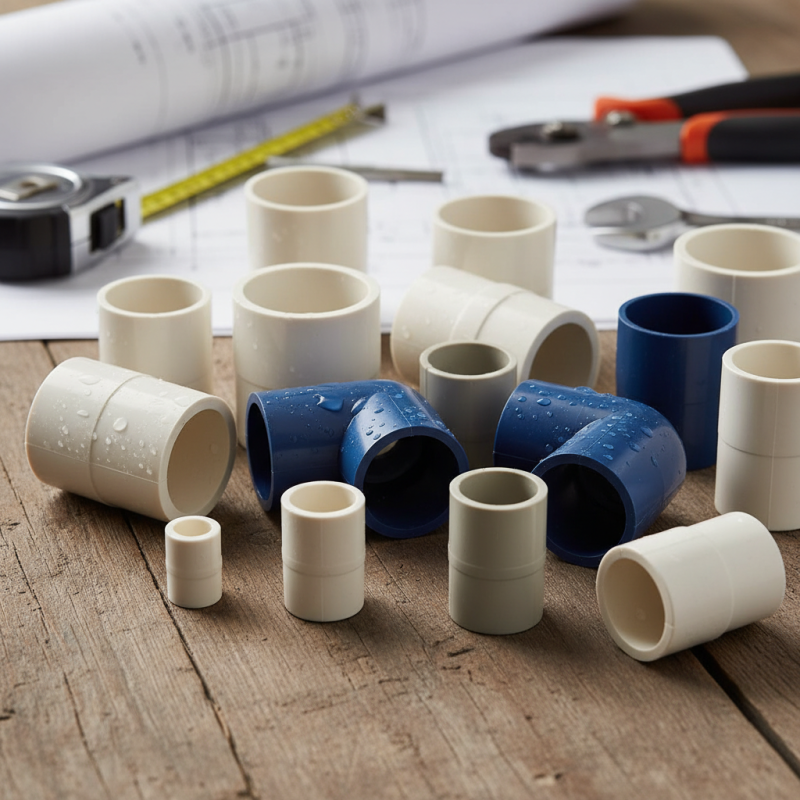
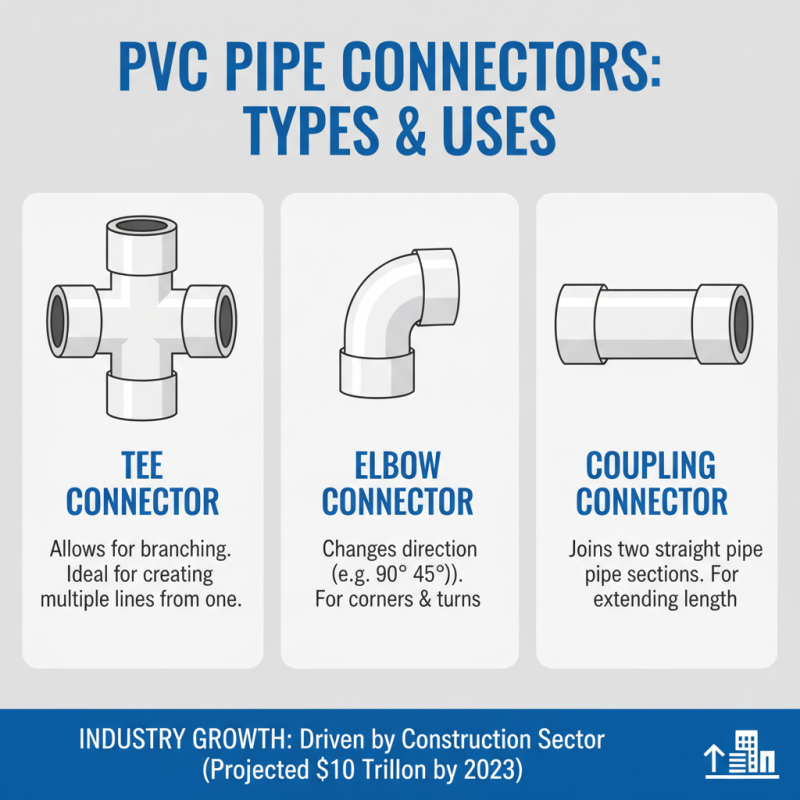
When selecting PVC pipe connectors, it’s crucial to understand the various types available. Common connectors include tees, elbows, and couplings. Each serves a unique function in plumbing and construction projects. For example, a tee connector allows for branching, while an elbow provides directional changes. According to industry reports, the demand for these connectors is increasing due to the growth of the construction sector, which is projected to reach $10 trillion by 2023.

Different grades of PVC connectors exist. Schedule 40 connectors are commonly used for residential applications. However, Schedule 80 connectors are thicker and more suited for industrial use. This distinction is vital for ensuring the longevity and integrity of the installation. Misjudging the type can lead to leaks and failures, which may incur additional costs. Reports show that improper installation can result in up to 30% of plumbing issues.

It’s also essential to consider connector compatibility. Not all connectors match all pipe sizes or schedules, which can complicate installation. Consulting with industry experts can provide clarity on the correct specifications needed for different projects. While many resources are available, relying solely on online information without professional consultation can lead to oversights. Understanding the specifics of your connector needs will ultimately save time and money.

Assessing the Specific Requirements for Your Plumbing or Construction Project

How to Choose the Right PVC Pipe Connectors for Your Needs?

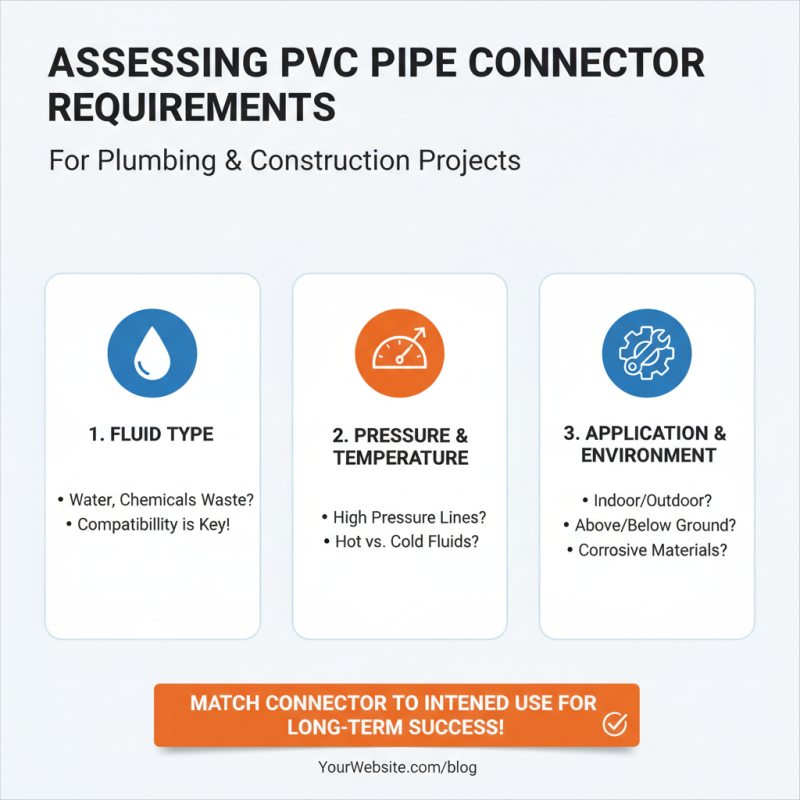
When choosing PVC pipe connectors for plumbing or construction projects, it's essential to assess specific requirements. Understand the type of fluid you'll be transporting. Different applications might require connectors that can handle high pressure or corrosive materials. Matching the connector to the intended use is critical for long-term success.

Consider the size and type of pipe you are using. Ensure that the connectors fit securely without leaks. This might involve measuring diameters accurately. Sometimes, connectors may not fit perfectly; you could encounter challenges when trying to join different pipe types. It’s vital to test the connections before finalizing the setup.

Evaluate the temperature ranges your project will encounter. Some PVC connectors may warp or degrade under extreme conditions. In addition, think about the installation environment. Will it be exposed to sunlight or harsh chemicals? Identifying these factors ahead of time can prevent failures that are costly and frustrating. Taking time to understand these details will ensure the right call is made when selecting PVC connectors.

Evaluating Key Factors When Selecting PVC Pipe Connectors

Choosing the right PVC pipe connectors requires careful consideration. Various factors influence the selection process. First, understanding the specific application is crucial. For example, connectors for high-pressure systems demand a different type than those for irrigation purposes.

Material compatibility is another key factor. PVC pipes and connectors must match in terms of chemical resistance. The Environmental Protection Agency (EPA) reports that improper material selection can lead to premature failure. Knowing the environmental conditions, such as temperature fluctuations, is equally important. According to industry data, over 30% of failures occur due to thermal expansion issues.

Installation ease often gets overlooked. Detailed instructions improve success rates but can be complicated. Additionally, evaluating connector types, such as spigots versus bell-end joints, affects performance and maintenance. Research indicates that 25% of installations encounter leaks due to incorrect fittings. Always weigh the pros and cons to avoid costly mistakes.

Common Mistakes to Avoid When Choosing PVC Pipe Connectors

When selecting PVC pipe connectors, it’s easy to overlook important details. One common mistake is ignoring the specific type of connector needed for your project. Each connector serves a unique purpose, from coupling to elbows. Not recognizing this can lead to inefficiencies and complications in the plumbing system. A wrong choice may cause leaks or even pipeline breakage.

Another frequent error is underestimating the importance of proper sizing. It's crucial to match the connector diameter to the pipe’s size. A mismatch can create weak points. Additionally, avoid rushing through the installation. Taking time to ensure a snug fit and secure connections can prevent future headaches. Neglecting these factors often results in unexpected repairs and costs.

Sometimes, people rely too much on recommendations without researching. While advice can be valuable, it’s essential to understand your specific requirements. Each project is different. Failing to consider the environment where the pipes will be installed can be detrimental. Humidity and temperature variations impact the materials' durability. Recognizing these challenges enhances your overall project success.

How to Choose the Right PVC Pipe Connectors for Your Needs? - Common Mistakes to Avoid When Choosing PVC Pipe Connectors

Connector Type Common Use Cases Size Range (inches) Material Common Mistakes to Avoid
Coupling Joining two pipes 1 to 6 PVC Choosing the wrong diameter
Elbow Changing pipe direction 1 to 6 PVC Not accounting for angle
Tee Branching pipe systems 1 to 4 PVC Ignoring pipe pressure ratings
Cap Sealing pipe ends 1 to 6 PVC Incorrect size fitting
Reducer Transitioning between sizes 1 to 6 PVC Using incompatible sizes

Maintenance Tips for Ensuring Longevity of Your PVC Pipe Connections

Maintaining PVC pipe connections is crucial for their longevity. Proper care can prevent leaks and failures. According to industry reports, up to 40% of pipe issues stem from poor maintenance practices. Regular inspection is essential. Look for signs of wear, such as cracks or discoloration. These can indicate serious problems that need immediate attention.

Routine cleaning of connectors is also vital. Debris can accumulate over time, leading to blockages. Use a soft brush to clean the outer and inner surfaces. Ensure the connections are tight but not overly tightened, which can cause fractures. It's worth noting that many professionals recommend using lubricant on threaded joints to enhance sealing.

Additionally, the environment plays a significant role in the lifespan of PVC connections. Extreme temperatures can make PVC brittle. A study shows that exposure to such conditions can reduce longevity by over 25%. Consider insulating pipes in areas with fluctuating temperatures. This small investment can yield substantial benefits, reducing potential repair costs in the long run. Regular maintenance and monitoring are your best allies for durability.

Request Quote

Sign Up