How to Choose the Best Automatic Painting Machine for Your Business?
Choosing the right automatic painting machine can significantly impact your business's efficiency and quality. Industry expert John Smith states, "The right machine transforms productivity and precision." With several options available, it’s crucial to evaluate different machines based on your specific needs.
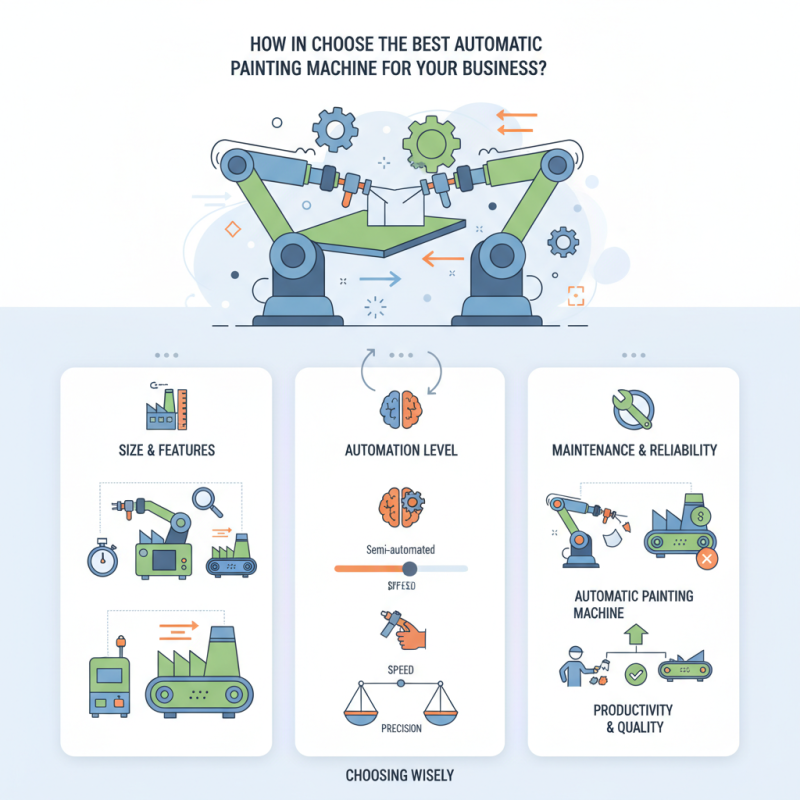
Consider the size, features, and automation level of an automatic painting machine. Not all machines offer the same benefits. A machine might excel in speed but lack precision. On the other hand, some machines are highly reliable but slow. Finding a balance is essential.
Additionally, evaluate the machine's maintenance requirements. A reliable machine should not compromise your productivity with constant repairs. Reflect on your current methods. Are they costing you time and resources? An automatic painting machine could be a game-changer, but only if you choose wisely.
Understanding the Different Types of Automatic Painting Machines
When it comes to automatic painting machines, understanding their different types is crucial. There are various models designed for specific applications. For instance, airless sprayers work well for large surfaces, offering a smooth finish. They can handle thick coatings, but overspray can be an issue. Without proper training, this can lead to waste and inconsistent results.
Conversely, electrostatic sprayers utilize charged paint particles. This method enhances coverage, especially on complex shapes. However, these machines can be pricey and require maintenance. Users often struggle with the setup, leading to frustration. It's vital to weigh the benefits against potential learning curves.
Finally, robotic painting systems provide precision and consistency. They are ideal for mass production but can be expensive and require skilled operators. Businesses need to assess their specific needs before investing. With the right approach, the choice can enhance efficiency and reduce costs in the long run.
Evaluating Key Features for Your Business Needs
When choosing an automatic painting machine, it's crucial to consider key features that meet your business needs. One significant aspect is the machine’s speed. Faster machines can increase efficiency, but they may compromise precision. Balance speed with quality to ensure your output remains top-notch. High-quality finishes are essential, especially for industries like automotive and furniture.
Another important factor is the machine's compatibility with various paint types. Some machines work better with certain materials. Ensure the machine can handle the specific paint you intend to use. This can impact the final product's durability and appearance. Additionally, think about the ease of operation and maintenance. A user-friendly interface can minimize downtime and training costs.
Don’t overlook the size and flexibility of the machine. A larger unit may accommodate bigger projects but could require more floor space. Consider how the machine will fit into your production line. Reflect on your current and future needs. Investing in the right machine today can save you from costly upgrades later. Evaluate these features carefully to find a machine that truly serves your business well.
Assessing Costs and Budget Considerations
When considering the costs of an automatic painting machine, it's crucial to evaluate both initial investments and long-term expenses. Research indicates that businesses can expect to spend between $5,000 to $100,000 for equipment. This range can vary significantly based on features, scales, and capabilities. A mid-tier model could be suitable for small to medium enterprises looking to optimize their painting processes.
Budget considerations extend beyond the purchase price. Maintenance costs can account for 10% of the equipment’s value annually. Data shows that neglecting routine maintenance can lead to increased repairs and production downtime, negatively impacting the bottom line. Additionally, consider the cost of training staff. Effective training ensures optimal performance and minimizes errors, which can be costly.
Businesses should also explore financing options. Leasing may provide flexible payment plans, helping to manage cash flow smoothly. A report from the National Association of Manufacturers highlights that nearly 70% of companies prefer leasing to conserve capital. Assessing these financial factors leads to smarter, informed decisions regarding your painting automation needs.
Cost Comparison of Automatic Painting Machines
This bar chart illustrates the cost comparison of different types of automatic painting machines based on various features and capabilities suitable for businesses. Understanding these costs can help in making informed decisions when selecting the right equipment.
Researching Manufacturer Reputation and Support
When selecting an automatic painting machine, researching the manufacturer's reputation is crucial. A company known for reliability often indicates high-quality products. Look for reviews and testimonials. Engaging with current users can provide insights you might not find online. Ask about their experiences with the machine's durability and performance.
Support from the manufacturer matters too. Inquire about their customer service quality. A responsive team can help you navigate issues quickly. Check if they offer training resources. Proper training can prevent operational hiccups. Delve into their warranty policies as well. A longer warranty period might suggest confidence in their product quality.
Consider industry reputation. A manufacturer recognized in the painting industry likely has solid expertise. However, not all manufacturers are perfect. Some may excel in product design but lack support. Evaluating these factors thoughtfully can help you make a more informed choice. Look beyond the surface to ensure your business invests wisely.
Comparing Customer Reviews and Case Studies
When choosing the best automatic painting machine for your business, analyzing customer reviews and case studies is crucial. A detailed study by Research and Markets found that 48% of businesses consider user experiences before purchasing. This statistic highlights the importance of peer feedback. Among various models, some received praise for efficiency, while others faced criticism over reliability.
Case studies provide real-world insights into performance. For instance, a report by the International Journal of Production Research noted a 30% reduction in production time when businesses switched to automated painting systems. However, not all machines delivered the promised efficiency. A case study examining a mid-sized automotive company revealed unexpected downtime due to programming errors. Such scenarios underscore the complexities in operational integration.
Customer reviews often reveal hidden strengths and weaknesses. While many machines boast precision, some users report difficulties with consistency. Approximately 25% of reviews highlighted issues maintaining paint quality. This variance can significantly impact output. An informed decision requires balancing positive experiences with critical feedback, enabling better outcomes for your projects. Ultimately, learning from others' experiences can guide you towards a more effective choice.
How to Choose the Best Automatic Painting Machine for Your Business?
| Feature | Machine A | Machine B | Machine C |
| Painting Speed (sqm/hr) | 50 | 70 | 45 |
| Power Consumption (kW) | 5 | 7 | 4 |
| User Rating (1-5) | 4.5 | 4.8 | 4.2 |
| Warranty (years) | 2 | 3 | 1 |
| Price (USD) | $10,000 | $12,000 | $9,500 |