How to Choose the Right Construction Pipe for Your Project?
When undertaking a construction project, selecting the right Construction Pipe is crucial. It serves as the backbone of various systems. Without the right choice, projects can face serious delays and increased costs.
Construction pipes come in various materials, sizes, and specifications. Each type serves a unique purpose, whether for water transport, drainage, or structural supports. Understanding these options is essential for success. Many projects start with the wrong materials. This can lead to leaks, inefficiencies, and even structural failures.
Consider the environment where the pipe will be installed. Factors like soil type, temperature variations, and potential chemical exposure play a significant role. Making the right selection based on these conditions is critical. Informed choices enhance the durability and reliability of the infrastructure. A costly mistake often arises from not doing thorough research. Don't rush this vital decision; it can make or break your project.
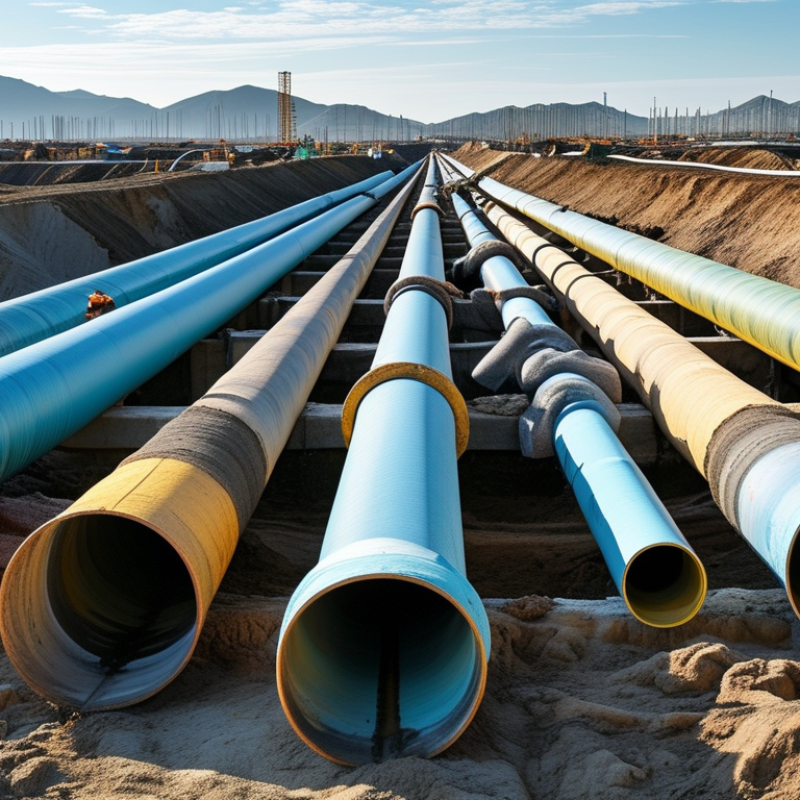
Understanding the Types of Construction Pipes Available in the Market
Choosing the right construction pipe is vital for project success. There are several types available, each with unique properties. Steel pipes are strong but may corrode. According to the American Society of Civil Engineers, nearly 20% of water loss in urban areas is due to aging pipe infrastructure. Understanding material qualities helps mitigate such issues.
PVC pipes are lightweight and resistant to corrosion. They are often used in residential plumbing systems. A report from the National Association of Home Builders indicates that 60% of new homes use PVC for plumbing. However, PVC may degrade under UV light, which limits outdoor applications.
Copper pipes are another option, noted for their durability and antimicrobial properties. Yet, they can be expensive. Research shows that about 75% of plumbing professionals prefer copper for certain applications due to its reliability. Nonetheless, construction plans might need to consider local soil conditions, as some soils can corrode copper over time. Balancing these factors is crucial for informed decision-making.
Evaluating Material Options for Construction Pipes: Pros and Cons
Choosing the right construction pipe is crucial for a project's success. Various materials are available, each with distinct advantages and drawbacks. Understanding these can help you make an informed decision.
PVC pipes are lightweight and resistant to corrosion. They are easy to handle and install. However, they can be prone to UV damage and are not suitable for high-temperature applications. Their lifespan may also be shorter compared to metal options.
On the other hand, metal pipes like steel offer strength and durability. They are great for high-pressure applications. Yet, they can be heavier and more expensive. Additionally, steel is susceptible to rust without proper treatment. Each material has unique qualities that can impact your project's outcome. Ultimately, considering your project's specific needs is vital.
Determining Pipe Size and Dimension Requirements for Your Project
Choosing the right pipe size and dimensions is critical for any construction project. Accurate measurements play a vital role in ensuring proper fluid flow and structural integrity. According to industry standards, pipes must often be sized based on both internal and external factors. Factors like pressure, temperature, and the type of fluid significantly influence pipe sizing.
Common guidelines suggest using the Hazen-Williams equation for water flow to estimate required pipe diameters. Research indicates that for residential water systems, a flow rate of 10-15 gallons per minute typically requires a ¾-inch pipe. However, this can vary depending on the length of the run and the number of fixtures served. Underestimating pipe size can lead to increased pressure loss and inefficiencies, which might not be evident until it’s too late.
On the other hand, oversizing can cause expensive material waste and unnecessary costs. It is essential to balance the calculations carefully. There is also a need for continual review. Project managers often find themselves revisiting these calculations during different project phases. Misalignment with actual requirements can lead to significant delays. Therefore, meticulous planning and thorough understanding of dimension requirements are paramount for project success.
Considering Environmental and Regulatory Factors in Pipe Selection
When selecting construction pipes, environmental and regulatory factors play a crucial role. Many jurisdictions have specific regulations governing materials and practices. For instance, the Environmental Protection Agency (EPA) emphasizes limits on lead in drinking water pipes. According to a 2022 report, about 10% of all U.S. water systems contain lead pipes. Understanding these regulations can help prevent costly mistakes.
Material selection must also consider environmental impact. PVC pipes, often seen as cost-effective, may release harmful chemicals during production. In contrast, HDPE is noted for its durability and lower environmental footprint. A study by the American Society of Civil Engineers suggests that using HDPE can reduce carbon emissions by 30% compared to traditional materials. However, the higher initial costs can deter some projects.
It’s essential to weigh performance against sustainability. While cheaper options may seem attractive, they can lead to long-term issues. Pipes that corrode or leak can create significant environmental damage and costly repairs. Investing in quality options and adhering to regulations can mitigate risks and foster responsible practices. Reflecting on the selection process, it is clear that a balance between cost, performance, and compliance should guide decisions.
Cost Analysis: Budgeting for Different Types of Construction Pipes
When budgeting for construction pipes, it’s crucial to consider various factors. Different types of pipes come with varying costs. Generally, options like PVC, copper, and steel each have their own price tags. PVC pipes tend to be more affordable and lightweight. However, they may not always be suitable for high-pressure applications.
Copper pipes, while more expensive, offer durability and corrosion resistance. It's essential to weigh their long-term benefits against initial costs. Steel pipes, on the other hand, often provide strength for heavy-duty tasks but can stretch your budget. Consider the project's specific needs when making selections.
Tips: Always account for installation costs. Labor expenses can significantly influence your budget. Also, explore local suppliers for pricing variations. Having a flexible budget can help accommodate unexpected changes. Remember, choosing the right pipe isn’t just about cost; it's about performance and reliability too. Evaluate each option carefully to ensure your investment holds value over time.
Cost Analysis of Different Types of Construction Pipes