How to Choose the Right PVC Pipe Sizes for Your Plumbing Projects
When embarking on plumbing projects, selecting the right materials is crucial for ensuring efficiency and longevity. One of the most significant decisions involves choosing the appropriate PVC pipe sizes. The right dimensions can make a considerable difference in water flow, system pressure, and overall project success. With various options available, understanding the specific requirements for your plumbing needs is essential.
Several factors come into play when determining the correct PVC pipe sizes. These include the type of plumbing system, the volume of water to be transported, and potential pressure requirements. Additionally, local building codes may dictate specific standards that must be adhered to. Being informed about these elements will help streamline your decision-making process, leading to optimal performance and reduced maintenance issues.
In this guide, we will explore the different PVC pipe sizes available, as well as key considerations that should influence your selection. By understanding how to match pipe sizes with your project specifications, you will ensure a reliable plumbing solution that meets both current demands and future needs.
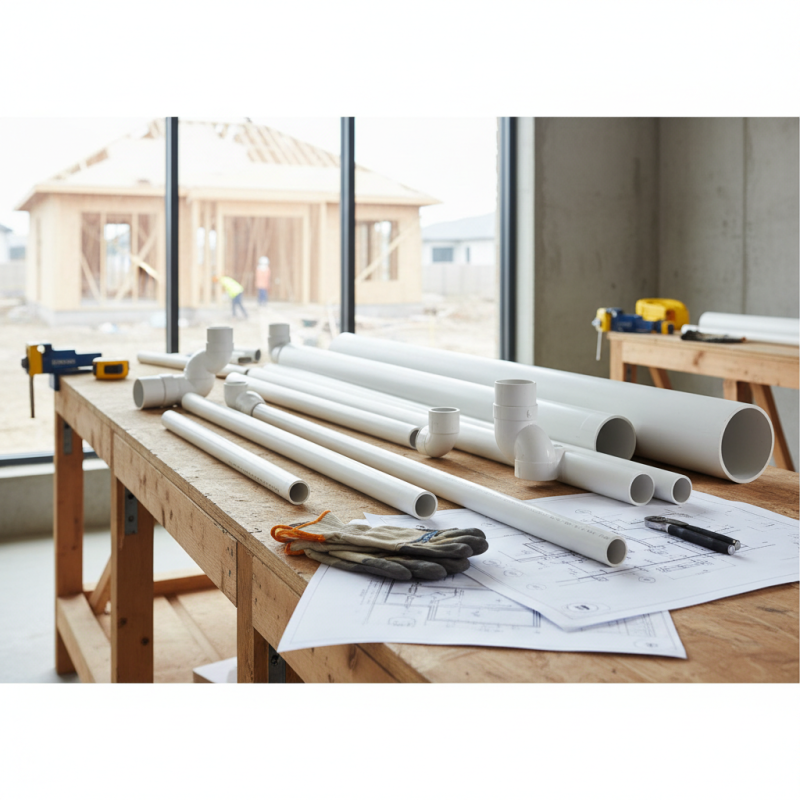
Understanding PVC Pipe Sizes and Their Applications
When selecting PVC pipe sizes for plumbing projects, it’s essential to understand how these sizes correlate with their applications. PVC pipes are categorized by their diameter, with common sizes ranging from ½ inch to 12 inches in diameter. According to a report by the Plastics Industry Association, the most widely used sizes in residential plumbing are ½ inch to 2 inches, suitable for supply lines and drainage systems due to their balance of flow capacity and pressure requirements.
Each size serves distinct functions; for example, smaller diameters (½ inch to 1 inch) are ideal for supplying water to faucets and fixtures, while larger diameters (3 inches and above) are often employed in main sewer lines and larger drain applications. A study from the American Water Works Association indicates that properly sizing your pipes can optimize water flow and reduce the risk of leaks, which can lead to costly repairs. Understanding the specific flow rate requirements for each application is crucial, as undersized pipes can cause pressure drops and system inefficiencies, while oversized pipes may result in stagnant water, increasing the risk of bacterial growth.
In addition to diameter, the choice of schedule (schedule 40 or 80) also impacts the pipe's strength and suitability for certain pressures. Schedule 40 is commonly used for residential applications, while Schedule 80 is ideal for high-pressure systems. Comprehensive research conducted by the Pipe and Tube Association underscores the importance of considering both the mechanical properties and intended application of PVC pipes to ensure optimal performance in plumbing projects.
Understanding PVC Pipe Sizes and Their Applications
Factors to Consider When Selecting PVC Pipe Sizes
When selecting the appropriate PVC pipe sizes for plumbing projects, it's essential to consider several key factors that can significantly affect functionality and efficiency. One crucial factor is the flow rate required for your specific application. According to industry standards from the American Society of Plumbing Engineers (ASPE), the flow rate is typically influenced by the diameter of the pipe, as larger pipes can carry more water. For instance, a 4-inch PVC pipe can handle a flow rate of approximately 1,200 gallons per minute (GPM), while a 2-inch pipe may only manage around 240 GPM. Understanding the required flow rate will help ensure that the selected pipe size meets the demands of the system.
Another vital consideration is the pressure rating of the PVC pipe, which impacts its overall durability and performance in dynamic plumbing systems. The Pressure Rating (PR) system varies among different pipe diameters; for instance, Schedule 40 PVC pipes have a pressure rating of up to 200 PSI for smaller sizes (2-inch and below), while the rating decreases for larger diameters. Assessing the operating pressure of your plumbing system, as outlined by the National Plumbing Code, will guide you in choosing a pipe that is not only suitable for the required flow but also capable of withstanding the operational pressures to prevent leaks and failures. Additionally, temperature considerations—particularly hot water systems—may also dictate the type and size of PVC pipes to be utilized, as heat can lead to deformation if the pipe is not rated for the intended temperatures.
Common PVC Pipe Size Standards and Specifications
When selecting PVC pipe sizes for plumbing projects, understanding the common size standards and specifications is crucial. PVC pipes are typically available in Schedule 40 and Schedule 80 ratings, which indicate the pipe's pressure tolerance. For instance, Schedule 40 pipes are commonly used for residential plumbing, while Schedule 80 pipes have thicker walls and are often used for higher pressure applications. According to the Plastics Pipe Institute (PPI), the standard nominal size for PVC pipes ranges from ½ inch to 12 inches in diameter, with the most utilized sizes being ¾ inch, 1 inch, and 2 inches for household plumbing systems.
Moreover, the American National Standards Institute (ANSI) provides standard dimensions for PVC pipe, ensuring compatibility and uniformity across various applications. The industry standard of the outside diameter (OD) for common PVC sizes is set to facilitate ease of connection and fitting with other piping systems. For example, a 2-inch nominal size PVC pipe has an actual OD of 2.375 inches, allowing for reliable connections with other plumbing components. By adhering to these established standards, plumbers can ensure effective water flow and system integrity, mitigating risks of leaks or pressure loss in their installation projects.
Calculating Flow Requirements for Your Plumbing Projects
Calculating flow requirements is crucial for selecting the correct PVC pipe sizes in plumbing projects. Flow rate, measured in gallons per minute (GPM), directly influences the diameter of the pipe needed to ensure efficient water delivery. According to a report by the Plumbing Manufacturers International, residential systems typically require flow rates of 6 to 10 GPM to meet the demands for various fixtures, such as sinks, showers, and appliances. By calculating the total flow rate based on the number of fixtures and their usage, you can determine the appropriate pipe size.
One essential aspect to consider is the velocity of the water flowing through the pipe. Industry standards recommend a maximum velocity of 5 to 7 feet per second to minimize noise and prevent erosion in the pipes. For instance, if a plumbing project requires a total flow rate of 10 GPM, proper sizing might indicate that a ¾-inch PVC pipe is adequate, provided the velocity remains within the recommended range. Utilizing tools like the Hazen-Williams equation can further help in accurately calculating the pressure loss and ensuring the selected pipe size can accommodate the intended flow without compromising performance. By adhering to these guidelines, you can effectively select the right PVC pipe sizes that meet the flow requirements of your plumbing projects.
How to Choose the Right PVC Pipe Sizes for Your Plumbing Projects - Calculating Flow Requirements for Your Plumbing Projects
| Pipe Diameter (inches) |
Flow Rate (GPM) |
Maximum Velocity (ft/s) |
Application |
| 1 |
10 |
5 |
Residential Plumbing |
| 1.5 |
20 |
6 |
Irrigation Systems |
| 2 |
30 |
7 |
Commercial Buildings |
| 3 |
50 |
8 |
Stormwater Drainage |
| 4 |
80 |
9 |
Municipal Water Supply |
Tips for Proper Installation of PVC Pipes Based on Size
When installing PVC pipes for plumbing projects, selecting the appropriate size is vital not only for ensuring efficient water flow but also for avoiding future complications. According to a report by the American Society of Plumbing Engineers, the diameter of your pipes must correspond to the water demands of your fixtures. For instance, typical residential plumbing systems utilize pipe sizes from ½ inch to 2 inches, depending on the application, with ¾ inch being the most common choice for standard household water supply. Neglecting these specifications could lead to inadequate water pressure or even system failures.
Proper installation techniques are equally important to maximize the longevity and performance of your PVC piping. The installation should always consider the pipe’s diameter, as improper sizing can complicate connections and lead to leaks. For smaller diameters, it’s advisable to use primer and solvent cement to create strong bonds, while larger pipes may require a deeper socket and additional support straps to maintain alignment. Additionally, the use of a level during installation ensures that pipes are aligned correctly, which is critical for drainage systems. According to the Plumbing and Heating Contractors Association, installations that follow these guidelines can result in a 25% reduction in future plumbing issues, thereby enhancing both efficiency and reliability.