How to Choose the Right Ceramic Insulated Band Heater
Choosing the right Ceramic Insulated Band Heater is more than matching a diameter to a barrel. It requires understanding the machine, material, temperature range, and working conditions. A heater that looks suitable may still create uneven heating, slow start-up, or premature failure. Practical selection begins with accurate measurements. Record the barrel diameter, heater width, voltage, wattage, and available installation space. Small errors matter.
Think about the process material. Some plastics need steady, moderate heat, while engineering polymers demand higher temperatures and tighter control. Check the required operating temperature, not only the heater’s maximum rating. Watt density also deserves careful attention. Excessive heat concentration can damage sensitive materials or create hot spots near the nozzle. Ceramic insulation can improve thermal efficiency, but it does not correct poor sizing or weak temperature control.
The installation environment matters. Dust, vibration, moisture, and frequent cleaning may influence the heater design and terminal protection. Confirm the thermocouple position and controller compatibility before ordering. A loose band heater wastes energy. An overly tight one may distort during expansion. That mistake is easy to overlook.
Experience also teaches caution. Manufacturer data is valuable, but real performance depends on the machine and production cycle. Ask for drawings, test records, and material specifications when available. Review the heater after several operating cycles, not just during the first successful run. The perfect choice is not always obvious. Careful measurement, honest comparison, and periodic inspection provide a more reliable path to choosing a Ceramic Insulated Band Heater that performs consistently.
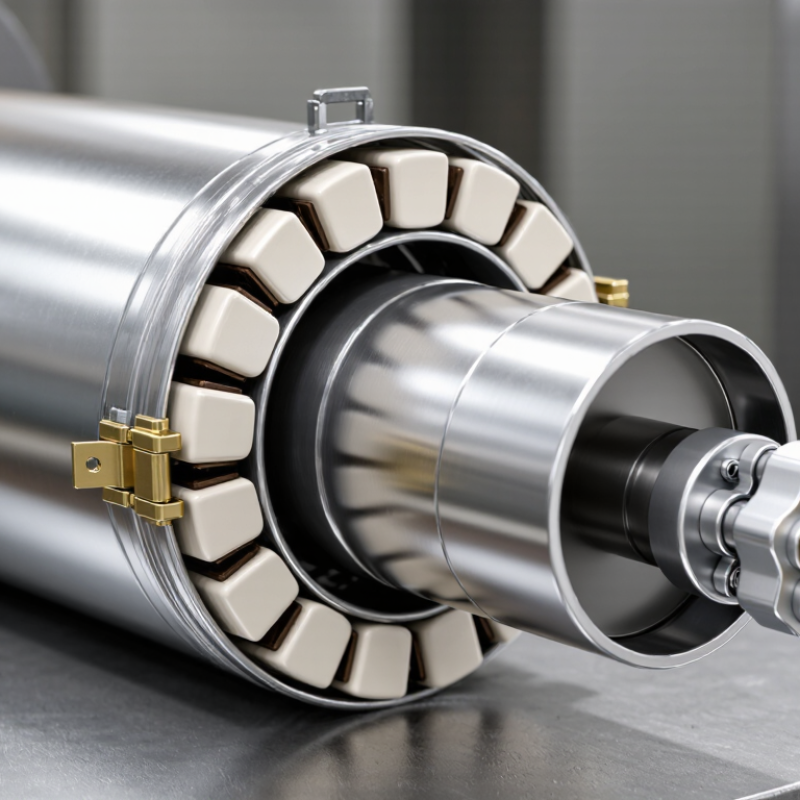
Understand the Structure and Operating Principles of Ceramic Band Heaters
A ceramic band heater contains a resistance wire, ceramic insulating blocks, a metal sheath, terminals, and a clamping system. The wire converts electrical energy into heat through resistance. Ceramic blocks hold the wire in a fixed pattern. They also reduce heat loss toward the outer surface. The metal band transfers heat around a cylindrical barrel, pipe, or nozzle.
The U.S. Department of Energy reports that process heating uses about 51% of manufacturing energy. This makes heater efficiency more than a maintenance concern. A loose band creates air gaps and raises heat loss. Excessive watt density can produce hot spots, damaged insulation, or uneven polymer flow. A perfectly uniform temperature is an attractive assumption. Real barrels rarely behave that way.
Choose the heater after checking barrel diameter, heated width, voltage, wattage, and operating temperature. Ceramic insulation suits demanding temperatures, but it can crack under impact or poor installation. The band should fit tightly without forcing the terminals. A thermocouple must sit near the actual process zone, not simply near the heater surface. IEC 60519-1 provides safety principles for industrial electroheating equipment. Use it with local electrical requirements. The IEA’s Energy Efficiency 2023 report also stresses the importance of industrial efficiency improvements, yet heater selection alone cannot solve poor insulation or unstable controls. That part deserves honest review.
Define Heating Requirements, Temperature Range, and Power Capacity
How to Choose the Right Ceramic Insulated Band Heater
Define the heating requirement before selecting a heater. Record the barrel diameter, heated length, material type, throughput, and startup time. Also measure ambient temperature and airflow around the equipment. The U.S. Department of Energy reports that process heating represents about 51% of energy use in U.S. manufacturing. Efficiency matters. A heater that is too small may run continuously and still miss the target temperature.
Set the working temperature, not only the maximum rating. Many ceramic insulated band heaters operate near 760°C, but actual performance depends on insulation, clamping, wiring, and heat loss. Calculate basic power with voltage multiplied by current. Then estimate energy for the material, equipment mass, warm-up time, and environmental losses. Add a practical reserve, often 10% to 20%, but do not treat this as a universal rule. A larger margin can cause overshoot, uneven heating, or unnecessary energy use. A neat calculation can still mislead.
Tips: Use a calibrated surface probe during commissioning. Check heater contact and clamping pressure. Confirm the controller can handle the selected load. Keep a record of warm-up time and temperature stability. Do not trust the display alone. Recheck the design after production changes, because higher throughput quietly changes the heat balance.
Select the Correct Heater Dimensions, Materials, and Insulation Design
Choosing the right ceramic insulated band heater starts with exact dimensions. Measure the barrel diameter, heated width, clearance, and clamping gap. A loose band creates hot spots and wastes electrical energy. An overly tight band may damage the heater during thermal expansion. Allowance matters.
Material selection depends on temperature, pressure, and contamination. Stainless steel suits humid or corrosive production areas. Nickel-based alloys may tolerate higher temperatures, but supplier data must confirm the limit. The U.S. Department of Energy reports that process heating represents a major share of industrial energy use, making heat loss control commercially important. In practice, I check surface temperature with a calibrated infrared instrument, then verify readings using contact sensors. Infrared readings can mislead on reflective metal.
Insulation design should match the machine, not only the heater. Ceramic fiber reduces radial heat loss, while a protective outer jacket improves handling and durability. The International Energy Agency’s Energy Efficiency 2023 report identifies industry as responsible for nearly 40% of global final energy consumption. Even small losses become expensive across continuous production. Keep wiring clear of sharp edges and moving parts, following applicable electrical-heating requirements such as IEC 60519-1. My first sizing estimate is rarely perfect. Installation trials often reveal uneven contact, unexpected airflow, or inadequate insulation thickness. That feedback should change the final specification.
Evaluate Installation Methods, Compatibility, and Safety Features
How to Choose the Right Ceramic Insulated Band Heater
Installation method determines heat transfer, service life, and operator safety. For cylindrical molds, ceramic insulated band heaters should fit tightly without crushing the insulation. Loose contact creates hot spots and wastes energy. Clamped designs allow faster replacement, while hinged designs suit frequent maintenance. Confirm the heater’s diameter, width, voltage, wattage, and terminal position before ordering. A small mismatch can distort temperature readings.
Compatibility deserves practical testing. Check the barrel or nozzle material, operating temperature, surface condition, and available control system. Ceramic elements often tolerate high temperatures, but nearby wiring may not. The U.S. Department of Energy’s Industrial Decarbonization Roadmap reports that process heating uses about 51% of industrial energy consumption. Better contact and insulation can therefore reduce avoidable losses. Measure the surface with a calibrated sensor, not touch.
Safety features should be specified, not assumed. Use grounded metal sheaths, protected terminals, strain relief, and an independent over-temperature limit. NFPA 70B emphasizes documented electrical maintenance and inspection practices. Lockout procedures matter during removal.
Very much.
In field work, technicians sometimes trust a controller display without checking the actual surface temperature. That habit deserves reconsideration. Record resistance, insulation condition, and terminal temperature during commissioning and scheduled maintenance. A heater that passes startup checks may still degrade under vibration, contamination, or repeated thermal cycling.
Compare Quality, Maintenance Needs, and Total Operating Costs
How to Choose the Right Ceramic Insulated Band Heater
Choosing a ceramic insulated band heater requires more than checking its purchase price. In production, I have found that ceramic quality affects heat distribution, startup time, and service life. Dense, evenly formed ceramic elements usually resist cracking during repeated heating cycles. Loose connections or thin insulation can create cold spots around the barrel. That problem may remain unnoticed until material quality changes.
Compare construction details before comparing quotations. Check the heater’s operating temperature, watt density, insulation thickness, and clamping method. A reliable unit should maintain firm contact with the heating surface. Measure resistance before installation, then inspect terminals after the first heating cycle. Small checks prevent expensive interruptions. Do not skip them.
Maintenance needs directly influence total operating costs. A heater that costs less may consume more energy if it transfers heat poorly. It may also require frequent replacement, labor, and production downtime. Record power consumption and temperature stability during normal operation. This creates useful evidence, not assumptions. Cleaning should remove residue without damaging ceramic insulation or wiring. I once underestimated the effect of uneven tightening, and the heater developed a premature hot spot. That mistake was avoidable.
Consider the full service period. Include installation time, spare units, energy use, inspection labor, and disposal costs. Better insulation can reduce heat loss near the barrel surface. However, higher efficiency does not excuse poor temperature control. Match the heater to the actual equipment, process material, and duty cycle. A technically superior heater can still perform badly when selected from incomplete measurements.