How to Choose the Right Piezo Switch for Your Needs?
Choosing the right Piezo Switch is less about selecting the most advanced model. It is about matching real operating conditions with dependable performance. A switch mounted behind a stainless-steel panel may face water, cleaning chemicals, gloves, vibration, and thousands of daily presses. Those details matter.
Kenji Uchino, a widely cited piezoelectric technology expert, has said, “The key to successful application is not only the material itself, but also the system in which it is used.” His observation fits switch selection closely. Engineers should examine activation force, response time, panel thickness, sealing level, electrical interface, and expected service life. A beautiful specification sheet can still mislead.
Start with the environment. Outdoor equipment may require strong ingress protection and stable operation across temperature changes. Medical or public-facing equipment may need a smooth surface, simple cleaning, and clear visual feedback. Industrial controls may prioritize resistance to impact, oils, and repeated operation. Do not overlook installation depth. A compact Piezo Switch can simplify panel design, yet its controller and wiring may require more space than expected.
Then compare the switch with the complete system. Check voltage compatibility, output type, mounting method, and diagnostic functions. Test samples under realistic pressure, moisture, gloves, and cleaning routines. Laboratory results are useful. They are not the whole story.
There is no universal best choice. Sometimes, the cheaper option becomes expensive after redesigns. Sometimes, extra features add needless complexity. Careful testing, honest assumptions, and expert review create a more reliable decision.
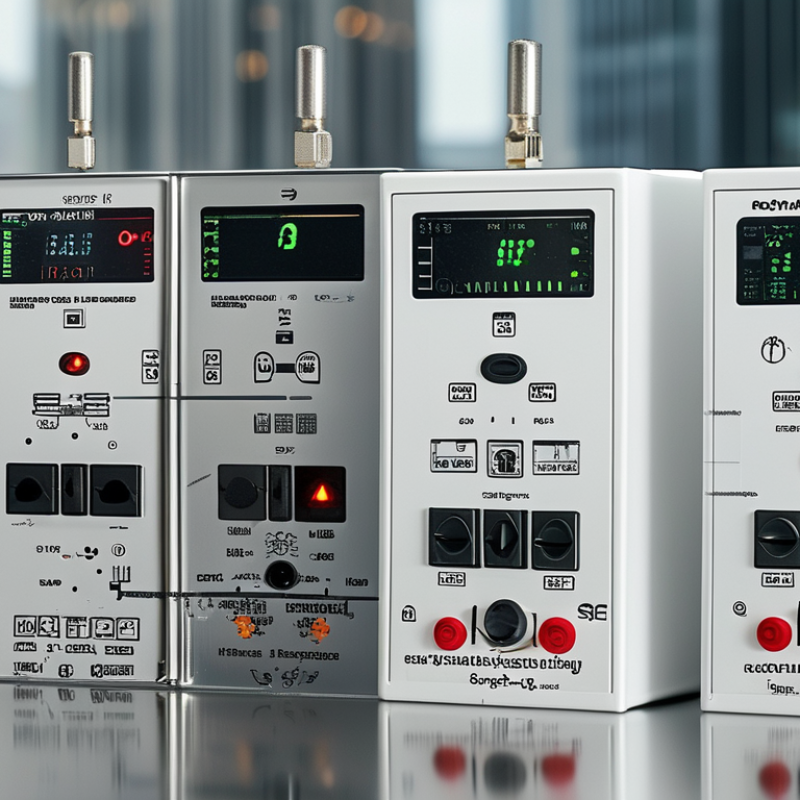
Define Application Needs: IP65–IP69K, Temperature, Load, and Environment
Choosing the right piezo switch begins with the application, not the product photograph. Write down the enclosure rating required at the mounting location. IP65 protects against dust and water jets, while IP67 adds temporary immersion protection. IP69K addresses high-temperature, high-pressure washdown, but it does not replace every environmental test. A switch can meet IP69K and still fail after poor panel installation. Check the gasket, panel thickness, mounting torque, and cable entry.
Temperature deserves equal attention. Review operating and storage ranges, then consider heat from nearby equipment, sunlight, and repeated wash cycles. Cold conditions can stiffen seals and change tactile response. High temperatures may shorten component life or affect adhesives and cables. The electrical load must also match the switch interface. Confirm voltage, current, switching frequency, and whether an external relay or controller is required. Do not judge load by button size. A small panel switch may control a low-current signal, not a motor directly.
Environment changes the decision further. Consider vibration, salt mist, cleaning chemicals, oil, dust, gloves, and repeated impacts. For outdoor equipment, verify UV resistance and condensation performance instead of assuming a sealed housing is enough. A clean bench test can create false confidence. Test the complete assembly under realistic conditions, including the panel, gasket, wiring, controller, and cleaning procedure. Record water ingress, false triggers, temperature peaks, and cable damage during trials.
Compare Piezo Switch Types by 0.5–5 N Actuation Force and Feedback
Choosing the right piezo switch starts with actuation force. A 0.5–1 N switch responds to a light fingertip touch, making it suitable for medical panels, kiosks, and frequent commands. However, accidental activation becomes more likely in vibrating environments. A 1–3 N switch offers a balanced response for industrial controls and public equipment. It feels deliberate without demanding much effort. Switches rated around 3–5 N resist unintended input better, especially near moving machinery, but they may feel tiring during repeated use.
Feedback matters because piezo switches usually have little or no physical travel. Visual feedback, such as an integrated indicator, confirms activation immediately. Audible feedback helps users wearing gloves or working away from the panel. Haptic feedback can improve confidence, although its strength depends on the surrounding enclosure. In practical testing, I compare force with the actual panel material, glove type, and mounting angle. A result that feels perfect on a bench may feel too soft after installation. That is an easy detail to overlook.
Tips: Test at least three force levels with real users. Record missed touches and accidental presses. Check whether feedback remains clear in bright light and noisy rooms. Do not select a 5 N switch only because it feels more robust. A lower force, combined with software confirmation, may provide better usability. Review the datasheet carefully, since force tolerance and feedback performance can vary between designs.
Evaluate Durability: Over 1 Million Actuations and Sealed-Surface Performance
How to Choose the Right Piezo Switch for Your Needs?
A piezo switch should survive more than a showroom demonstration. Look for a rated life above 1 million actuations, then examine how that figure was tested. IEC 61058-1 treats endurance as a controlled test condition, not a promise for every installation. Temperature, load, cleaning chemicals, and mounting pressure can change results. That distinction matters. A switch pressed 300 times daily could reach one million cycles in about nine years, but real environments are rarely so polite.
Sealed-surface performance is equally important. IEC 60529 defines IP protection levels, including resistance to dust and water ingress. For outdoor panels, food equipment, or medical interfaces, request the exact IP rating and test report. A smooth, non-mechanical surface can reduce gaps where moisture and dirt collect. Still, “sealed” does not mean indestructible. Harsh detergents, abrasive gloves, and damaged bezels may weaken protection over time.
Use a simple field trial before approval. Press the switch repeatedly with wet gloves, clean it with the intended agent, and inspect the panel after thermal cycling. Record missed inputs, activation force, and surface damage. The global industrial controls market continues shifting toward durable, low-maintenance interfaces, according to recent MarketsandMarkets research, but broad market growth cannot validate one switch. Ask for sample-specific evidence. One million cycles sounds impressive. It may still be the wrong number.
Select Compliance, Mounting Size, and Total Cost for the Final Design
Choosing a piezo switch starts with compliance, not appearance. IEC 60529 classifies enclosure protection through IP testing, including dust and water exposure. Match the required IP level to the real environment, not the marketing description. A washdown panel may need IP67, while a dry laboratory may not. Also check EMC performance under IEC 61000 testing. A switch can feel perfect and still fail near motors or radio equipment.
Mounting size affects more than installation speed. Measure the panel hole, bezel clearance, actuator travel, cable path, and rear depth. Leave room for gloves and cleaning tools. I have seen compact designs become expensive after a connector touched the enclosure wall. Human-factors research consistently links larger targets with fewer selection errors, especially when users wear gloves. Do not assume the smallest switch saves space.
Total cost includes more than the unit price. Compare tooling, wiring, sealing, validation, replacement access, and expected service life. The 2024 Global E-Waste Monitor reports 62 million tonnes of electronic waste generated in 2022, showing why durable, repairable designs matter. A longer-lived switch may reduce disposal and maintenance costs. However, over-specification also wastes budget. A titanium faceplate is impressive, but unnecessary for a protected indoor panel. Build a simple cost model across five years. Then challenge your assumptions. Your first estimate may be wrong.