How to Choose the Right UPVC Pipe for Your Plumbing Needs?
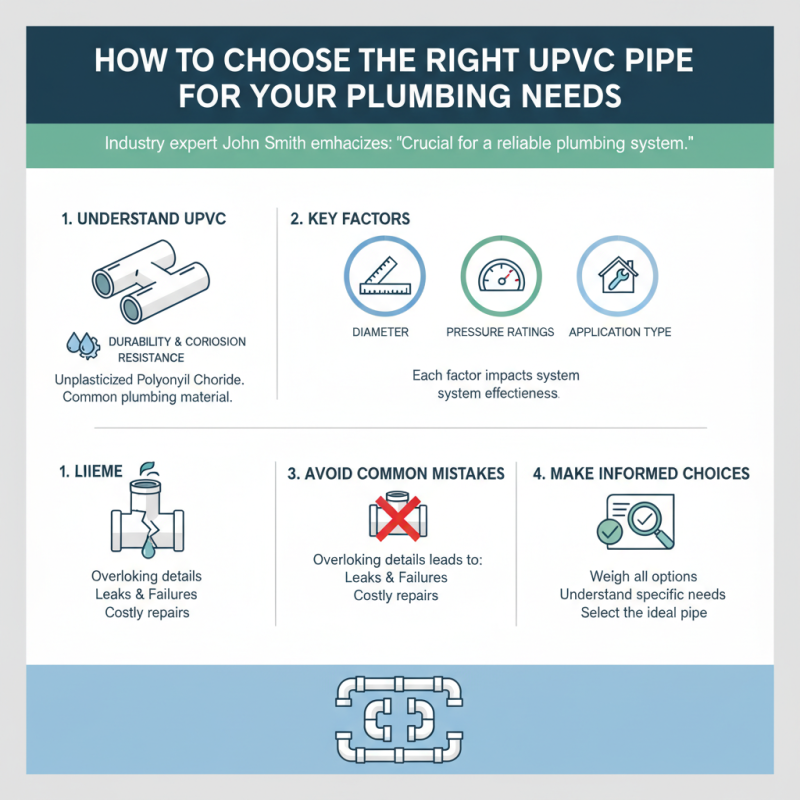
Choosing the right UPVC pipe can be a daunting task. With so many options available, it’s vital to understand the specifics. Industry expert John Smith emphasizes, "Selecting the right UPVC pipe is crucial for a reliable plumbing system." His advice highlights the importance of making informed choices.
UPVC, or unplasticized polyvinyl chloride, is a common material for plumbing. These pipes offer durability and resistance to corrosion, making them ideal for various applications. However, not all UPVC pipes are created equal. Consider the diameter, pressure ratings, and application type. Each factor can significantly impact the effectiveness of your plumbing system.
Many consumers overlook these details. Consequently, they might choose inappropriate pipes, leading to leaks or failures. It’s essential to weigh all options carefully. The wrong choice can result in costly repairs down the line. In the end, understanding your specific needs will guide you in selecting the ideal UPVC pipe for your project.
Understanding UPVC Pipes: Types and Applications
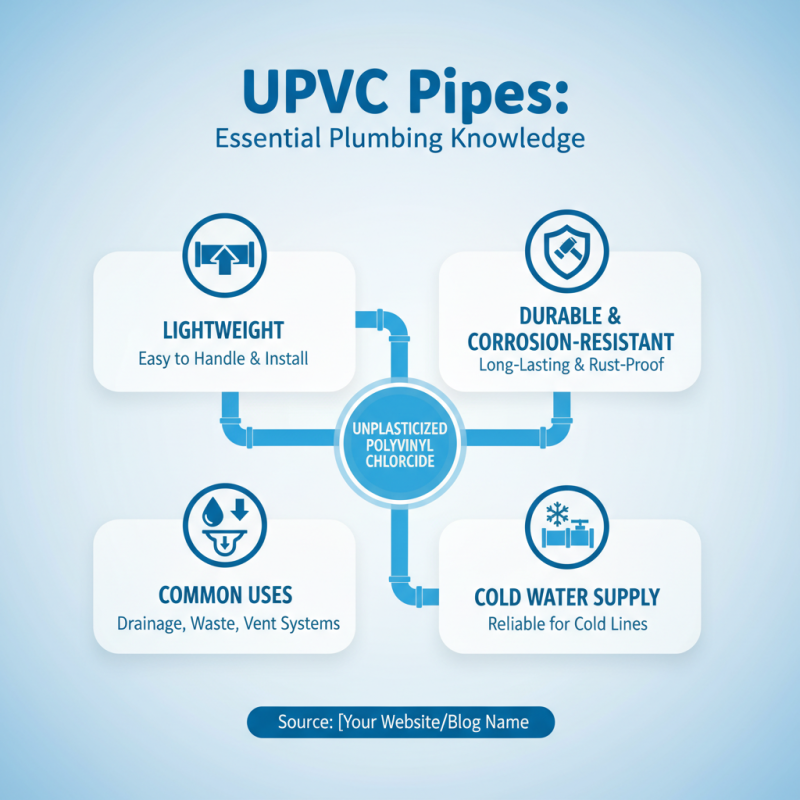
When it comes to plumbing, understanding UPVC pipes is essential. UPVC, or unplasticized polyvinyl chloride, is a popular choice for various applications. These pipes are lightweight, durable, and resistant to corrosion. Many homeowners use them for drainage, waste, and vent systems. They are also effective in cold water supply lines.
There are different types of UPVC pipes available. Some are designed for pressure applications, while others are suitable for non-pressure systems. For example, standard UPVC pipes are often used for drainage, whereas UPVC pressure pipes are ideal for plumbing in high-rise buildings. Each type serves its unique purpose and has specific installation guidelines.
**Tips:**
When choosing UPVC pipes, assess the specific requirements of your plumbing project. Measure the intended pressure and flow conditions. Ensure compatibility with existing systems. Experimenting with different specifications might lead to issues. Consult with professionals if uncertain. Remember, the right choice impacts your plumbing’s efficiency and longevity.
Key Factors to Consider When Selecting UPVC Pipes
When choosing UPVC pipes for plumbing, several key factors are critical. Understanding the pressure ratings is essential. Pipes come in different pressure classes. For home use, pipes with a rating of 6 to 10 bar are typically adequate. Yet, there are instances where higher pressure is necessary. Neglecting this can lead to faulty installations and leaks.
The pipe diameter is equally important. Common sizes range from 20mm to 110mm. Choosing the right diameter ensures proper flow rates. For example, a 25mm pipe can handle a flow rate of 300 liters per hour. However, using an overly large pipe may not provide sufficient water pressure. This can lead to inefficiencies and wasted resources.
Additionally, compatibility with existing systems matters. Not all UPVC pipes fit well with other materials. Mixing materials can lead to deterioration and failure. According to industry reports, over 30% of plumbing failures stem from poor material choices. It’s crucial to consult with professionals to avoid these pitfalls. Evaluating these aspects can make a significant difference in the longevity and effectiveness of your plumbing system.
Sizing UPVC Pipes for Your Specific Plumbing Needs
When selecting UPVC pipes for plumbing, the size is crucial. The right diameter can significantly impact water flow and pressure. Measure your existing pipes carefully. Start by considering the purpose: whether for drainage or supply. Each application requires different sizes to function effectively.
For instance, larger pipes can handle more flow. However, they may be overkill for small residential needs. On the other hand, undersized pipes can restrict water flow. Keeping this balance is vital. Make a note of difficult areas in your plumbing system. These include bends and fixtures that could cause pressure drops.
Always double-check your measurements. Mistakes can lead to poor performance or leaks. When in doubt, consult with a professional. Sometimes, it feels overwhelming to choose the right size. Allow yourself the time to ponder your needs. Take into account future expansions. This foresight can save you trouble later on. Choices made today can impact your system for years.
Comparing UPVC Pipes with Other Pipe Materials
When comparing UPVC pipes with other materials, a few key factors come into play. UPVC pipes stand out for their resistance to corrosion. This makes them suitable for various environments. They are lightweight and easy to install, which saves time and labor costs. However, they may not be as durable in extreme temperatures compared to metal pipes.
Metal pipes, like copper or steel, offer durability. They handle higher pressure well. However, they are heavier, which complicates installation. They can corrode over time too, especially in certain water conditions. Choosing the right pipe often depends on the plumbing system and environmental considerations.
**Tips**: Always consider the water temperature and pressure. If installing outside, factor in climate conditions. Pay attention to fittings and joint types as well. It’s easy to overlook these details, but they impact long-term performance. Remember, no pipe is perfect. Each type has its strengths and weaknesses. Reflecting on your specific needs can lead to better choices.
How to Choose the Right UPVC Pipe for Your Plumbing Needs?
| Pipe Material |
Durability |
Cost |
Ease of Installation |
Resistance to Corrosion |
Weight |
| UPVC |
High |
Moderate |
Easy |
Excellent |
Light |
| PVC |
Moderate |
Low |
Moderate |
Good |
Light |
| Copper |
Very High |
High |
Difficult |
Moderate |
Moderate |
| Galvanized Steel |
High |
High |
Difficult |
Poor |
Heavy |
| HDPE |
High |
Moderate |
Easy |
Excellent |
Light |
Installation and Maintenance Tips for UPVC Pipes
When installing UPVC pipes, proper techniques are crucial. Make sure to cut pipes cleanly to prevent leaks. A report by the Plastics Pipe Institute suggests that even minor imperfections in cutting can lead to significant issues during installation. Be cautious and consider a pipe cutter for precision.
Once installed, maintenance of UPVC pipes is relatively easy but often overlooked. Regular inspections can catch problems early. Pay attention to signs of wear and corrosion, even with UPVC. A study indicated that routine checks can extend the lifespan of plumbing systems by 30%.
Cleaning UPVC pipes should not involve harsh chemicals. Many household cleaners can cause serious damage. Instead, mild soap and water work effectively. Remember that even small carelessness can lead to larger issues down the line. However, sometimes, it's easy to dismiss these tasks under busy schedules.