What Are the Most Common PVC Pipe Sizes for Global Buyers?
When exploring the world of PVC pipes, understanding the various PVC pipe sizes is vital. These pipe sizes play a significant role in plumbing, construction, and various industrial applications. For global buyers, selecting the right size can influence project efficiency and cost-effectiveness. It’s not just about picking any pipe; the size affects water flow, pressure levels, and overall system performance.
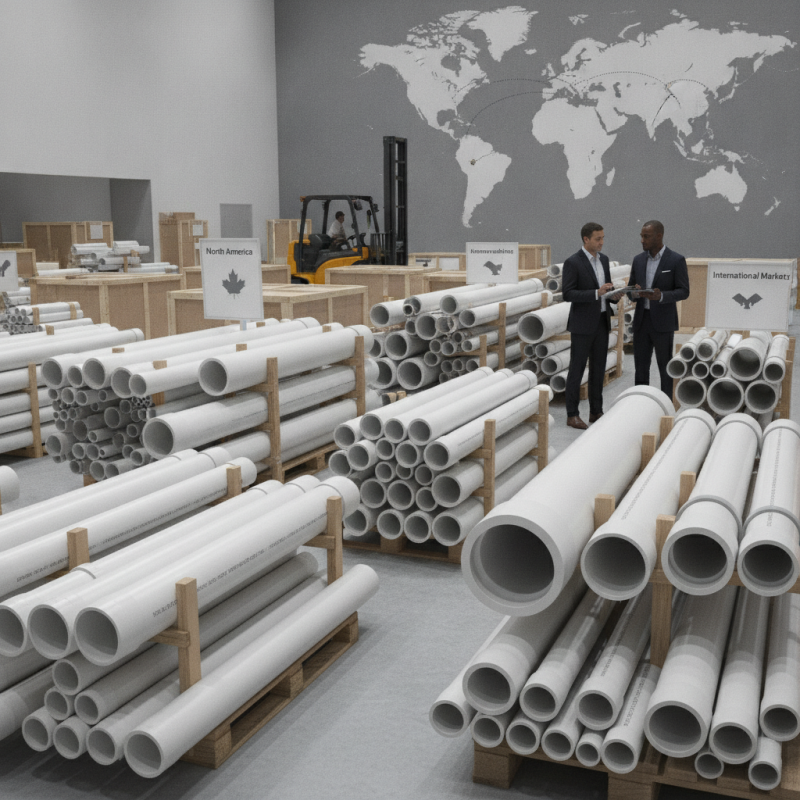
Different regions might favor specific dimensions based on local standards and usage. For instance, in North America, common sizes often range from 1/2 inch to 12 inches in diameter. However, international markets may have their own prevalent sizes. This inconsistency can lead to confusion when sourcing materials overseas.
Additionally, while large diameters might seem appealing for high-flow needs, they can lead to unintended consequences, such as increased costs and unnecessary weight. Understanding these variables is essential for making informed decisions in procurement. Balancing quality and price is crucial, and having expert knowledge about PVC pipe sizes can greatly benefit buyers looking to optimize their projects.
Overview of PVC Pipe Dimensions Used Globally
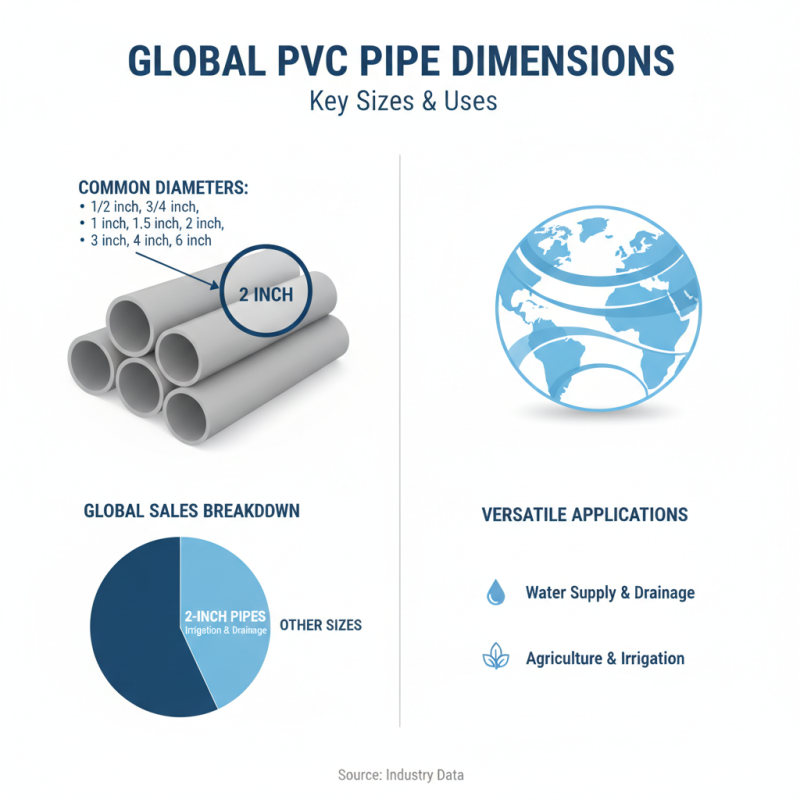
PVC pipes are crucial in various industries globally. Understanding common sizes is essential for buyers aiming for compatibility and efficiency. The most frequently used diameters range from 1/2 inch to 6 inches. According to industry data, 2-inch PVC pipes are especially popular for irrigation and drainage systems, making up a significant percentage of total sales.
In construction and plumbing, the standard sizes vary by region. For instance, North America heavily utilizes 3-inch and 4-inch pipes for waste and vent systems. Meanwhile, in other regions, a mix of metric sizes like 20 mm and 25 mm is common. Industry reports indicate that the global market shows a growing trend toward larger dimensions, with 6-inch pipes gaining traction for industrial applications.
The ongoing shift towards sustainable materials impacts PVC pipe dimensions as well. Buyers are exploring options that align with eco-friendly practices. Factors such as wall thickness and pressure ratings must be considered, as they influence the longevity and efficiency of installations. As demand evolves, manufacturers need to adapt their sizing strategies to meet changing regulations and expectations.
Standard PVC Pipe Sizes and Their Applications
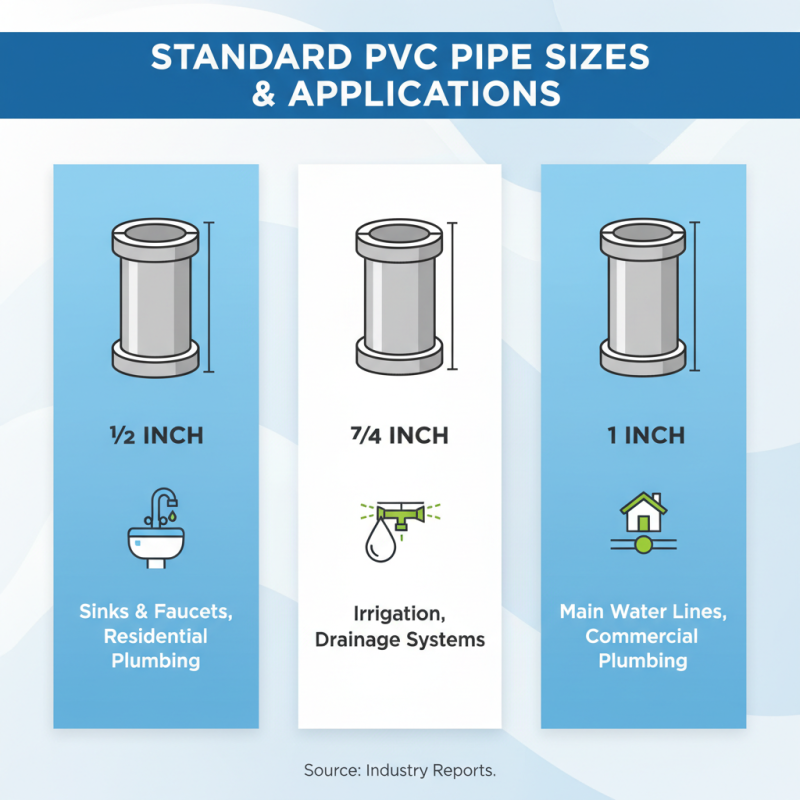
When considering PVC pipe sizes for various applications, standard dimensions play a crucial role. According to industry reports, the most common sizes include ½ inch, ¾ inch, and 1 inch diameters. These sizes are widely used in residential plumbing systems, irrigation, and drainage systems. The ½ inch pipes are often suitable for sinks and faucets, while larger sizes like 1 inch are ideal for main water lines.
In commercial settings, the demand for larger pipes, such as 2 inch and 4 inch, increases significantly. These pipes support industrial plumbing, sewage systems, and heavy-duty drainage. The American Society for Testing and Materials (ASTM) specifies these dimensions to ensure uniformity and safety across projects. However, not all installations adhere strictly to these sizes, leading to challenges in compatibility and integrity.
Interestingly, while the standardization of PVC pipe sizes offers many advantages, some professionals argue that regional differences can complicate global trade. The nuances in diameter sizing can lead to potential misalignments during installation. Additionally, buyers should keep in mind that certifications and quality control are just as important as size specifications to ensure reliable performance.
Factors Influencing PVC Pipe Size Selection
When selecting PVC pipe sizes, several factors come into play. The application is crucial. For water supply, a larger diameter may be necessary. Conversely, for drainage, smaller pipes often suffice. Understanding the specific needs of your project is essential.
Additionally, environmental conditions matter. High-pressure applications require thicker walls for durability. Weather exposure can affect material lifespans too. Always consider these conditions before choosing a size.
**Tips:** Check local regulations to ensure compliance. Consulting with an expert can provide insights tailored to your project. Always measure the space for installation carefully. This can save time during installation. Adjustments after purchasing the pipe can be expensive. Choosing the right size from the start is vital.
Comparison of Metric and Imperial PVC Pipe Sizes
When considering PVC pipe sizes, understanding the differences between metric and imperial measurements is crucial. Globally, both systems are used, but their standards can vary widely. For instance, a common metric size is 20 mm, while the equivalent in imperial would be ¾ inch. Converting these sizes helps manufacturers and buyers communicate effectively in diverse markets.
Industry reports reveal that about 40% of buyers prioritize compatibility with local systems. In the United States, PVC pipes commonly range from ½ inch to 4 inches in diameter. Many European countries prefer metric sizes, like 16 mm to 110 mm. Such discrepancies can lead to confusion during procurement processes.
Buyers must be aware of regional standards. Some countries have strict regulations on plumbing materials. Failure to comply can result in costly penalties. Understanding size specifications is essential not just for installations but also for project budgets. Many professionals find the nuances of these sizes daunting and time-consuming, showcasing the need for consistent education in the field.
Comparison of Common PVC Pipe Sizes
This chart displays the distribution of common PVC pipe sizes among global buyers, highlighting preferences for various dimensions in inches.
Trends and Innovations in PVC Pipe Sizing
The evolving trends in PVC pipe sizing reflect advances in engineering and user demands. Buyers seek versatile options for various applications, from plumbing to agriculture. Innovations in manufacturing have led to more standardized sizes, enhancing compatibility across systems. However, this standardization may not always meet every project's unique requirements.
Sustainability is becoming a focal point. Many manufacturers are exploring eco-friendly materials and production methods. This shift not only reduces environmental impact but can also influence pipe sizing. Buyers may need to balance between traditional sizes and innovative approaches. Customization is still essential, and it's crucial that suppliers are open to discussions about sizing adjustments.
Moreover, the industry faces challenges. With varying regulations in different regions, sizing standards can be inconsistent. Buyers might find it difficult to navigate these differences. Staying informed about local regulations is vital. Ultimately, understanding the nuances in PVC pipe sizing can lead to smarter purchasing decisions.