What is the Current PVC Pipe Price in 2026?
As we approach 2026, understanding the PVC pipe price trend is essential for both consumers and businesses. The construction industry heavily relies on PVC pipes for various applications, making their pricing significant. Currently, the PVC pipe price is influenced by factors such as raw material costs, supply chain dynamics, and market demand.
In recent years, fluctuations in the PVC pipe price have raised questions among industry stakeholders. For instance, manufacturers face challenges from rising production costs. Additionally, the impact of environmental regulations cannot be overlooked. These factors create a complex landscape for pricing, adding to the uncertainty.
While we can anticipate some trends for the upcoming year, predicting exact prices remains difficult. Market shifts and technological advancements may alter pricing structures unexpectedly. It is crucial, therefore, for professionals in construction and plumbing to stay informed. This preparation ensures they can make better decisions regarding PVC pipe purchases in an increasingly volatile market.

Current Market Trends Impacting PVC Pipe Prices in 2026
The PVC pipe market in 2026 faces dynamic shifts. Economic conditions and material costs influence pricing trends. Reports suggest a projected increase of around 5% per year in PVC prices, largely due to rising manufacturing costs. In 2022, the average price of PVC pipe was approximately $0.90 per pound. By 2026, analysts estimate that prices could reach $1.15 to $1.20 per pound.
Demand plays a crucial role in price fluctuations. Infrastructure projects and construction activities drive market growth. According to the Global PVC Pipe Market Report, the sector is expected to expand at a CAGR of 7.2% from 2023 to 2028. This demand, alongside supply chain constraints, fuels prices. However, unexpected market disruptions can lead to price volatility, prompting industry stakeholders to remain vigilant.
In addition, environmental regulations impact the PVC industry. Transitioning to sustainable practices is a challenge for many manufacturers. Some companies are investing in alternative materials, which may influence PVC demand. Moreover, global trade tensions can alter the pricing landscape, making it essential for businesses to adapt strategically. Awareness of these trends will be critical for buyers and sellers alike.
Factors Influencing the Cost of PVC Pipes in 2026
The cost of PVC pipes in 2026 will likely be influenced by various factors. One major influence is the price of raw materials. In recent reports, trends indicate an increase in pricing for petroleum-based products, affecting PVC production costs. Forecasts suggest that by 2026, the price of key feedstocks could rise by 8-10%. This rise will inevitably be reflected in the overall pricing of PVC pipes.
Labor costs also play a crucial role. Skilled labor shortages are emerging in manufacturing sectors worldwide. According to industry studies, labor costs might escalate by approximately 5% annually. Companies face pressure to increase wages, which leads to higher production expenses. This trend could create a ripple effect that impacts pricing for end consumers.
Demand is another vital factor influencing PVC pipe pricing. Construction activities are expected to grow, resulting in a potential surge in demand. Reports estimate that global construction spending will increase by up to 15% by 2026. However, this high demand comes with challenges. Supply chain disruptions and inflationary pressure could create volatility in pricing. The interplay of these factors introduces uncertainty in where the PVC pipe pricing will settle, highlighting the need for careful consideration in budgeting for future projects.
What is the Current PVC Pipe Price in 2026? - Factors Influencing the Cost of PVC Pipes in 2026
| Pipe Diameter (inches) |
Material Type |
Price per Foot (USD) |
Average Cost Increase (%) |
Annual Demand (Million Feet) |
| 2 |
PVC |
$0.75 |
4.5 |
50 |
| 4 |
PVC |
$1.25 |
5.8 |
30 |
| 6 |
PVC |
$2.00 |
6.0 |
20 |
| 8 |
PVC |
$3.50 |
7.2 |
15 |
| 10 |
PVC |
$4.00 |
7.8 |
10 |
Predictions for PVC Pipe Pricing in Different Regions in 2026
The PVC pipe market is showing varied trends across different regions for 2026. According to industry reports, North America is expected to experience a price increase ranging from 3% to 5% annually. This rise is attributed to increased demand and raw material costs. Factors like infrastructure investment and population growth contribute to this demand shift.
In Europe, prices may stabilize, influenced by regulatory changes and sustainability initiatives. Recent studies indicate that European manufacturers focus on eco-friendly production methods, balancing cost and environmental impact. This shift might lead to a temporary price surge of around 2% but could result in more stable prices in subsequent years.
Asia-Pacific is projected to have the most dynamic market conditions. Reports suggest a price fluctuation between
5% to 10% due to rapid urbanization. Countries in this region are investing heavily in infrastructure. Yet, these investments may not uniformly distribute, potentially causing
regional disparities. Some areas may face shortages or surcharges, leading to unpredictable pricing patterns.
Comparative Analysis of PVC Pipe Prices vs. Alternative Materials in 2026
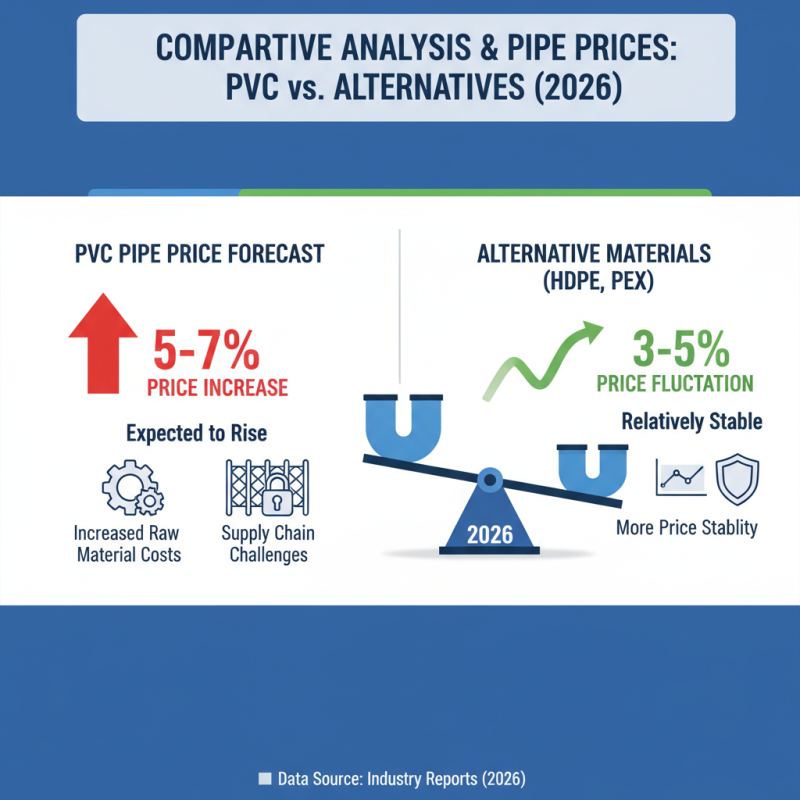
In 2026, the PVC pipe market is expected to face significant changes. Industry reports indicate that PVC pipe prices may rise by 5% to 7% compared to previous years. This hike results from increased raw material costs and supply chain challenges. In contrast, alternative materials like HDPE and PEX have shown more stability in pricing, experiencing fluctuations of just 3% to 5%.
Comparing these options, PVC remains a popular choice for many applications. The material has a lifespan of over 50 years, making it cost-effective in the long run. However, environmental concerns about PVC production and disposal are prompting some industries to adopt alternatives. HDPE pipes, for instance, are becoming favored due to their recyclability and lower carbon footprint. Current data suggests that while PVC is reliable, its environmental impact cannot be ignored.
As industry analysts predict these trends, buyers should weigh not only the cost but also the longevity and environmental factors of each material. Awareness of these nuances is crucial for informed decision-making. Understanding the evolving landscape can provide businesses with strategic advantages as they navigate material selections in an increasingly eco-conscious market.
Supply Chain Dynamics Affecting PVC Pipe Prices in 2026
The dynamics of the supply chain are crucial in determining the price of PVC pipe in 2026. Several factors contribute to fluctuations in pricing. For instance, the availability of raw materials directly impacts cost. Disruptions in production can lead to price hikes. Similarly, transportation issues can inflate costs significantly. Seasonal demand also plays a role, as increased building projects often raise prices.
Tips: Monitor industry news regularly. This can provide insights into supply challenges or new regulations that may influence pricing.
Global trade relations will affect the PVC market. Trade tariffs or changes in import/export policies can create volatility. Manufacturers must adapt to these changes. Over time, this can lead to unpredictable pricing. Staying informed on these trends is essential for consumers and contractors.
Tips: Keep a list of alternative suppliers. It’s wise to have options if prices escalate suddenly. Be prepared for negotiation to secure the best deal.
Current PVC Pipe Prices in 2026
This chart illustrates the projected PVC pipe prices for each quarter of 2026. The prices are expected to rise steadily throughout the year, influenced by supply chain dynamics and market demand.