What is HDPE Pipe Fittings and Why They Matter?
HDPE pipe fittings play a crucial role in many industrial applications. According to industry expert Dr. Jane Smith, "HDPE pipe fittings are essential for ensuring efficiency and durability in piping systems." These fittings are made from high-density polyethylene, a material known for its strength and resistance to environmental stress.
HDPE pipe fittings are used in varied sectors, from water supply to sewage systems. They provide reliable connections that withstand harsh conditions. The versatility of HDPE fittings allows them to adapt to numerous applications, making them highly valued in the construction and manufacturing industries.
However, despite their advantages, some challenges arise. Quality assurance is vital, as subpar fittings can lead to leaks or structural failures. Awareness and education about proper installation techniques are essential for maximizing their benefits. This is where understanding the importance of HDPE pipe fittings truly matters.
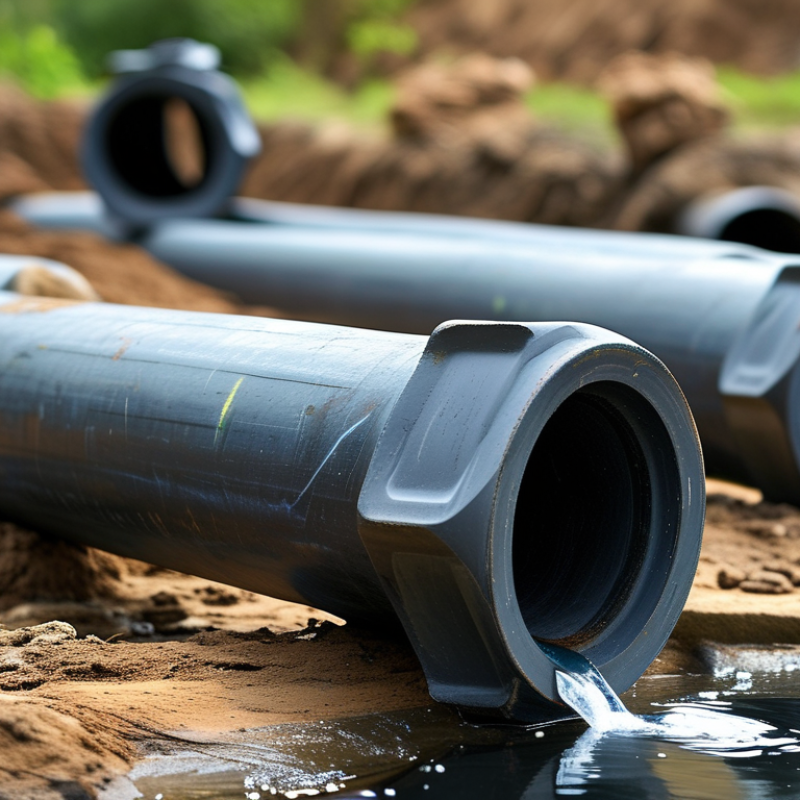
Definition of HDPE Pipe Fittings and Their Composition
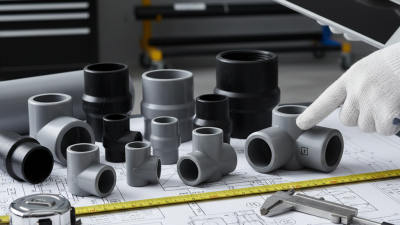
HDPE pipe fittings, or high-density polyethylene pipe fittings, are essential components in piping systems. They are used to connect, join, or transition between pipes of various sizes and shapes. Composed primarily of polyethylene resin, these fittings are resistant to various chemicals and environmental conditions. The superior durability of HDPE ensures a long service life, often exceeding 50 years, according to industry reports.
The composition of HDPE provides unique properties. It is lightweight yet strong, which simplifies installation and handling. These fittings can withstand high pressure and temperature variations, making them suitable for a wide range of applications. The American Society for Testing and Materials (ASTM) states that HDPE fittings maintain performance under harsh conditions, showcasing their reliability in both residential and industrial contexts.
However, there are considerations with HDPE. While the material offers excellent resistance to corrosion, it is susceptible to damage from UV exposure. This means additional measures, like protective coatings, may be necessary for outdoor applications. Additionally, not all HDPE fittings are created equal, and variations in manufacturing can lead to inconsistencies in quality. Therefore, a careful selection process is crucial for ensuring long-term functionality in any project.
Key Properties and Advantages of HDPE Materials
HDPE (High-Density Polyethylene) pipe fittings are essential in various industries. These fittings offer several key properties that make them a popular choice. They are highly resistant to corrosion and chemical exposure. This quality ensures longevity in harsh environments, reducing the need for frequent replacements.
One significant advantage of HDPE materials is their flexibility. Compared to other materials, they can withstand bending and deformation without breaking. This flexibility allows for easier installation in tight spaces. Furthermore, HDPE’s lightweight nature simplifies transport and handling on job sites. Fewer accidents occur due to the reduced risk of injury from heavy materials.
Another vital aspect of HDPE fittings is their low friction coefficient. This property enhances flow efficiency in pipelines. However, it’s important to note that improper installation can lead to significant issues. This potential for error highlights the need for well-trained professionals during installation. Observing best practices can mitigate these risks and maximize performance.
Common Applications of HDPE Pipe Fittings in Various Industries
HDPE pipe fittings are essential in various industries due to their durability and resistance to chemicals. Many applications benefit from these fittings.
For instance, in agriculture, they transport water efficiently, ensuring crops receive adequate irrigation. The fittings are tough, able to withstand high pressure and harsh environmental conditions.
In the construction industry, HDPE pipe fittings are frequently used for water supply systems. Their lightweight nature simplifies installation, saving time and labor costs. Additionally, they resist corrosion, which prolongs the lifespan of the piping system. These features are particularly valuable in urban settings where infrastructure demands reliability.
When considering HDPE fittings, it’s crucial to assess the specific needs of your project. Not all fittings are equal in terms of performance and compatibility. Choosing the right type can significantly impact efficiency.
Also, ensure proper installation to avoid leaks. Small mistakes can lead to larger issues down the line. Seeking consultations from experienced professionals can enhance decision-making. Always prioritize quality and suitability over cost.
Installation and Maintenance Considerations for HDPE Fittings
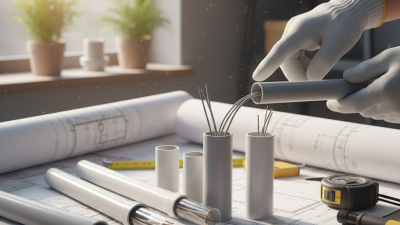
When it comes to HDPE pipe fittings, proper installation is crucial. Ensure that the fittings match the pipe dimension accurately. Use the right tools to make clean cuts. A poorly cut pipe can lead to leaks over time. It’s essential to follow installation guidelines closely. Misalignment during installation can compromise the integrity of the connections. Waterproofing the joints often requires specific methods. Incorrect sealing can result in water infiltration, leading to larger issues.
Maintenance is another critical aspect many overlook. Regular checks should be part of your routine. Look for signs of wear or stress on the fittings. In some cases, colors can fade, signaling potential UV damage. It does not always mean immediate failure, but it warrants close monitoring. Cleaning the fittings regularly helps maintain their lifespan. Debris can build up, affecting water flow. While HDPE is durable, neglecting these simple tasks may lead to bigger, more costly problems later on.
What is HDPE Pipe Fittings and Why They Matter?
| Dimension |
Specification |
Typical Applications |
Maintenance Notes |
| 25 mm |
SDR 11 |
Water Distribution |
Inspect for leaks annually. |
| 32 mm |
SDR 13.5 |
Irrigation Systems |
Check fittings for wear every 6 months. |
| 50 mm |
SDR 17 |
Sewage Systems |
Flush system yearly to prevent blockage. |
| 63 mm |
SDR 21 |
Industrial Applications |
Lubricate joints as needed. |
| 75 mm |
SDR 26 |
Gas Distribution |
Inspect for corrosion and leaks periodically. |
Environmental Impact and Sustainability of HDPE Products
HDPE pipe fittings play a crucial role in various industries. They are lightweight, durable, and resistant to chemicals. However, their environmental impact deserves attention. HDPE, or high-density polyethylene, is derived from petroleum. This origin raises questions about sustainability. Recycling options exist, but the process is not straightforward. Many HDPE products end up in landfills, contributing to pollution.
The production of HDPE releases greenhouse gases. This fact challenges its perceived sustainability. Yet, HDPE products can last a long time, potentially reducing the need for replacements. Their longevity can be seen as a positive trait in reducing waste. However, the energy required for production must also be considered. Each step in its lifecycle, from production to disposal, affects our environment.
Innovation in recycling technology may improve HDPE’s sustainability. Increasing awareness can drive changes in consumer behavior. Education on proper disposal and recycling processes is vital. While HDPE fittings offer benefits, they also present challenges. It is essential to weigh these factors when choosing materials for projects.