What is the Importance of Pipe Fittings in Modern Plumbing Systems?
Pipe fittings are crucial components in modern plumbing systems. They connect pipes and enable the efficient flow of water and gas. Without these fittings, plumbing systems would be inefficient and prone to failures.
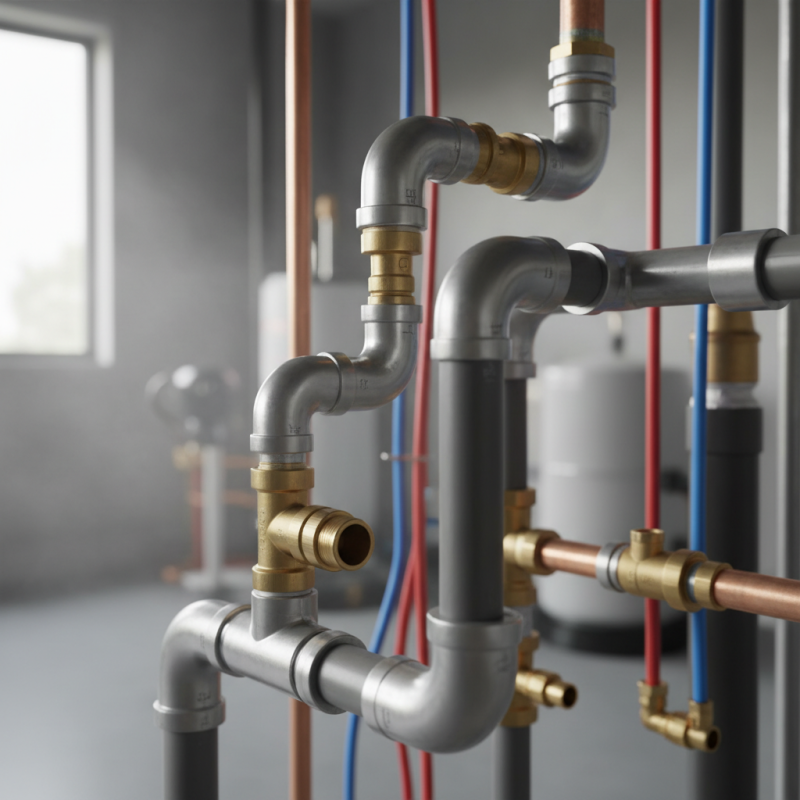
In homes and buildings, pipe fittings come in various types and sizes. For instance, elbows help redirect the flow of water at different angles. Tees allow for branching off into separate directions. Each fitting plays a vital role in maintaining the system's integrity. However, not all fittings are created equal. Poor quality pipe fittings can lead to leaks and other issues.
Reflecting on the role of pipe fittings encourages better choices in plumbing projects. Choosing the right materials and designs impacts overall system performance. A single faulty fitting can cause chaos in an entire plumbing system. Understanding the importance of these components helps ensure long-lasting and reliable plumbing solutions.
Definition and Overview of Pipe Fittings in Plumbing Systems
Pipe fittings are essential components in modern plumbing systems. They connect pipes, allowing for a seamless flow of water and other fluids. These fittings also help change the direction of pipes, accommodating different layouts and designs. For instance, 70% of plumbing issues arise from improper installation of these fittings. A well-designed system hinges on quality fittings.
Fittings come in various shapes and sizes, including elbows, tees, and couplings. Each has a specific purpose. Elbows help redirect flow, while tees allow for branching. In residential plumbing, a single bad fitting can cause leaks. This not only wastes water but can also lead to significant property damage. A recent report noted that leaking pipes account for about 14% of water use in homes.
Choosing the right materials for fittings is crucial. Common options include PVC, copper, and stainless steel. Each material has pros and cons. For example, PVC is lightweight and resistant to corrosion, but it may not withstand high temperatures. Conversely, copper is durable but expensive. Homeowners often overlook these factors. This oversight can lead to expensive repairs and inefficiencies. A thoughtful approach to selecting pipe fittings is vital for any plumbing system.
Types of Pipe Fittings and Their Specific Functions
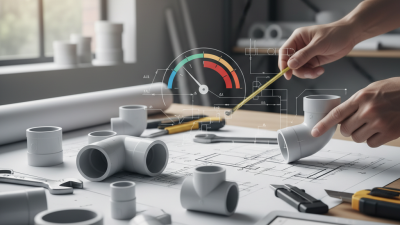
Pipe fittings play a crucial role in modern plumbing systems. They connect pipes and help control the flow of water. There are many types of pipe fittings, each with specific functions. Elbows change the direction of pipes, while tees allow connections to three different pipes. Couplings connect sections of the same pipe, ensuring a secure fit.
Using the right type of fitting is essential. For instance, using a reducer changes pipe diameters efficiently. However, improper fittings can lead to leaks. This may seem small, but it can cause bigger problems over time. Regular maintenance checks can help spot issues early.
Tip: Always choose fittings that match your pipe material. Mismatched fittings can weaken joints. This can lead to disasters you might regret. Stay informed about the types of fittings available. Understanding their functions will enhance your plumbing experience. Remember, mistakes are part of learning. Don't rush the process.
Role of Pipe Fittings in Ensuring Water Flow and Pressure
Pipe fittings play a crucial role in modern plumbing systems. They ensure that water flows smoothly through pipes while maintaining pressure. This is vital for both residential and commercial buildings. Without proper fittings, leaks or pressure loss can occur. These issues can lead to water wastage and costly repairs.
Different types of fittings serve unique purposes. Elbows change the direction of pipes, while couplings connect two pieces. Flanges provide a strong seal between straight pipes. Each fitting must fit perfectly to function well. A poorly fitted piece can cause significant problems. Sometimes, even a small gap can lead to leaks.
Choosing the right materials is equally important. Metal fittings may corrode over time. Plastic fittings can crack under pressure. Adapting to specific conditions is necessary. Learning from past mistakes helps improve long-term performance. Innovations in plumbing technology also offer better solutions. However, it is essential to analyze and adjust when issues arise.
Importance of Pipe Fittings in Modern Plumbing Systems
This chart illustrates the percentage of various types of pipe fittings commonly used in modern plumbing systems. Understanding the composition of pipe fittings is crucial as they play a significant role in ensuring efficient water flow and adequate pressure in plumbing installations.
Impact of Quality Pipe Fittings on System Longevity and Efficiency
In modern plumbing systems, the role of pipe fittings is crucial. Quality pipe fittings significantly influence the longevity and efficiency of these systems. For example, research shows that systems with high-quality fittings last 20% longer than those with inferior options. This is a substantial difference in durability, reflecting the importance of every component in the system.
Moreover, the efficiency of plumbing systems greatly depends on pipe fittings. A report indicated that leaks due to poor fittings can reduce overall system efficiency by up to 15%. This highlights the need for careful selection and installation processes. If fittings are not aligned properly, the consequences can be severe, leading to increased maintenance costs.
In many cases, builders overlook these small but critical parts. Investing in quality pipe fittings could seem like a luxury but is a necessity for reliable plumbing. The initial costs might be higher, but the long-term savings are evident. Improving plumbing system reliability requires attention to detail, particularly in fittings. The wrong choices can lead to frustrating outcomes.
Common Maintenance Practices for Pipe Fittings in Plumbing安装
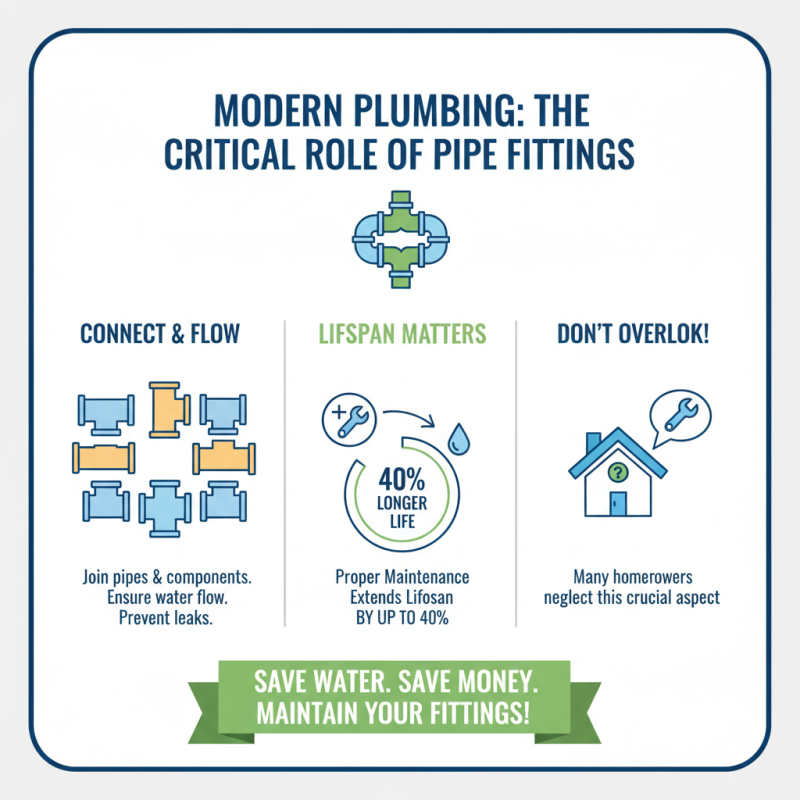
Pipe fittings play a critical role in modern plumbing systems. They connect various pipes and components, ensuring water flow and preventing leaks. According to industry reports, proper maintenance of these fittings can extend their lifespan by up to 40%. Yet, many homeowners overlook this crucial aspect.
Regular inspections are vital. Checking for rust, corrosion, or cracks can prevent larger issues. For example, a small leak at a joint can lead to significant water damage over time. Replacing old fittings is often necessary. This not only improves system efficiency but also ensures safety in water delivery. Professionals recommend a thorough system check every five years.
Flushing the system is another important practice. Sediments can build up in fittings. This buildup restricts water flow and causes pressure fluctuations. To maintain optimal performance, homeowners should flush their plumbing systems annually. Simple steps can go a long way. Ignoring these practices can result in costly repairs and inconvenient disruptions. In plumbing, small details matter significantly.