7 Outdoor Post Lights Buying Tips for Global Buyers
Choosing Outdoor Post Lights for international projects is rarely as simple as comparing prices online. Climate, voltage, installation methods, and local expectations can change the right decision.
A coastal hotel may need corrosion-resistant aluminum and sealed connections. A garden pathway may require softer light, lower wattage, and reliable dusk-to-dawn control. Check the product’s IP rating, material thickness, lamp efficiency, and tested electrical compatibility. Small details matter.
Packaging matters too.
During supplier evaluations, request clear datasheets, sample units, test reports, and installation instructions. Inspect the finish closely. Uneven coating, loose seals, or weak threads often reveal larger quality concerns. Verify warranty terms, replacement parts, production capacity, and communication speed before placing a large order. A low quotation may hide expensive failures later.
These seven buying tips are designed for global buyers who need practical guidance, not attractive product photos alone. They consider performance, safety, maintenance, logistics, and long-term value. Still, no checklist is perfect. Local building requirements can differ, and even reputable suppliers may provide incomplete information. That is why independent verification remains worthwhile.
Look beyond appearance. Think about rain, dust, salt air, frost, delivery damage, and future repairs. The best Outdoor Post Lights should suit the site, support dependable operation, and remain commercially sensible. Careful questions may slow the purchase slightly. They can also prevent costly surprises.
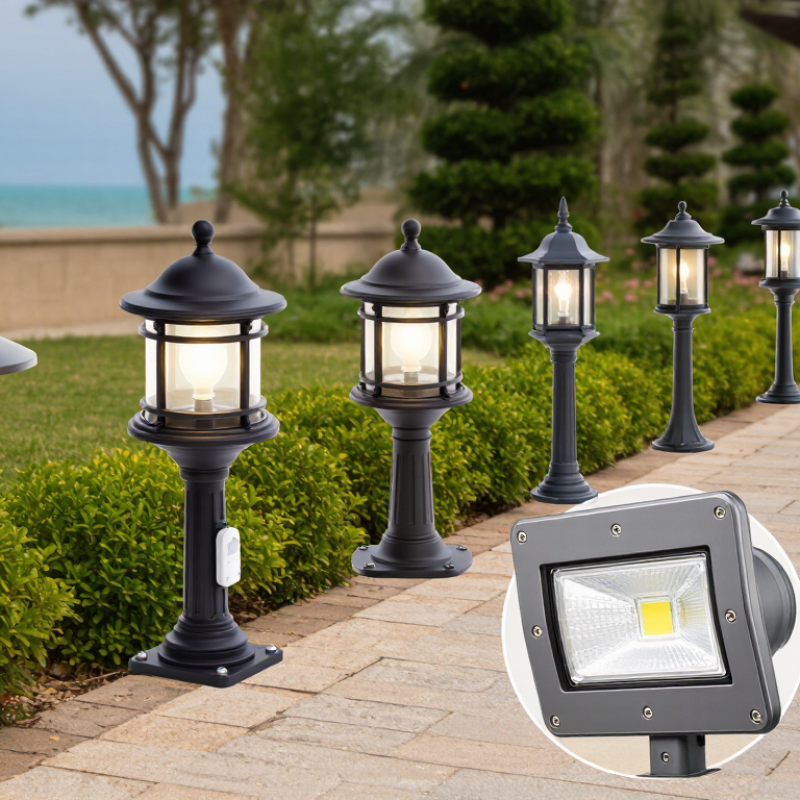
Define Outdoor Post Light Needs by Location, Purpose, and Climate
7 Outdoor Post Lights Buying Tips for Global Buyers
Define outdoor post light needs by location, purpose, and climate. A driveway needs wider light distribution than a narrow garden path. Measure post spacing, mounting height, and walking routes before comparing fixtures. Keep glare away from bedroom windows and neighboring properties. Good placement matters more than impressive lumen numbers.
Purpose should guide the optical design. Wayfinding favors soft, even illumination. Security areas may require stronger output, motion controls, and fewer dark gaps. Decorative entrances often need lower brightness and warmer color temperatures. The International Energy Agency reports that lighting uses about 15% of global electricity consumption. Selecting efficient LEDs can reduce operating demand; the U.S. Department of Energy reports that LEDs use at least 75% less energy and last up to 25 times longer than incandescent lighting.
Climate changes the specification. Wet regions need suitable ingress protection under IEC 60529, while coastal sites need strong corrosion resistance. Freeze-thaw conditions can expose weak seals. Hot climates can shorten driver life without proper heat management. Check rated operating temperatures, drainage, cable protection, and replacement access. Do not trust appearance alone. A bright sample may still create harsh shadows, and a high IP rating does not automatically prevent salt corrosion. Even experienced buyers can overlook maintenance distance and local installation practices. That oversight is expensive.
Outdoor Post Light Buying Guide: Match IP Protection to Location
The chart uses the two digits of the IEC 60529 IP code: the first digit indicates protection against solid particles, while the second indicates protection against water. Use the location, purpose, and climate to select a suitable outdoor post light enclosure.
IP44 is commonly suitable for sheltered entrances and covered paths. IP54 or IP55 offers improved protection for exposed residential areas, while IP65 and IP66 are better suited to heavy rain, coastal exposure, and locations that may require hose cleaning. IP ratings do not measure corrosion resistance, so coastal buyers should also consider marine-grade materials and protective coatings.
Check Installation Requirements, Electrical Standards, and Local Regulations
Global buyers should verify installation requirements before comparing finishes, brightness, or prices. Outdoor post lights may require concrete footings, buried conduits, drainage, and service access. Ask for mounting dimensions and cable-entry details. A beautiful fixture can fail when its base plate does not match the foundation.
Electrical compliance varies by destination. Check IEC 60598-1 for luminaire safety and IEC 60529 for ingress protection ratings. An IP65 rating may resist dust and water jets, but it does not guarantee safe installation in every climate. Confirm voltage, frequency, earthing, cable insulation, and residual-current protection with a qualified local electrician. In the United States, National Electrical Code requirements may affect burial depth, junction boxes, and outdoor wiring. European projects may also require conformity with low-voltage and electromagnetic-compatibility rules.
Small details matter. Very much.
The International Energy Agency reports that lighting uses about 15% of global electricity. Efficient equipment helps, but poor installation can erase expected savings. Request test reports, wiring diagrams, photometric files, and declarations of conformity before ordering. Check whether documents apply to the exact model, not a similar series. No checklist is perfect. Teams still overlook local planning rules, especially in heritage areas or coastal zones. Salt spray, flooding, and frost deserve separate review. Treat local approval as a design input, not paperwork added at the end.
Assess Suppliers, Certifications, Shipping Costs, Warranty, and Support
Outdoor Post Lights Buying Tips for Global Buyers
Assess the supplier before comparing prices. Request company registration, factory photos, production capacity, and recent export references. Ask for a sample before placing a large order. A polished catalog proves little. Ask for test reports covering electrical safety, ingress protection, corrosion resistance, and light performance. Certification requirements differ by destination, so verify documents with local authorities or an independent testing body. Check that the report matches the exact model, not a similar product. Ask for evidence.
Shipping costs can change the real purchase price. Request quotes based on packed dimensions, gross weight, delivery terms, insurance, and destination charges. Outdoor lights often need strong cartons, inner protection, and moisture control. Cheap packaging may create expensive damage. Confirm whether duties, port fees, and residential delivery charges are excluded. Compare air, sea, and rail options when timing allows. Shipping surprises hurt.
Read the warranty in detail. Check its duration, covered parts, labor limits, exclusions, and claim procedure. Ask how replacement drivers, lenses, or mounting hardware will be supplied. Support should include installation drawings, wiring guidance, spare-part access, and a named contact. Test response quality before ordering by sending technical questions. Slow replies now may become painful after installation. I have seen buyers focus too heavily on certification labels and overlook after-sales delays. That is a useful warning, though supplier performance can still change over time. Keep every promise in writing.