What is PVC Tube and How to Choose the Right One?
PVC tube is a versatile material widely used in various applications. Its durability and flexibility make it a popular choice for plumbing, electrical insulation, and even crafting. When selecting a PVC tube, it is essential to consider its specifications and intended use.
Choosing the right PVC tube involves understanding factors like diameter, thickness, and application. A tube that is too thin may not withstand pressure, while one that is too thick can be unnecessarily heavy. It is important to assess your project requirements carefully to avoid mistakes.
Experts suggest that users should also evaluate the environment where the PVC tube will be installed. UV exposure, temperature changes, and chemicals can influence performance. A thoughtful approach ensures the chosen tube meets specific needs and stands the test of time. Remember, the right choice can significantly enhance your project's success.
What is PVC Tube and Its Common Applications
PVC tubes are widely used in various industries due to their versatility and durability. Common applications range from plumbing to electrical insulation. According to a recent industry report, the global PVC market is expected to reach $75 billion by 2026, highlighting its importance.
In construction, PVC tubes often serve as conduits for electrical wiring. Their resistance to moisture and corrosion makes them ideal for underground installations. The agriculture sector also benefits from PVC tubes for irrigation systems. Their lightweight nature allows for easy handling and installation, while their durability ensures a long service life.
However, not all PVC tubes are created equal. Understanding specifications is essential. Factors like thickness and pressure rating influence a tube's performance. Some industries report issues with cheaper PVC products failing under pressure. Always consider the intended application when choosing a PVC tube.
What is PVC Tube and How to Choose the Right One?
| Dimension |
Type |
Application |
Diameter (inches) |
Length (feet) |
| Schedule 40 |
Rigid PVC |
Drainage Systems |
2 |
10 |
| Schedule 80 |
Rigid PVC |
Chemical Transfer |
3 |
20 |
| Clear PVC |
Flexible |
Medical Applications |
1 |
30 |
| Vinyl Tubing |
Flexible PVC |
Aquarium Systems |
0.5 |
50 |
| Polyester Reinforced PVC |
Flexible |
Industrial Hose |
2 |
25 |
Types of PVC Tubes: Understanding the Differences
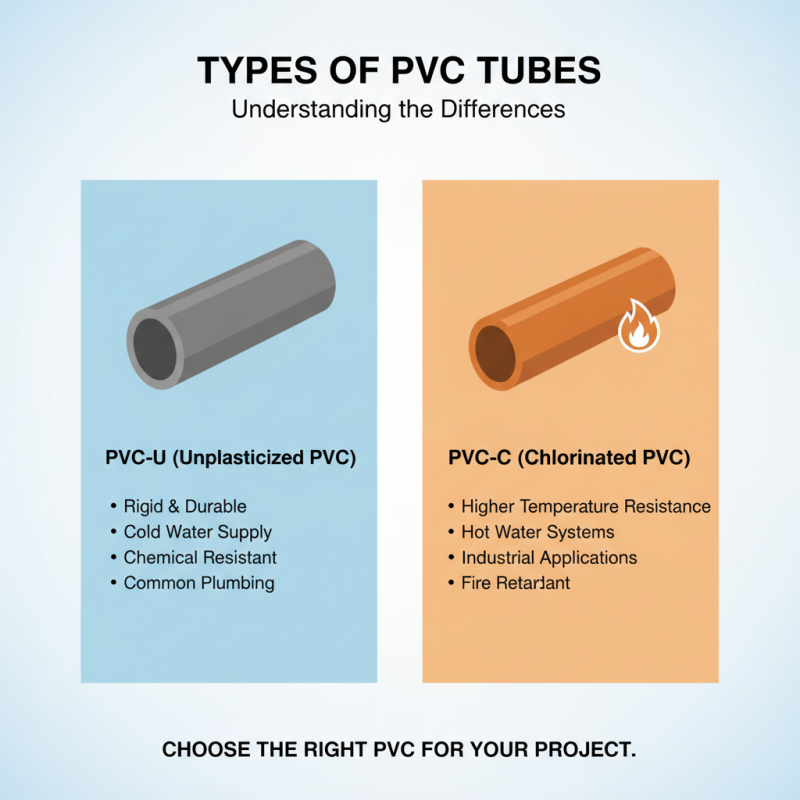
When it comes to PVC tubes, understanding the types available is crucial for making an informed choice. PVC, or Polyvinyl Chloride, is widely used across industries for its durability and versatility. Different types exhibit varying properties suited for specific applications. For instance, PVC-U tubes are rigid and ideal for water supply systems, while PVC-C tubes can withstand higher temperatures, making them suitable for hot water systems.
According to a report by Research And Markets, the global PVC pipe market size was valued at approximately $60 billion in 2022. This figure highlights the material’s popularity across construction and plumbing sectors. Another important category is flexible PVC tubes, which are often used in medical applications. Their softness and flexibility make them suitable for situations requiring a high level of precision and safety.
Moreover, it’s vital to consider the wall thickness and diameter of the tube. These factors can significantly affect the flow rate and pressure resistance. Additionally, not all PVC tubes are suitable for the same applications. Misuse can lead to failures, creating safety hazards. Always ensure the selected PVC tube complies with industry standards for the specific use case. Quality assurance is essential, and being informed can prevent costly mistakes.
Factors to Consider When Choosing PVC Tube
When choosing a PVC tube, several key factors play a crucial role.
Diameter and wall thickness are essential considerations.
A larger diameter allows increased flow, while wall thickness affects durability.
Industry reports suggest that tubes with a 25% thicker wall can handle higher pressures,
making them ideal for construction and industrial applications.
Chemical resistance is another critical factor.
PVC is known for its resistance to corrosive substances. However, not all PVC tubes offer equal protection.
In fact, certain additives can enhance resistance, but industry data indicates that they may compromise flexibility.
It's vital to assess the specific chemicals the tube will encounter to avoid potential failure.
Temperature tolerance also significantly influences your choice.
Some PVC tubes can withstand temperatures up to 140°F (60°C).
Conversely, exposure to extreme heat may lead to deformation. Users often underestimate this, leading to improper applications.
Understanding the environmental conditions is essential for ensuring performance and longevity.
Selecting the right PVC tube requires careful reflection on these factors.
How to Measure and Cut PVC Tubes Properly
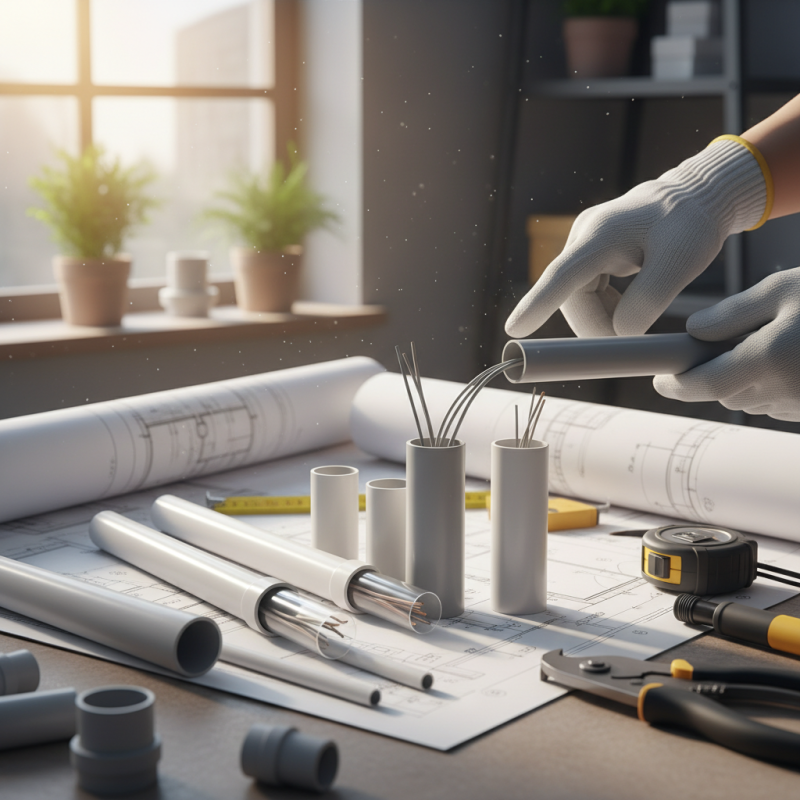
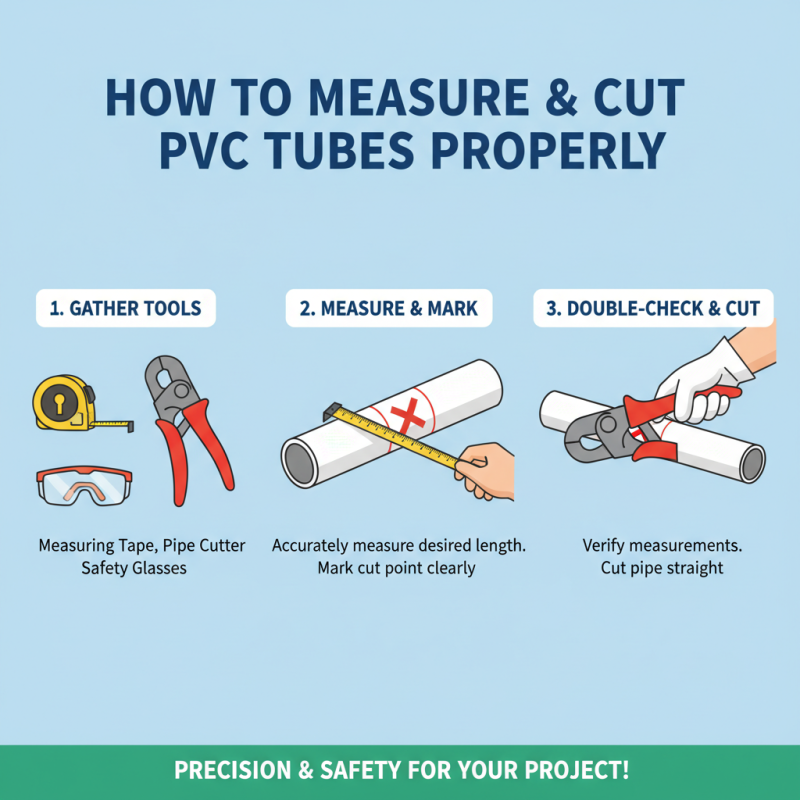
Measuring and cutting PVC tubes correctly is essential for any project. To start, gather essential tools: a measuring tape, a pipe cutter, and safety glasses. This will ensure precision and safety throughout the process. Measure the desired length of the PVC tube accurately, marking the cut point clearly. It's crucial to double-check your measurements. Mistakes at this stage can lead to wasted material and time.
When cutting, use a pipe cutter for a clean, straight edge. If you're using a saw, ensure that your cuts are straight and smooth. Uneven cuts can result in leaks or poor fitting. Take your time with this step. Rushing can result in poor quality cuts that may not fit other components. Always wear safety glasses for eye protection, regardless of how simple the task seems.
After cutting, inspect the edges. If they are rough, use a deburring tool or sandpaper to smooth them out. This will help prevent damage to fittings and ensure a better seal. Handle the cut pieces carefully, as sharp edges can cause injury. Proper measurements and cuts can seem trivial, yet they are the foundation of a successful project. Each step deserves attention to detail for the best results.
Maintenance and Care Tips for PVC Tubes
When using PVC tubes, proper maintenance is essential for their longevity and effectiveness. Studies show that regular inspections can increase the lifespan of PVC up to 25%. Regular cleaning prevents the buildup of algae and other contaminants. A mixture of mild detergent and water, used with a soft cloth, works well. Avoid abrasive cleaners, as they can damage the surface.
Humidity and temperature changes can affect PVC tubes. Store them in a stable environment. Extreme conditions may lead to warping or cracking. Make sure to check the installation frequently. Loose fittings can lead to leaks. Tighten connections as needed while being careful not to overtighten, which can cause stress fractures.
Professional sources indicate that UV exposure can degrade PVC material over time. If your tubes will be exposed to sunlight, consider protective measures. This can include painting with UV-resistant coatings. Even small steps in maintenance can make a big difference. Keep in mind that neglect can lead to significant repair costs.