
Choosing reliable suppliers requires more than attractive catalog images. This guide examines China Top 10 Grass Wall Panel Manufacturers through practical, verifiable criteria. These criteria include material quality, production experience, customization ability, export records, and after-sales support.
A dependable Grass Wall Panel manufacturer should explain its materials clearly. Ask whether the panel uses PE, PVC, polyester, or blended fibers. Check the backing, surface density, UV resistance, moisture tolerance, and fire-performance documentation. Request physical samples. Touch the blades, inspect the seams, and compare color consistency under natural light. Small details matter.
Look beyond showroom claims. Review factory photographs, quality-control procedures, sample approval steps, and packaging methods. A strong supplier should provide accurate dimensions, realistic production schedules, and transparent minimum order quantities. It should also answer technical questions without vague promises. Experience helps here. A buyer who checks one sample carton can avoid a costly shipment problem.
However, every ranking has limits. Manufacturer capabilities can change, and online information may become outdated. Therefore, readers should independently confirm certificates, test reports, business registrations, and recent customer references. Pricing alone is not enough. A cheaper panel may fade sooner, shed fibers, or require more installation work. The companies discussed in this guide represent useful starting points, not automatic purchasing decisions. Compare carefully, document every agreement, and test performance before committing to a large order. That is the less glamorous part. It is also the most reliable.
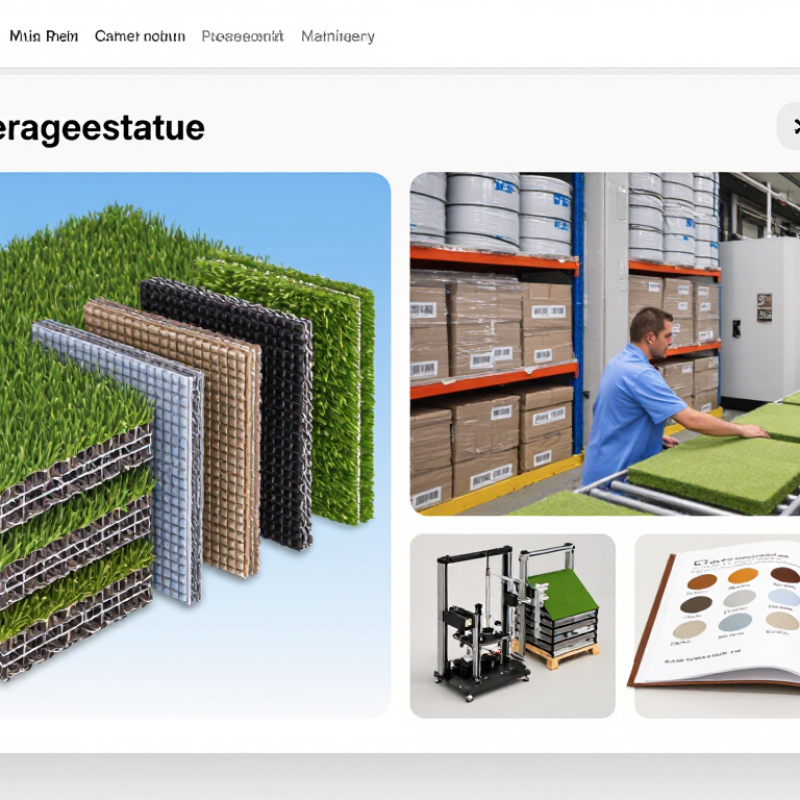
Grass wall panels are decorative or acoustic surfaces that imitate the texture of natural grass. They are commonly made from preserved plant fibers, synthetic grass, recycled polymers, wood-based boards, or layered composites. The visible layer may be bonded to felt, foam, or a rigid backing. This structure affects weight, sound absorption, moisture resistance, and installation methods. In practice, strong sunlight can change a panel’s appearance, so samples should be tested before large orders.
Interior designers use grass wall panels in reception areas, restaurants, offices, retail displays, bedrooms, and media rooms. Textured surfaces soften hard interiors and may reduce echo when paired with acoustic backing. They are not a replacement for certified fire-rated construction. In humid rooms, sealed synthetic materials often perform better than untreated natural fibers. However, water-resistant does not mean waterproof. Keep panels away from leaks and direct heat.
A reliable specification should state the fiber type, backing density, panel thickness, fire classification, VOC data, cleaning method, and expected service life. Experienced installers check wall flatness and leave suitable expansion gaps before applying adhesive. Hidden defects can appear later. Maintenance is usually simple: gentle vacuuming and a dry cloth. Aggressive brushing may flatten the texture. Some designs look convincing in photographs but feel artificial up close, making physical samples the safer choice.
Evaluating Chinese grass wall panel manufacturers requires more than checking photographs. Grand View Research valued the global wall panels market at about USD 14.3 billion in 2022, with a projected 6.1% annual growth rate through 2030. This expansion increases supplier choice, but also increases quality differences. Buyers should inspect factory samples, production records, and material declarations. A reliable manufacturer can explain fiber composition, backing structure, UV resistance, and colorfastness testing without vague promises.
Physical details matter. I look closely at tuft density, uneven edges, loose fibers, and the smell of adhesive. Small faults often appear after bending a panel several times. Independent laboratories should verify flame behavior, weather resistance, and restricted substances. ISO 9001 certification supports process control, but it does not guarantee attractive or durable panels. That distinction is frequently missed.
Production consistency deserves special attention. Compare samples from different batches, not only one carefully prepared piece. The International Trade Centre’s trade data shows China remains a major global manufacturing and export base for interior finishing products, making traceability essential. Ask for batch numbers, inspection photos, packaging tests, and replacement procedures. A factory may pass one inspection and still disappoint later. That is why transparent records, responsive engineers, and realistic lead times should influence the ranking as much as price.
China’s Top 10 Grass Wall Panel Manufacturers are gaining attention as demand for realistic, low-maintenance greenery grows. Recent analyses from Grand View Research and Mordor Intelligence indicate that the artificial plants market is expanding at roughly 5% annually. This growth reflects stronger interest in biophilic interiors, commercial landscaping, and hospitality design. Yet, a “top ten” list should measure more than export volume. Product consistency matters.
Experienced buyers should examine grass blade density, color variation, backing strength, UV resistance, and drainage design. A dense panel may look attractive indoors but fade quickly under intense sunlight. Fire performance also requires documented testing for the destination market. Reliable manufacturers can provide batch samples, technical sheets, inspection records, and installation guidance. The International Organization for Standardization highlights consistent quality systems as a foundation for dependable manufacturing. Still, certificates do not replace hands-on inspection.
Tips: Request a 30-by-30-centimeter sample before ordering. Rub the surface gently and check for loose blades. Compare color under daylight and warm lighting. Ask about replacement panels and production lead times. Cost is not the only warning sign. An unusually low quote may hide thinner backing, weaker clips, or inconsistent density. I have found that small sample checks often reveal problems large catalog images conceal. Even careful rankings remain imperfect, because factory capacity, material sources, and quality controls can change during a single year.
China Top 10 Grass Wall Panel Manufacturers
China’s leading grass wall panel manufacturers compete through product range, production control, and project flexibility. Their catalogs commonly include artificial grass panels, moss-style panels, preserved-look foliage, acoustic backing, and modular decorative systems. The Grand View Research artificial plants market report estimates continued global growth through 2030, supported by hospitality, retail, and residential applications. This trend encourages Chinese factories to offer lighter panels, faster installation, and custom dimensions.
Manufacturing strength differs sharply across the top ten. Larger facilities usually combine injection molding, UV testing, color matching, and batch inspection under one roof. Some factories also operate automated cutting and packing lines. These details reduce visible gaps between panels. They also improve repeat orders. However, a polished catalog proves little by itself. Buyers should request test records, sample batches, and production photographs. The China National Bureau of Statistics reported that manufacturing remained a major part of China’s industrial economy in 2023. That scale supports competitive pricing, but quality still depends on factory discipline.
Tips: Compare panel density, backing strength, flame-performance documentation, and fade resistance. Ask for samples from the same production batch. Outdoor performance is often overpromised. Request evidence from controlled tests, not only sales claims. Market positioning varies from low-cost volume supply to premium, project-specific fabrication. The best choice depends on climate, traffic, installation method, and replacement needs. Fancy foliage cannot compensate for weak connectors.
| Rank | Manufacturer Profile | Typical Product Range | Common Materials and Construction | Manufacturing Strengths | Typical Panel Formats | Primary Applications | Market Positioning |
|---|---|---|---|---|---|---|---|
| 1 | Profile A |
| UV-treated polyethylene or polypropylene foliage attached to a modular plastic backing grid. |
| Approximately 40 × 60 cm and 50 × 50 cm modules; custom dimensions may be available. | Commercial interiors, hospitality venues, retail displays, balconies, and event decoration. | Export-oriented mainstream supplier |
| 2 | Profile B |
| Dense synthetic grass or leaf blades fixed to a reinforced polyethylene mesh or polypropylene backing. |
| Square modular panels, roll formats, and cut-to-size screening sections. | Garden fences, terraces, rooftops, residential walls, and temporary partitions. | Value-focused landscaping supplier |
| 3 | Profile C |
| Polyester, polyethylene, and polypropylene foliage combined with a plastic or fabric support layer. |
| Modular tiles, irregular botanical shapes, and custom wall sections. | Restaurants, hotels, offices, photo backdrops, showrooms, and interior feature walls. | Design-led decorative supplier |
| 4 | Profile D |
| UV-stabilized polyethylene foliage on a polypropylene lattice or flexible mesh support. |
| 50 × 50 cm tiles, 100 × 100 cm sections, rolls, and fence-mounted panels. | Exterior walls, fences, patios, pool areas, commercial landscaping, and public spaces. | Outdoor-use specialist |
| 5 | Profile E |
| Flame-retardant synthetic fibers, treated polyethylene foliage, and engineered backing materials. |
| Standard tiles, larger preassembled sections, and project-specific dimensions. | Hotels, offices, shopping centers, transport facilities, and public interiors. | Specification and project supplier |
| 6 | Profile F |
| Polyethylene grass, polyester flowers, polypropylene leaves, and modular plastic backing grids. |
| Modular squares, rectangular panels, hanging sections, and custom floral compositions. | Wedding venues, retail windows, exhibitions, cafés, restaurants, and visual merchandising. | Customization-oriented supplier |
| 7 | Profile G |
| Lightweight polypropylene or polyethylene foliage attached to a standard plastic mesh base. |
| Commonly supplied as 40 × 60 cm or 50 × 50 cm lightweight modules. | DIY projects, temporary decoration, residential balconies, and budget retail applications. | Entry-level volume supplier |
| 8 | Profile H |
| Multi-tone polyethylene and polypropylene foliage with varied blade lengths and layered backing construction. |
| Standard modular tiles, large preassembled panels, and bespoke feature-wall sections. | Luxury hospitality, premium retail, corporate interiors, and architectural decoration. | Premium appearance supplier |
| 9 | Profile I |
| Lightweight synthetic foliage mounted on detachable polypropylene grids or fabric-backed frames. |
| Interlocking tiles, foldable sections, roll-up panels, and portable frame-mounted units. | Trade shows, exhibitions, temporary installations, photography, and promotional events. | Flexible event-display supplier |
| 10 | Profile J |
| Combination of polyethylene, polypropylene, polyester, synthetic moss, and engineered structural backings. |
| Custom modules, large wall sections, framed panels, and made-to-order project formats. | Commercial interiors, branded spaces, hospitality projects, public areas, and landscape features. | Integrated project-service supplier |
China’s grass wall panel market offers many choices, but appearance alone proves little. Grand View Research valued the global artificial turf market at approximately USD 3.42 billion in 2022. It also projected a 6.3% compound annual growth rate through 2030. This growth increases supplier variety and quality differences. Start by requesting physical samples, factory photographs, and recent test reports.
Check the panel’s backing, fiber density, UV resistance, and drainage structure. Ask whether the supplier uses polyethylene or polypropylene fibers. Request color-retention data after accelerated UV exposure under ISO 4892-3 or ASTM G154 conditions. Fire performance also matters for commercial interiors. A qualified manufacturer should provide independent test results, not only internal claims. Ask for EN 13501-1 or equivalent documentation when the project requires it.
Factory experience matters more than attractive catalog images. During supplier evaluations, inspect tufting lines, cutting equipment, packing areas, and batch records. Ask how defects are recorded and replaced. Small details reveal discipline. Confirm minimum order quantity, sample fees, lead time, carton dimensions, and export experience. A low quotation can hide weak backing or inconsistent color lots. I have seen this happen. Do not rely on one sample alone; compare samples from different production batches. The best choice is usually the supplier that explains limitations clearly, responds with measurable evidence, and accepts reasonable quality inspections before shipment.

Sign up for our mailing list to stay informed and up to date with our latest news and products!
(905) 832 – 0600
2175-A Teston Road
Maple, Ontario
L6A 1T3
(780) 451 – 0238
24790 – 117 Avenue
Acheson, Alberta
T7X 6C2
(604) 882 – 1564
9511 – 194A Street
Surrey, British Columbia
V4N 4G4
(306) 955 – 6005
3926 Arthur Rose Avenue Saskatoon, Saskatchewan
S7P 0C9
(450) 687 – 2721
2750 Rue Bernard-Lefebvre
Laval, Quebec
H7C 0A5