Why Choose PVC Tube for Your Projects and Applications
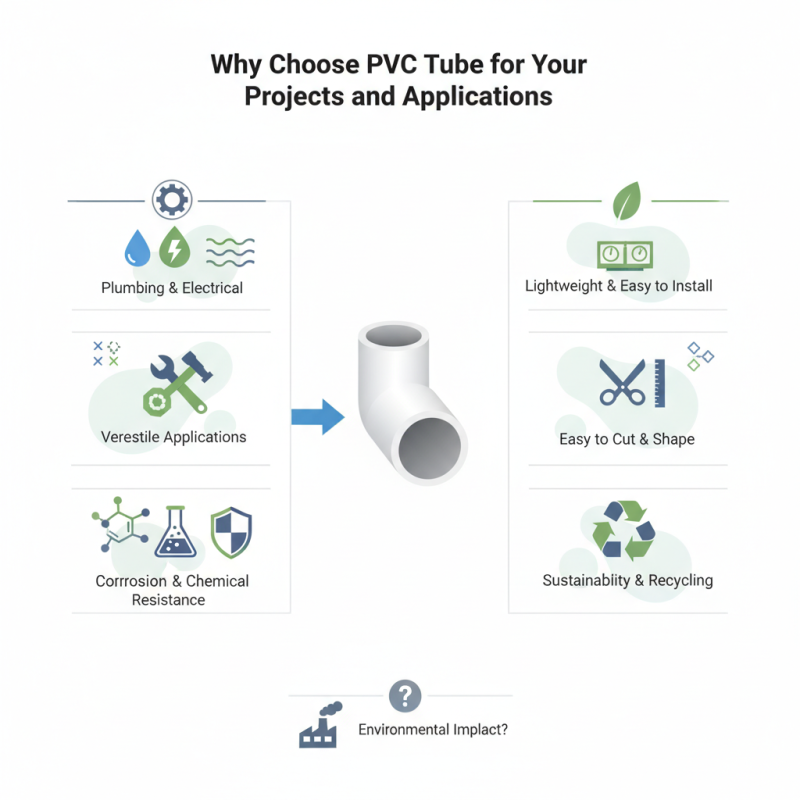
When considering materials for various projects, the PVC tube stands out for its versatility. This type of tubing offers a durable solution for many applications. Whether for plumbing, electrical work, or crafting, the benefits are clear.
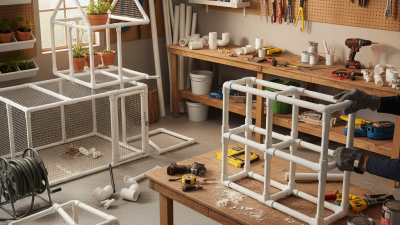
One major advantage of PVC tubes is their resistance to corrosion and chemicals. This makes them suitable for use in challenging environments. They are lightweight, which simplifies transportation and installation. Many users find that PVC tubes can be easily cut and shaped to fit specific needs.
However, some may overlook the potential environmental impact of PVC. While practical, the production and disposal of PVC might raise concerns. It's essential to consider alternatives or recycling options in certain situations. Being aware of these issues can lead to more informed choices in project planning. Ultimately, PVC tubes offer numerous benefits while also prompting reflection on sustainability.
Benefits of Using PVC Tube in Various Industries
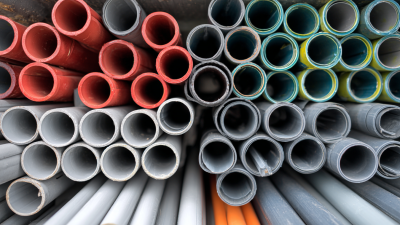
PVC tubes have become a popular choice in various industries due to their many benefits. They are lightweight yet durable, making them easy to transport and install. Their resistance to moisture and chemicals allows for long-lasting applications, especially in plumbing and industrial settings. Applications involving drainage systems, HVAC systems, and even electrical conduits benefit greatly from using PVC.
Tip: When selecting PVC tubes, consider the specific requirements of your project. Different thicknesses and dimensions may suit various needs.
The versatility of PVC tubes extends to agricultural uses as well. They are often used for irrigation systems due to their resistance to UV rays and weather. This ensures longevity, even in harsh conditions. However, manufacturers should always keep in mind the impact of harmful UV exposure during long-term usage.
Tip: Always check local regulations when installing PVC in agricultural applications. Ensuring compliance can save headaches later.
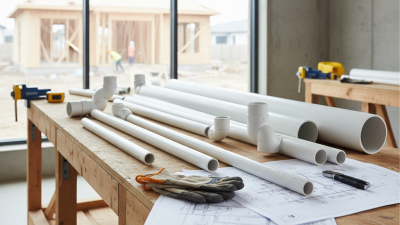
In construction, PVC tubes can help streamline projects. Due to their flexibility, they can be easily adjusted on-site. However, not all PVC tubes are created equal. Some may not meet specific structural requirements. It’s essential to assess the intended use before purchase.
Key Properties of PVC Tubing That Enhance Performance
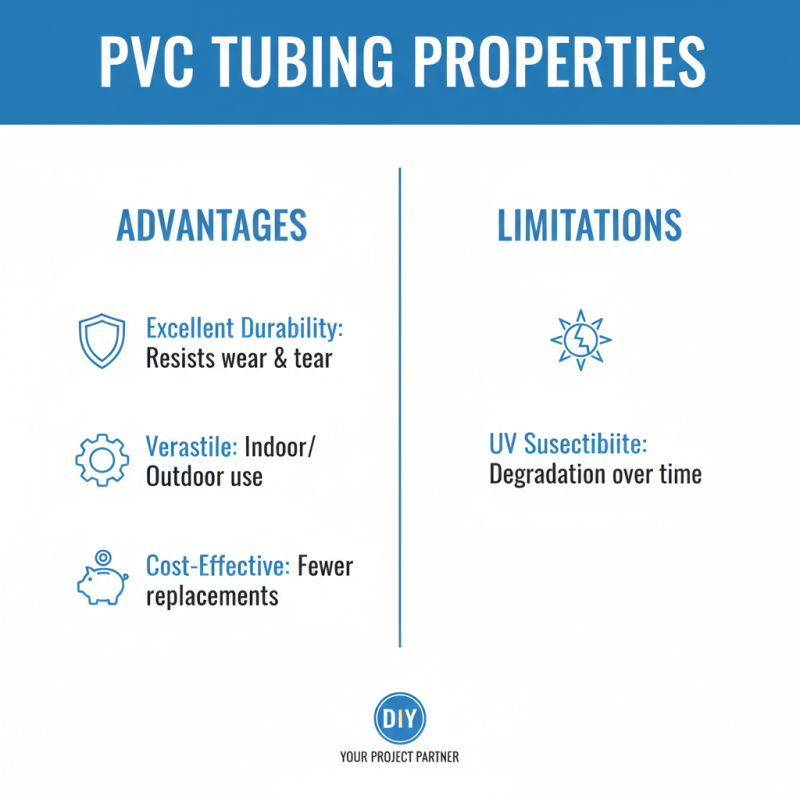
PVC tubing is a popular choice in various projects due to its unique properties. One significant feature is its excellent durability. It resists wear and tear, making it ideal for both indoor and outdoor applications. This strength means fewer replacements and repairs, which is a huge advantage for long-term projects. However, some may overlook its limitations, such as susceptibility to UV light over time.
Another key property is its chemical resistance. PVC tubing can handle a variety of substances, which allows its use in plumbing and chemical processing. Many professionals appreciate this aspect, but they should consider the specific chemicals involved. Not all chemicals are compatible with PVC. It’s crucial to research before making a choice.
The lightweight nature of PVC tubing is also noteworthy. It is easy to handle and transport. This can save time and labor, but users should be cautious. Lightweight materials can sometimes lead to structural concerns, especially under stress. Balancing these properties is essential for optimal performance. Understanding the strengths and weaknesses of PVC can lead to better project outcomes.
Cost-Effectiveness: Analyzing PVC Tube vs. Alternative Materials
When considering materials for projects, PVC tubes often emerge as a cost-effective solution. They are lighter than alternatives, making transportation easier. This reduces shipping costs significantly. In addition, they are easy to work with, cutting down on labor expenses. Many projects can complete faster due to this material's flexibility.
Comparing PVC tubes to metals or glass reveals stark contrasts. Metals can rust and corrode over time. Glass can break easily, posing safety risks. PVC tubes, however, offer durability without the hefty price tag. They withstand impact and resist weather conditions. However, it’s essential to remember PVC's environmental impact. Some argue that this aspect deserves consideration in project planning.
While PVC tubes shine in many areas, they are not without flaws. Their long-term durability may be questioned in various applications. Certain environments may not favor their use. It’s crucial to assess specific project requirements. Make informed decisions. Balancing cost and performance is vital in any project.
Market Trends: The Growing Demand for PVC Tubing Solutions
The demand for PVC tubing solutions is rising steadily. Many industries are recognizing its advantages. PVC tubing is lightweight, flexible, and resistant to chemical corrosion. This makes it ideal for various applications, from construction to healthcare. The versatility of PVC leads to innovative uses. Businesses appreciate its cost-effectiveness and durability. They find that PVC tubes offer long-lasting performance.
Recent trends show an increase in eco-friendly practices. Companies are looking for sustainable materials. PVC is recyclable, which supports green initiatives. However, the production process can be controversial. Some manufacturers struggle to keep up with environmental regulations. Ongoing improvements are necessary to address these concerns. The shift towards sustainable solutions is vital for future growth.
In addition, customization is becoming a key factor. Clients want specific dimensions and properties in their tubing. Suppliers are adapting to meet this demand. Yet, not all can provide tailored solutions efficiently. This gap can lead to dissatisfaction among customers. Continuous adaptation and learning are essential for suppliers in this evolving market.
Why Choose PVC Tube for Your Projects and Applications - Market Trends: The Growing Demand for PVC Tubing Solutions
| Application |
Market Growth (%) |
Key Features |
Advantages |
| Construction |
5.2% |
Durability, Water Resistance |
Long lifespan, Low maintenance costs |
| Automotive |
4.8% |
Flexibility, Lightweight |
Fuel efficiency, Improved handling |
| Medical |
6.5% |
Biocompatibility, Sterilizable |
Safety, Compliance with regulations |
| Agriculture |
3.9% |
Chemical Resistance, UV Stability |
Longevity, Reduced material costs |
| Telecommunications |
4.0% |
Signal Protection, Lightweight |
Enhanced performance, Cost-effective solutions |
Environmental Impact: Recycling and Sustainability of PVC Tubes
PVC tubes have gained attention for their sustainability and recyclability. These tubes are made from polyvinyl chloride, a material that can be recycled efficiently. Recycling reduces the demand for virgin materials. It also minimizes landfill waste, benefiting the environment.
However, not all PVC tubes get recycled properly. Awareness of recycling programs is essential. Many consumers may not know how to dispose of them correctly. In fact, improper disposal can lead to environmental harm. It’s important to educate people on local recycling options for PVC.
Sustainable practices can make a difference. For instance, manufacturers are exploring eco-friendly production methods. Some are utilizing renewable energy sources. Yet, there is still room for improvement. Brands must strive for better recycling rates and transparency. With collective effort, they can enhance the sustainability of PVC tubes.
Environmental Impact of PVC Tubes: Recycling and Sustainability