Best PVC Tube Suppliers for Global Buyers?
In today's dynamic market, the demand for PVC tubes continues to soar. Industry reports indicate a projected growth rate of 6% annually in the plastics segment, fueled by various applications in construction, automotive, and healthcare. PVC tubes are favored for their durability and versatility, making them a preferred choice among manufacturers. As global buyers seek reliable suppliers, it becomes crucial to navigate this expansive market carefully.
Choosing the right PVC tube supplier can significantly impact product quality and production timelines. Factors such as material specifications, compliance with international standards, and delivery reliability cannot be overlooked. However, the sheer number of suppliers makes it challenging to identify the best options. Evaluating supplier credentials and past client feedback can aid in making informed decisions.
Despite advancements in technology, issues such as inconsistent quality and supply chain disruptions persist in the industry. Being aware of these challenges allows buyers to remain vigilant and adaptable. Partnering with reputable suppliers ensures a steady flow of quality PVC tubes, ultimately driving success in various applications. As the market evolves, continuous assessment and engagement with suppliers will be key to staying competitive.
Overview of PVC Tubes and Their Applications
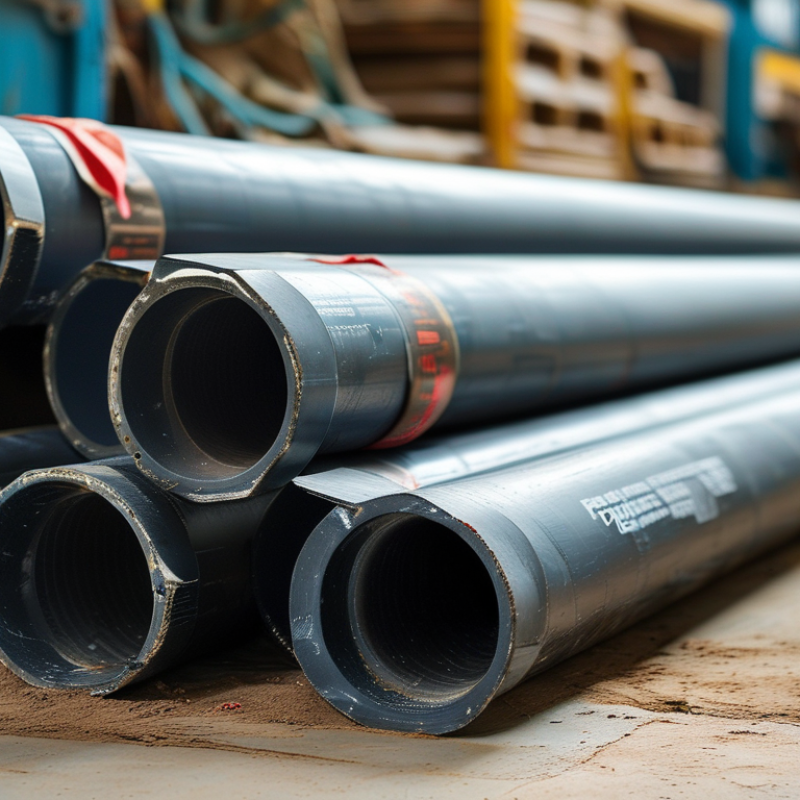
PVC tubes are integral in various industries due to their versatility and durability. They find applications in construction, automotive, and medical fields. In construction, PVC tubes are often used for plumbing and drainage systems. The flexibility of PVC allows for easy installation and durability against pressure. According to a recent market analysis, the demand for PVC products is projected to grow at a compound annual growth rate (CAGR) of 4.5% through 2026.
In the automotive industry, these tubes are essential for transporting fluids. PVC tubes can withstand high temperatures and resist corrosion. In medical applications, they are used for IV and blood bags. Their reliability and safety make them a preferred choice. A report from the Plastics Industry Association highlights that the healthcare sector is increasingly adopting PVC due to its ease of sterilization.
Tips: When selecting PVC tubes, consider thickness and flexibility based on your application needs. Ensure they meet relevant safety standards. Be aware that not all PVC tubes are created equal; discrepancies in quality can lead to failures in critical applications. Use reliable suppliers who adhere to industry standards to minimize risks.
Best PVC Tube Suppliers for Global Buyers
| Supplier Location |
Main Applications |
Tube Specifications |
Quality Certifications |
Lead Time (Days) |
| North America |
Construction, Automotive |
Diameter: 10-100 mm, Length: Custom |
ISO 9001, ASTM |
7-15 |
| Europe |
Medical, Food Processing |
Diameter: 5-50 mm, Length: 100-2000 mm |
CE, ISO 13485 |
10-20 |
| Asia |
Agriculture, Electrical |
Diameter: 20-150 mm, Length: Custom |
ISO 9001, RoHS |
5-12 |
| South America |
Telecommunications, HVAC |
Diameter: 15-80 mm, Length: 500-3000 mm |
ISO 9001 |
14-30 |
| Middle East |
Furniture, Packaging |
Diameter: 10-60 mm, Length: Custom |
ISO 9001, BPA Free |
8-18 |
Criteria for Selecting Quality PVC Tube Suppliers
When selecting PVC tube suppliers, several criteria emerge as essential for global buyers. First, evaluating product quality is crucial. Quality certifications such as ISO and ASTM standards indicate a supplier's adherence to industry norms. According to a report by Freedonia Group, the global demand for PVC pipes is expected to reach $80 billion by 2025, underscoring the importance of reliability in suppliers.
Another critical factor is the supplier’s production capacity and technology. Advanced manufacturing processes can lead to consistent product quality. A study from MarketsandMarkets highlights that the PVC market is projected to grow at a CAGR of 4.6% from 2021 to 2026. This growth means suppliers must be agile, adapting to increased demand while maintaining quality.
Logistics and customer service are equally important. Suppliers should offer efficient shipping options and responsive communication. Delays in delivery can significantly impact projects. According to industry reports, 30% of project delays stem from supply chain issues. Global buyers must reflect on these factors when choosing suppliers in a competitive market.
Top PVC Tube Suppliers in the Global Market
In the global market, PVC tubes have become an essential product across various industries. Many businesses rely on these tubes for packaging, construction, and medical applications. With so many suppliers worldwide, it’s crucial to identify those that stand out in terms of reliability and quality.
When evaluating PVC tube suppliers, buyers should consider several factors. Product quality is paramount; tubes must meet industry standards for durability and safety. Another important aspect is customer service. Suppliers should be responsive, knowledgeable, and willing to address any concerns. Furthermore, pricing may vary significantly among suppliers, making it essential to research and compare offers.
Many suppliers showcase their certifications and past projects. This information enhances credibility. However, not all suppliers will have the same level of experience. Some may lack a robust history in the market. Therefore, buyers might encounter challenges finding the right partnership. It’s also beneficial to read reviews and gather feedback from previous clients to gauge reliability. Being thorough in research can lead to more informed decisions in procurement.
Comparative Analysis of Pricing and Services Offered
When selecting PVC tube suppliers, pricing and services are critical factors. Many suppliers offer various price points, influenced by factors like material quality and production scale. Some may provide budget-friendly options, while others emphasize premium quality. Thus, buyers should compare the durability and application suitability of different products beyond just the initial price. In some cases, a lower price may indicate compromised material strength.
Service offerings also vary significantly among suppliers. Some offer bespoke manufacturing services, while others stick to standard products. This could impact delivery times and flexibility in order quantities. Reliable suppliers usually provide robust customer support, ensuring timely updates and efficient communication. For buyers, it's essential to evaluate not just the pricing but also service quality. A supplier might have attractive prices but lack the responsiveness or reliability needed for timely deliveries.
Buyers may find it challenging to identify the best combination of price and service. It requires thorough research. Engaging with existing customers can provide insights into each supplier’s overall reliability and product performance. Ultimately, weighing the factors of pricing with service reliability can lead to better purchasing decisions in the long run.
Future Trends in the PVC Tube Supply Industry
The PVC tube supply industry is evolving rapidly. Emerging trends indicate a significant shift towards sustainability. Manufacturers are exploring eco-friendly materials. They aim to produce tubes that have a lower environmental impact. This change is fueled by increasing regulations and consumer demand for greener products.
Additionally, technological advancements play a crucial role. Innovations in extrusion technology allow for better quality and durability. Suppliers are investing in smart manufacturing practices, enhancing efficiency. However, relying heavily on technology can create vulnerabilities. If not managed properly, supply chain disruptions can occur.
Market dynamics are also changing. Buyers are becoming more discerning, seeking suppliers that prioritize transparency and ethical practices. This trend encourages suppliers to adapt quickly. They must stay ahead of market demands while improving their social responsibility. Continuous adaptation is vital for success in this competitive landscape.