How to Choose the Right CPVC Pipe for Your Project?
When embarking on a plumbing or construction project, selecting the right CPVC pipe is crucial. According to the Plastics Pipe Institute, CPVC pipes can withstand temperatures up to 200°F, making them ideal for hot water systems. Their corrosion resistance significantly reduces maintenance costs over time. However, many users overlook critical factors in their selection process.
The market for CPVC pipes is projected to reach $3.5 billion by 2025, driven by demand in residential and commercial sectors. Despite this growth, not all CPVC pipes are created equal. Users often face challenges in identifying the right specifications for their unique projects. Understanding aspects like pressure rating, diameter, and compatibility with existing systems is essential.
Choosing the wrong CPVC pipe can lead to significant setbacks. This can result in leaks, costly repairs, and project delays. As industry experts emphasize the importance of proper selection, it's clear that informed choices are vital for long-term success. Taking the time to evaluate available options will lead to better project outcomes.
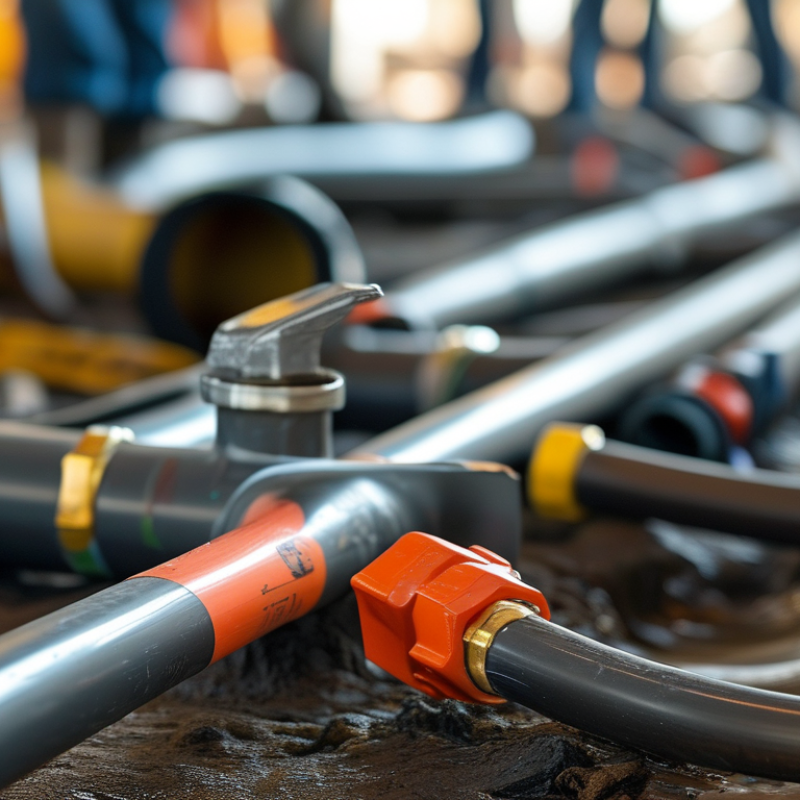
Understanding CPVC Pipe Types and Applications
When selecting CPVC pipe for your project, it’s essential to understand the varying types available. CPVC pipes are widely used in residential and commercial plumbing. They excel in handling hot water applications, thanks to their ability to withstand high temperatures without becoming brittle.
Different grades of CPVC pipes cater to distinct needs. Schedule 40 pipes are suitable for most standard applications, while Schedule 80 pipes offer thicker walls for increased pressure resistance. For industrial projects, you might need a specialized type. Each type has varied benefits, so understanding your project's specific requirements is crucial.
Consider these points. Assess the environment where the pipes will be installed. Will they face extreme temperatures or chemicals? Always check the pressure ratings to match your system’s needs. Do not overlook the importance of proper installation. Improper techniques can lead to costly repairs later. It's wise to consult with industry experts for guidance tailored to your situation; every project is unique and may require different solutions.
Assessing Pipe Size and Diameter for Project Needs
Choosing the right CPVC pipe involves understanding your project's specific needs, particularly in terms of size and diameter. Accurate pipe sizing is crucial for maintaining efficient flow rates and minimizing pressure loss. According to industry reports, using the correct diameter can enhance performance and reduce costs. For example, pipes that are too small may lead to overcrowding, while oversizing can cause unnecessary expenses.
When assessing pipe size, consider the fluid type and flow requirements. A recent study showed that for water transportation, a pipe diameter that matches the flow rate can reduce energy consumption by up to 30%. Pipes should also comply with local building codes, which can vary by region. Understanding these requirements is essential for ensuring your project meets safety standards.
It's important to remember that not all installations will require the same sizing approach. For instance, varying temperatures can affect the pipe's diameter selection. Additionally, improper sizing can lead to significant long-term issues, such as leaks or system failures. Always consult industry guidelines and experts to determine the best practices for your specific application.
Evaluating Temperature and Pressure Ratings
When selecting CPVC pipes for your project, understanding the temperature and pressure ratings is crucial. CPVC pipes are ideal for hot and cold water systems. However, not all CPVC pipes are created equal. The ASTM D2846 and ASTM D6780 standards provide guidance on the performance of these pipes under various conditions.
Most CPVC pipes can handle temperatures up to 200°F and pressures of around 400 PSI. However, as the temperature increases, the allowable pressure decreases. For example, at 180°F, the maximum pressure rating can drop to 150 PSI. This variability underscores the need for careful evaluation of your project’s specific conditions, including maximum temperature and pressure requirements.
In certain cases, miscalculations could lead to premature failure. This emphasizes the need for reliable data when selecting CPVC pipes. You should also account for potential changes in operating conditions. Environmental factors and installation settings can also influence performance. Therefore, always consult with industry guidelines and specifications before finalizing your choice.
CPVC Pipe Temperature and Pressure Ratings
This chart illustrates the maximum pressure and temperature ratings for different schedules of CPVC pipes. Schedule 40, 80, and 120 have varying capacities suited for different applications, emphasizing the importance of selecting the right pipe for your specific project requirements.
Selecting Appropriate CPVC Pipe Fittings
Selecting the right CPVC pipe fittings is essential for ensuring a successful plumbing project. When choosing fittings, consider the size and type of pipes you will use. CPVC fittings come in various shapes, including elbows, tees, and couplings. Each type serves a specific purpose and affects flow rates. It's important to select fittings that match the diameter of your main pipe to prevent leaks.
Compatibility is another crucial factor. Not all CPVC fittings work seamlessly with every CPVC pipe. Manufacturers provide specifications outlining compatible combinations. Ignoring these details could lead to damaged pipes. Take time to research proper fitting materials and jointing methods. Some may require specific adhesives; others may not.
Lastly, always verify the pressure ratings on the fittings. They determine how much pressure the fittings can handle without failure. Selecting fittings that don't meet your system's requirements can cause significant issues down the line. Assess your project's specific needs carefully. The right choices will enhance the efficiency and longevity of your plumbing system. Always strive for a balance of quality and affordability. This approach will lead to better outcomes and possibly fewer frustrations during installation.
Comparing Cost and Quality Options for CPVC Pipes
When selecting CPVC pipes for a project, it is crucial to consider both cost and quality. CPVC pipes are known for their durability and resistance to corrosion. However, the price can vary significantly depending on the manufacturer and specifications. For budget-conscious projects, it may be tempting to opt for the cheapest option. But this decision could lead to long-term issues, such as leaks or breakage. Cheaper pipes may not possess the same quality and longevity as their higher-priced counterparts.
Investing in quality CPVC pipes can lead to better performance and fewer repairs in the future. A higher quality pipe often comes with better warranties and certifications. Take the time to research the materials and production standards of the pipes you are considering. It is essential to balance cost with long-term value. Not all pipes labeled as CPVC are created equal. Quality control can vary, leading to a need for thorough examination before purchase.
Choosing the right CPVC pipe requires careful thought. Consider where the pipes will be installed and the types of fluids they will carry. Understanding your specific project needs will guide you in making a more informed choice. Skimping on quality can save money upfront but may cost more down the line. Reflecting on your project requirements can prevent costly mistakes and ensure lasting results.