How to Choose the Right PVC Pipe for Global Projects?

Choosing the right PVC pipe for a global project is rarely a simple purchasing decision. A pipe that performs well in a cool municipal network may fail under tropical heat, heavy traffic, or aggressive soil conditions. Project teams must examine pressure class, outside diameter, wall thickness, temperature limits, chemical compatibility, joining methods, and local installation practices. Standards matter too. ISO, ASTM, EN, and AWWA requirements may differ, so one certificate cannot answer every question.

Field experience reveals another reality. Shipping distance, storage exposure, ultraviolet light, and limited technical support can affect performance before installation begins. As PVC piping engineer Dr. Steven Folkman notes, “Performance begins with correct selection, not with the product label.” That principle is easy to overlook. A familiar brand is not automatically the best fit.

This guide explores how engineers can compare PVC pipe options for water supply, drainage, irrigation, and industrial service. It considers design calculations, climate conditions, pressure surges, connection reliability, and documentation. It also addresses practical details, such as protecting pipe stacks from direct sunlight and checking gasket condition after long transport.

Some choices remain imperfect. Cost, availability, and compliance may conflict. A thicker pipe can improve durability, yet increase freight weight and installation effort. The right decision requires evidence, not assumptions. Reliable suppliers should provide test reports, traceable material data, installation guidance, and responsive technical support. For international projects, careful selection is not paperwork. It is risk control.
How to Choose the Right PVC Pipe for Global Projects?

Project Requirements and PVC Pipe Application Conditions

How to Choose the Right PVC Pipe for Global Projects?

Project requirements should guide every PVC pipe decision. Start with the fluid, operating temperature, pressure, and expected service life. Drinking water, drainage, irrigation, and industrial chemicals create different performance demands. PVC performs well in many systems, but it is not suitable for every temperature or chemical exposure.

Check the installation environment carefully. Outdoor pipes may face strong sunlight, freezing cycles, soil movement, or accidental impact. Buried lines need proper bedding and backfill support. Above-ground lines may require clips, expansion planning, and UV protection. Connection methods also matter. Solvent cement joints need clean, dry surfaces and enough curing time. Rushing this step can cause hidden leaks. I would recheck the curing period when humidity, cold weather, or long-distance shipping affects the schedule. Small assumptions can become expensive failures.

Tips: Prepare a project data sheet before selecting the pipe. Record fluid properties, pressure changes, temperature ranges, pipe diameter, installation depth, and local approval requirements. Compare pressure ratings at the actual operating temperature, not only at room temperature. Confirm compatibility with gaskets, valves, fittings, and support materials. Ask an independent engineer to review unusual chemical service or high-risk applications. A field trial can reveal problems that calculations miss. Also, inspect delivered pipes for cracks, ovality, deformation, and damaged ends before installation.
PVC Pipe Types, Materials, Sizes, and Pressure Ratings

How to Choose the Right PVC Pipe for Global Projects?

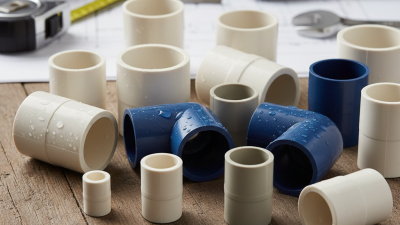
PVC pipe selection starts with material, not color or price. Standard PVC, often called uPVC, suits many cold-water and drainage systems. CPVC handles higher temperatures, making it useful for hot-water applications. PVC-O can offer improved strength and reduced wall thickness in certain pressure networks. However, material names can vary by country, so check the applicable standards and product documentation.

Size must match flow demand, velocity, installation space, and connection methods. A larger pipe can reduce friction loss, but it may increase shipping and support costs. Pressure rating also deserves careful attention. Check the working pressure at the actual operating temperature, not only the printed rating. Consider surge pressure, elevation changes, fittings, and pump starts. An overlooked pressure spike can damage an otherwise suitable line. This is where project reviews often need more humility.

Tips: Confirm the pipe’s SDR or schedule, pressure class, temperature limit, and test certificates. Compare outside diameter systems before ordering fittings. For potable water, verify approval requirements in the destination country. Use compatible solvents, gaskets, and joining procedures. Store pipes away from direct sunlight and sharp ground contact. A site team may follow the manual perfectly, yet poor alignment can still cause joint stress. Recheck the design with local engineers before installation.

International Standards, Certifications, and Compliance

How to Choose the Right PVC Pipe for Global Projects?

International projects need more than a pressure rating. They need traceable compliance. The WHO/UNICEF Joint Monitoring Programme reported that 2.2 billion people lacked safely managed drinking water in 2022. This makes material safety and long-term reliability critical. For water systems, check whether the pipe follows ISO 1452, EN 1452, or an applicable ASTM specification. PVC-O systems may require EN 17176. Standards must match the project’s region, pressure class, SDR, temperature, and installation method.

Certification is not universal. A product approved for industrial drainage may not be acceptable for potable water. Request the complete certificate, test scope, expiry date, and accredited laboratory details. For drinking-water projects, NSF/ANSI/CAN 61 or an equivalent national health standard may be required. Also verify jointing tests, impact performance, UV exposure, and fire classification. A certificate is helpful, not magic. Field conditions can still expose weak design assumptions.

Tips: Build a compliance matrix before purchasing. Record every standard and approval beside the exact pipe size. Ask for batch traceability and independent test reports. Check local authority requirements early. The UN-Water World Water Development Report 2024 highlights increasing pressure on water infrastructure, yet project teams sometimes treat compliance as paperwork. That is a costly mistake. Recheck translations, test methods, and certificate limits; small wording differences can change acceptance.

Environmental Factors Affecting PVC Pipe Performance

How to Choose the Right PVC Pipe for Global Projects?

Environmental Factors Affecting PVC Pipe Performance

PVC pipe selection should begin with the installation environment, not only the pressure rating. Sunlight gradually weakens unprotected PVC surfaces. For exposed routes, specify UV-resistant compounds, protective coatings, or shaded supports. Thermal movement also matters. PVC expands roughly 0.05 millimeters per meter for every 1°C increase.

Cold regions create different risks. Repeated freezing can stress joints, especially where water remains trapped. Deep burial, flexible joint design, and proper granular bedding reduce movement. The U.S. Environmental Protection Agency’s 2024 Climate Change Indicators report shows heavy precipitation increased by 27% in the Northeast between 1958 and 2022. That change can overload drainage systems and expose weak installation details.

Soil chemistry deserves field testing. Acidic soil, solvents, and contaminated groundwater may reduce long-term reliability. High temperatures also lower pressure capacity, so manufacturers’ derating tables should guide design. A technical review from the European Plastic Pipes and Fittings Association reports that correctly designed PVC systems can achieve service lives exceeding 100 years. That figure is not automatic. Poor storage, sharp stones, or careless jointing can shorten it dramatically. I would also question laboratory results when local weather data is missing. A technically correct specification can still fail in a wet trench.

Supplier Selection, Quality Control, and Global Logistics

How to Choose the Right PVC Pipe for Global Projects?

Supplier Selection, Quality Control, and Global Logistics

Global PVC pipe projects rarely fail because of one wrong dimension. They fail when supplier claims, test evidence, and shipping plans do not match. Choose a supplier with documented extrusion experience, stable production capacity, and clear technical communication. Ask for resin specifications, pressure ratings, batch records, and recent independent test reports. A low price can still be expensive. I have learned this the hard way.

Quality control should begin before production, not at the loading dock. Approve drawings and tolerances in writing. Then verify wall thickness, outside diameter, color, socket fit, and impact performance. For outdoor service, review UV resistance and temperature limits carefully. Request samples from actual production batches, not showroom pieces. Photographs help, but calibrated measurements provide stronger evidence. No supplier is perfect. A good one admits weak points and corrects them.

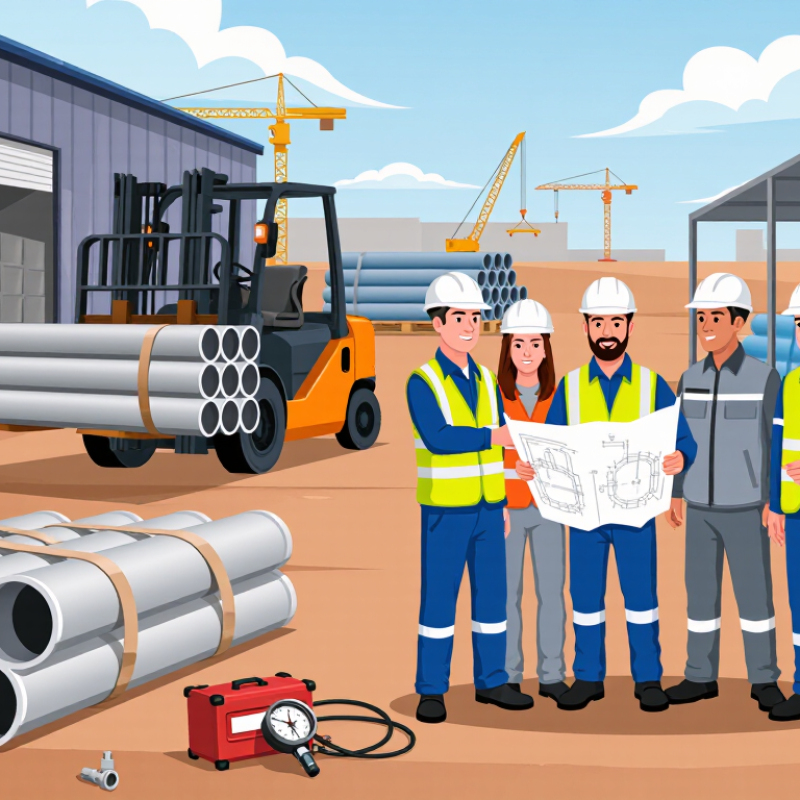
Global logistics needs engineering attention. Confirm pipe lengths against container dimensions before ordering. Use suitable bundling, edge protection, and moisture-resistant packaging to reduce deformation and handling damage. Specify marks, quantities, pallet details, and inspection checkpoints clearly. Allow time for factory inspection, port congestion, transshipment, and destination clearance. A small documentation error can hold a container for days. I once underestimated seasonal congestion; the schedule suffered. That mistake changed my planning habits. Reliable projects leave room for uncertainty, even when forecasts look convincing.

Request Quote

Sign Up